

South Carolina
Rice, rebellion, and a preserved peninsula
Charleston grew as a colonial and antebellum port where rice, indigo and later cotton wealth built churches, mansions and markets on a tight peninsula. The harbour mouth and barrier islands shaped trade routes long before Union Pier and the Passenger Terminal handled modern cruise traffic. That geography still dictates the day: working docks first, postcard streets after a short transfer inland. Guests who treat the terminal edge as the attraction miss the peninsula’s real grain.
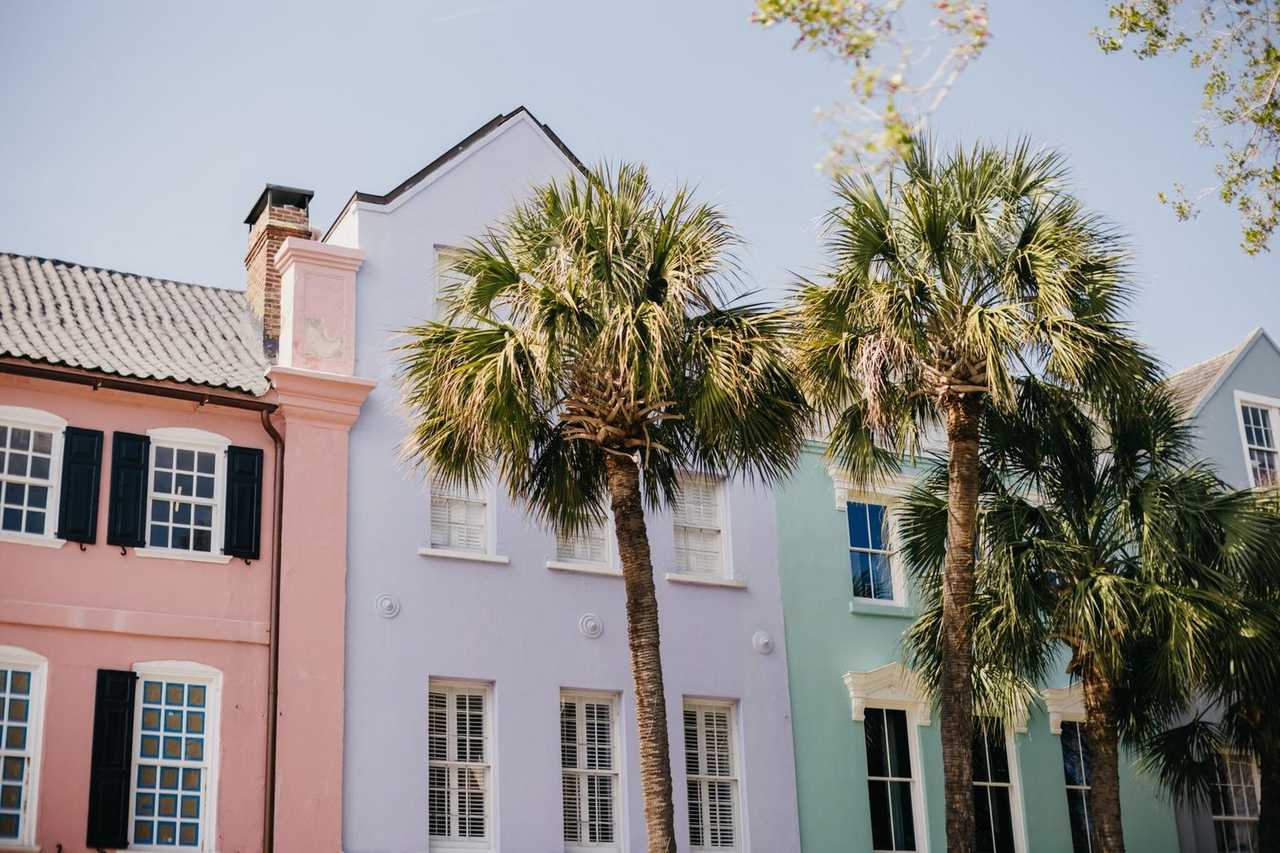
The Civil War opened here with the bombardment of Fort Sumter offshore in the harbour approaches. Reconstruction politics and twentieth-century preservation fights then left an unusually intact historic core. Wrought-iron balconies, pastel façades and narrow lanes south of Broad still repay slow walking better than a coach checklist. Market Street’s long sheds remain the easiest orientation spine after you clear the shuttle.
Modern cruise guests land at working harbour terminals and transfer into that preserved grid rather than stepping into a theme pier. The Battery, Rainbow Row and the City Market reward a tight walking radius once you are downtown. Plantations and beaches sit outside the peninsula and need their own deliberate clock. Stacking Fort Sumter, an estate and Folly Beach on a standard call is how buffers vanish.
Peninsula streets first. Fort Sumter only if the boat timing is clear.

Ashore
What to do with the time you have
- 01
Historic District grid walk
Church steeples, pastel houses and ironwork repay a slow circuit once you clear the terminal transfer. Stay roughly between Market Street and the Battery rather than inventing a wide suburban loop. Carolina afternoon heat punishes ambitious detours that look short on a hotel map.
- 02
City Market browse
The long market sheds are the easiest orientation after the shuttle drops you near the centre. Sweetgrass baskets, snacks and shade sit in one corridor when hours are short. Afternoon thunderstorms make covered Market time smarter than an exposed Battery stand.
- 03
Battery and Rainbow Row
Waterfront promenade and the famous pastel terrace make a classic south-of-Broad finale. Go earlier if you want photos without coach crowds lining every railing. Leave margin for the walk or pedicab back toward shuttle points before all-aboard pressure rises.
- 04
Fort Sumter boat only if timed
The harbour fort needs a booked boat with a fixed return you can trust against the ship clock. It is excellent history and a poor freestyle add-on when you also want Rainbow Row and lunch. Choose the fort or a full peninsula stroll — rarely both at a leisurely pace.
- 05
One plantation on a long call
Magnolia, Middleton or Boone Hall sit outside the walkable historic core and eat transfer time both ways. Choose a single estate with ship-timed transport rather than shopping three brochures at the pier. Treat the peninsula walk as either morning or late afternoon — not both fully stacked.
- 06
King Street window stretch
A few blocks of King Street give galleries and cafés without leaving the peninsula’s useful radius. Useful filler between Market and Battery when you want shade and a sit-down pause. Not a substitute for the waterfront if harbour views are why you came ashore.
- 07
Skip Folly Beach stack
Folly Beach is a separate taxi mission with parking reality and tide timing of its own. On a standard call, peninsula walking beats sand-plus-historic-plus-fort in one rushed afternoon. Cut the shuttle buffer thin once and you will remember Charleston for the wrong reason.
Keep these
What's worth doing
St Michael’s and St Philip’s steeples
Landmark churches that orient the historic skyline.
Waterfront Park pineapple fountain
Easy harbour-edge pause near the peninsula tip.
French Quarter lanes
Narrow streets and galleries between Market and the harbour.
Patriots Point option
Across the harbour — only with spare hours and a clear return.
Before you sail
Terminal hop, heat, peninsula radius
- Confirm whether you are at Union Pier or the Passenger Terminal and where shuttles drop. The Historic District is close, but the last industrial blocks are not the postcard view. Note the return point before you wander south of Broad with a dying phone battery.
- Summer humidity is serious along the Lowcountry waterfront and inland lanes alike. Carry water, favour morning walking, and expect afternoon storms that clear as quickly as they arrive. Covered Market time beats heroics on the open Battery when thunderheads build.
- One peninsula circuit plus either Fort Sumter or one plantation is enough for a day call. Folly Beach plus two estates on the same clock is how all-aboard buffers disappear. Pick a radius and keep it.