
Southern Kyushu
Satsuma city under a smoking peak
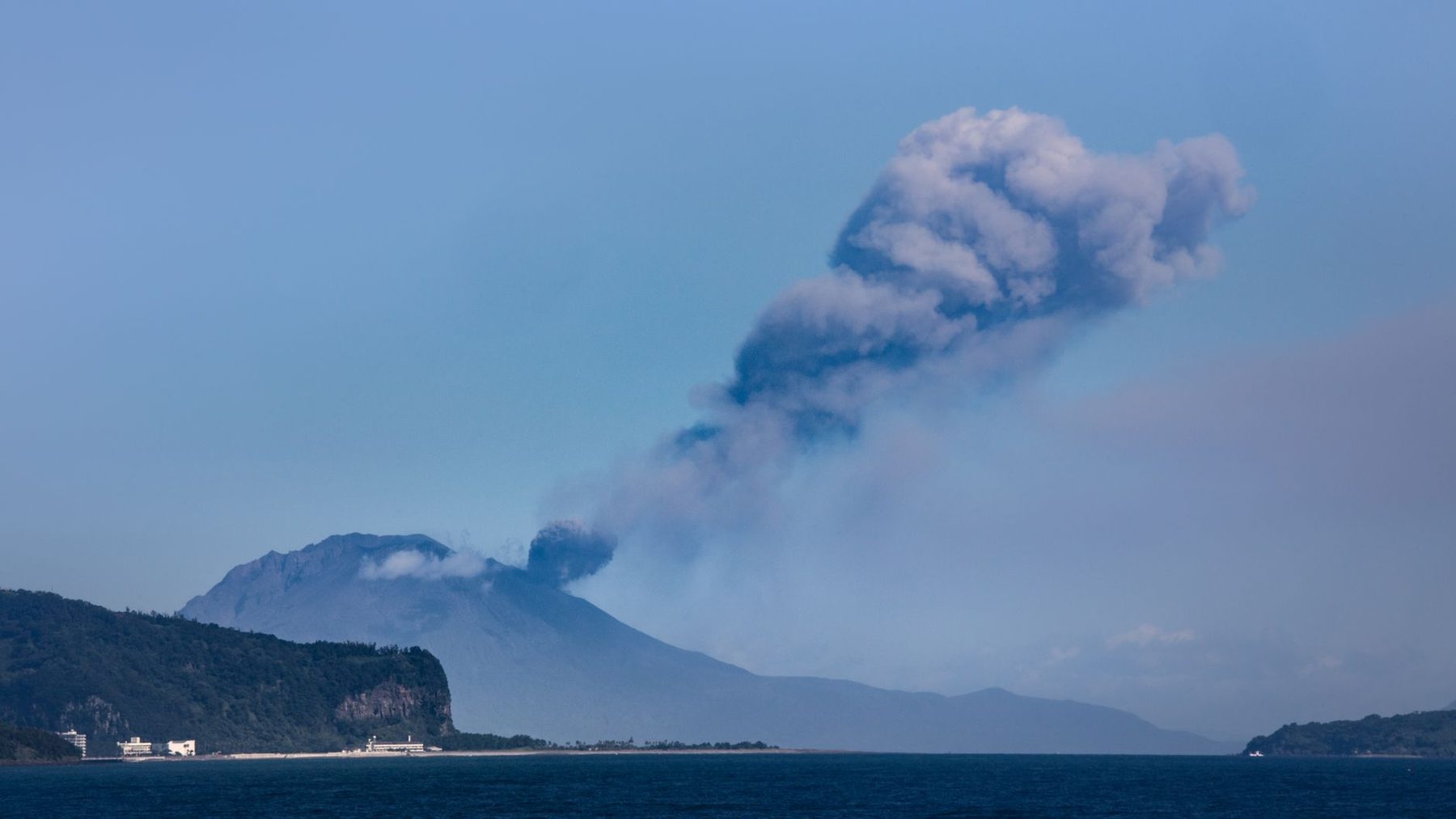
Kagoshima grew as the castle town of the Shimazu domain on Kyushu’s southern tip. Kinko Bay and the volcano shaped trade, ash and the city’s skyline long before cruise berths. Kagoshima faces active Sakurajima across the bay, a volcano that still drops ash on the city and defines the skyline from gardens, ferries and hillside observatories. That history still shapes what a cruise day can honestly hold.
Sengan-en and the Shoko Shuseikan industrial remains mark the Meiji-era modernisation that began here. The gardens still frame Sakurajima across the water. Sengan-en’s landscaped grounds use the volcano as borrowed scenery, while Tenmonkan’s covered streets offer a flat urban alternative when eruptions or rain close outdoor plans. Kagoshima faces active Sakurajima across the bay, a volcano that still drops ash on the city and defines the skyline from gardens, ferries and hillside observatories.
Cruise guests land on the mainland harbour. The island volcano is a short ferry hop; city streets and Tenmonkan sit inland of the waterfront. Cruise sense means staying on one side of the bay story: ferry to the island loop, or garden-and-city, not a frantic double crossing that ignores tram and sailaway timing. Kagoshima faces active Sakurajima across the bay, a volcano that still drops ash on the city and defines the skyline from gardens, ferries and hillside observatories.
Ferry to Sakurajima or city gardens with a view. One volcano plan is enough.

Ashore
Ferry, garden, or city streets
- 01
Sakurajima ferry and Island View loop
Fifteen minutes across the bay, then the loop bus for Yunohira Observatory and the Nagisa lava trail and footbath. Watch ash forecasts and leave a firm buffer for the return ferry and Marine Port shuttle. Ferry to Sakurajima and the Island View bus loop are the active-volcano chapter when ash and schedules allow.
- 02
Sengan-en garden
Mainland alternative: landscaped grounds with the classic framed view of Sakurajima. Pairs with a short Shiroyama or City View stop if hours remain. Sengan-en delivers borrowed scenery and landscaped calm without boarding the ferry.
- 03
Tenmonkan covered streets
Arcades and lunch when rain or heat push you indoors. Useful after the ferry, not as a substitute for the volcano if that was the point of the call. Tenmonkan covered streets are the rain and shopping Plan B in the city centre.
- 04
Stay on one side of the bay
Volcano morning plus a rushed garden visit often feels thin. Choose Sakurajima or the mainland viewpoint district and do it properly. Do not hop island and garden as equal priorities on a medium call — pick a side of the bay.
- 05
Climb toward Yunohira Observatory on the island
Higher viewpoints on Sakurajima reward clear air and sure footing. Treat them as part of the island plan, not an extra after Sengan-en. Turn back if ashfall or wind makes the path foolish. Leave a clear margin for the walk or transfer back to the ship.
- 06
Soak briefly in a footbath if you find one near the ferry
Volcanic hot-water footbaths are local texture when queues are short. Keep it as a five-minute pause, not a spa afternoon. Rinse and move so the return ferry still fits. Leave a clear margin for the walk or transfer back to the ship.
- 07
Eat kurobuta pork in the city if staying onshore
A focused Kagoshima lunch anchors a garden-and-Tenmonkan day. Skip marathon shopping afterward if Marine Port transfers still loom. Food stops need the same clock honesty as ferries. Leave a clear margin for the walk or transfer back to the ship.
Keep these
What's worth doing
Sakurajima
Active volcano island — ferry and loop bus.
Sengan-en
Shimazu garden with the bay-and-volcano view.
Yunohira Observatory
Highest public viewpoint on the Sakurajima loop.
Tenmonkan
Covered shopping streets for a city buffer hour.
Before you sail
Which berth, ferry clock
- Marine Port is further from the ferry than Kitafuto (North Pier). Factor shuttle or tram time before counting Sakurajima hours. Confirm Marine Port versus closer piers — tram and taxi needs change with the day’s berth.
- The municipal ferry runs often; the Island View bus is the practical way around the island without a hire car. Ashfall can irritate eyes and lungs; masks and willingness to switch to indoor streets are sensible.
- Ash can fall on clear days. Check local alerts and keep luggage and cameras covered if the plume shifts. Ferry tickets and return frequency matter; missing the sensible crossing is how island days go wrong.
Who calls
Ships that stop at Kagoshima
Tap a ship to compare UK cruise-only prices for that vessel in the months it calls here.
2026
- Azamara PursuitAzamaraAugust–October 2026
- Celebrity MillenniumCelebrity CruisesAugust–October 2026
- Costa SerenaCosta CruisesOctober 2026
- WesterdamHolland America LineOctober 2026
- Norwegian JadeNorwegian Cruise LineNovember 2026
- Diamond PrincessPrincess CruisesSeptember–November 2026
- Sapphire PrincessPrincess CruisesDecember 2026
- Seven Seas ExplorerRegent Seven Seas CruisesOctober 2026
2027
- Azamara PursuitAzamaraApril–September 2027
- Celebrity MillenniumCelebrity CruisesMarch–September 2027
- Explora IIIExplora JourneysSeptember 2027
- Europa 2Hapag-Lloyd CruisesMay 2027
- WesterdamHolland America LineFebruary 2027
- MSC BellissimaMSC CruisesMarch–December 2027
- Norwegian JadeNorwegian Cruise LineFebruary–April 2027
- Oceania AureliaOceania CruisesFebruary–April 2027
2028
- Azamara PursuitAzamaraMay–September 2028
- Celebrity MillenniumCelebrity CruisesFebruary–April 2028
- Celebrity SolsticeCelebrity CruisesMarch 2028
- Queen ElizabethCunardJanuary–March 2028
- Explora IIIExplora JourneysJanuary–April 2028
- EuropaHapag-Lloyd CruisesMarch 2028
- NoordamHolland America LineFebruary 2028
- MSC BellissimaMSC CruisesApril 2028