
Sanriku
A ria harbour remade beside the Pacific
Miyako sits on the deeply indented Sanriku coast of Iwate Prefecture, a ria shoreline of steep green headlands and working fishing harbours long exposed to Pacific swell and tsunami risk. Jōdodoe — the Pure Land cove — became a scenic emblem for pine islets in cobalt water that looks tropical until the latitude reminds you otherwise. Cruise guests transfer to that viewpoint rather than stroll from the gangway.
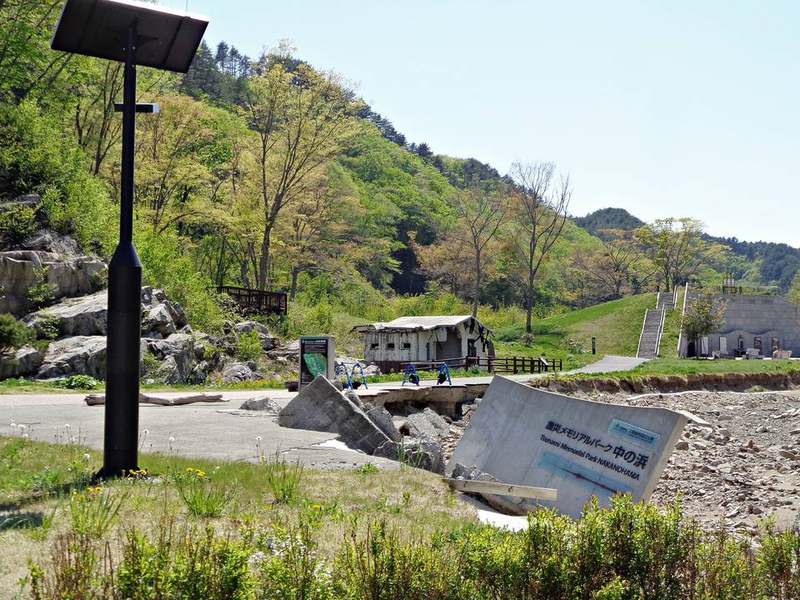
Reconstruction, seawalls, memorial parks and museums now sit beside returning daily life and fisheries. Guests who only chase the blue cove miss the quieter dignity of remembrance sites and rebuilt streets. Sanriku GeoPark thinking frames cliffs, wave-cut geology and human adaptation as one story. Beauty and honesty belong in the same morning. Keep an eye on all-aboard before you invent a second outing.
Cruise days succeed with Jōdodoe as the scenic core plus either a memorial hour or a second coastal viewpoint — not a fantasy stack of every Sanriku icon north and south. They fail when guests treat tsunami history as optional fine print. Stay with one cove plus one meaningful stop, then return with margin. Keep an eye on all-aboard before you invent a second outing.
Jōdodoe first. One more Sanriku stop if the clock forgives.
Ashore
Blue cove plus one honest second stop
- 01
Jōdodoe cove viewpoints
Transfer to the iconic blue inlet for pine-clad rocks and boardwalk viewpoints that define Miyako postcards. Go earlier for softer light and fewer coach bunches. This is the scenic core of the call. Confirm last returns before you add anything else.
- 02
Short cliff or coastal path section
Walk an allowed stretch of Sanriku trail or park path for wider Pacific drama beyond the main photo rail. Wear grip shoes; cliffs are not casual flip-flop country. Keep the section short enough that the memorial hour still fits if you want it.
- 03
Tsunami memorial or museum hour
Visit a memorial park or interpretation site for 2011 context with respectful quiet. Essential balance to scenic photos. Ask locally which site best fits your transfer time. Do not rush past remembrance to collect another lookout.
- 04
Harbour and fish-market flavour
A working waterfront loop shows Miyako as a living port, not only a viewpoint coach stop. Seafood lunch can anchor the middle of the day. Exit toward transport with time in hand. Harbour life ages better than a third cape photo.
- 05
Sushi or donburi sit-down
One focused seafood meal beats racing three souvenir stops. Sit, pay, move. Northern Honshu fish is part of the reason ships call this coast. Keep this as your pause, not a prelude to another distant lookout.
- 06
Secondary cape lookout if timed
Another headland can widen the geology story after Jōdodoe when coaches run. Do not collect lookouts until the memorial hour vanishes. One extra viewpoint is plenty. Coast-road greed is how guests see tunnels instead of water.
- 07
Skip whole-Sanriku icon stacking
Every famous cove north and south will not share one Miyako gangway. Stay with Jōdodoe plus memorial or one cliff. The ship clock does not stretch for a greatest-hits ria tour. Depth at two stops beats a blur of five.
On the map
What's worth doing
Jōdodoe
Signature blue cove — pine islets and boardwalks.
Sanriku cliff paths
Short allowed coastal section with grip shoes.
Tsunami memorial / museum
Quiet context beside the scenic photos.
Miyako harbour
Working port flavour and seafood pause.
Before you sail
Transfers, cliffs and respectful timing
- Jōdodoe is rarely a casual pier stroll — budget shuttle or taxi time, and confirm last returns before you add a second cape. Parking lots and coach bunches still take minutes.
- Cliff paths can be windy and slippery after rain; wear closed shoes, stay behind rails where posted, and treat memorial sites with the same care you give viewpoints.
- Build a day that balances beauty and remembrance. Scenic-only stacking without context misses Miyako; memorial-only without Jōdodoe misses why ships call this coast.
Who calls
Ships that stop at Miyako
Tap a ship to compare UK cruise-only prices for that vessel in the months it calls here.
2026
2027
- Azamara PursuitAzamaraMay–August 2027
- Azamara QuestAzamaraFebruary–April 2027
- NoordamHolland America LineSeptember–October 2027
- Oceania RivieraOceania CruisesApril 2027
- Coral PrincessPrincess CruisesJanuary–April 2027
- Diamond PrincessPrincess CruisesMarch–November 2027
- Sapphire PrincessPrincess CruisesApril–August 2027
- Seven Seas ExplorerRegent Seven Seas CruisesMay–October 2027
2028