

Nova Scotia south shore
A Loyalist port that kept its wooden waterfront
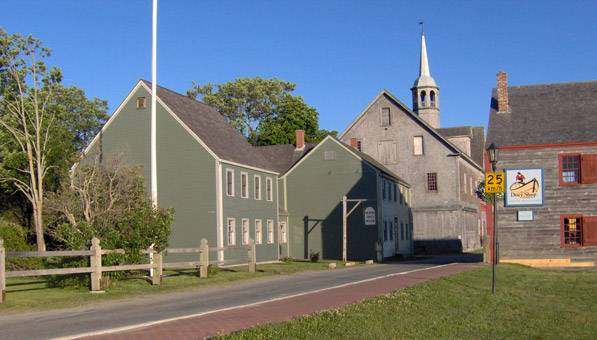
Shelburne grew rapidly in the 1780s when United Empire Loyalists fled the American Revolution and briefly made the harbour one of British North America’s larger towns before many moved on and the settlement settled into quieter shipbuilding and fishing rhythms. Surviving streetscapes and waterfront warehouses still read as Loyalist-era planning beside later Maritime industry. The town’s scale today is museum-friendly and walkable — a contrast to Halifax’s larger urban cruise product farther up the coast.
The Dory Shop and related boatbuilding heritage explain how small craft supported fishing economies long after the Loyalist boom faded. Black Loyalist history in the wider region adds depth beyond white settler narratives, visible in interpretation when museums and community sites are open. Film crews have used Shelburne’s intact street looks; cruise guests meet the same wooden honesty without needing a movie map.
Cruise days succeed with waterfront museums, a harbour stroll, and maybe a short coastal path. They fray when guests demand Lunenburg’s UNESCO waterfront, Peggy’s Cove lighthouse queues, and Halifax citadel all before a mid-afternoon all-aboard. Shelburne rewards south-shore town depth — Loyalist streets and dory craft — not a Nova Scotia checklist from one tender.
Loyalist streets and dory lore. One coast walk, not every south-shore icon.
Ashore
Waterfront, dories, museums, or coast path
- 01
Historic waterfront street loop
Walk Dock Street and harbour edges for wooden façades, working boats, and Loyalist-town scale without a coach. Layers help against Atlantic breeze. This is Shelburne’s essential hour and the plan that survives museum closures.
- 02
Dory Shop Museum visit
Watch or learn how Shelburne dories were built — a focused craft story that defines the town beyond pretty streets. Give it real time. Distinctive stop you will not get identically in larger Nova Scotia ports.
- 03
Shelburne County Museum cluster
A second museum hour covers Loyalist artefacts and regional history under roofs when fog sits on the harbour. Pair with the dory shop rather than racing. Soft rainy-day backbone of the call. Keep valuables minimal, watch the ship’s recall time, and prefer one finished circuit over a half-seen stack of stops that only looked close on the map.
- 04
Black Loyalist heritage stop if open
Seek interpreted sites or exhibits that widen the Loyalist story beyond the waterfront postcard. Follow local guidance. Depth here beats another gift-shop lane when you care about fuller Maritime history.
- 05
Short coastal path or beach edge
Choose one nearby shore walk for Atlantic air after museums. Write returns before you wander far. Nature footnote that still keeps Shelburne as the centre, not a highway to Peggy’s Cove. Keep valuables minimal, watch the ship’s recall time, and prefer one finished circuit over a half-seen stack of stops that only looked close on the map.
- 06
Café pause on the historic grid
Sit once for Maritime café warmth, then resume walking with margin. Useful reset between museum buildings. Do not let lunch erase the dory hour you came ashore to see. Keep valuables minimal, watch the ship’s recall time, and prefer one finished circuit over a half-seen stack of stops that only looked close on the map.
- 07
Skip Lunenburg-plus-Peggy’s
UNESCO Lunenburg and Peggy’s Cove queues will not share a Shelburne call calmly with town museums. Stay local-plus-one coast walk. Brochure stacking is how guests see Highway 103 instead of dory benches.
Keep these
What's worth doing
Shelburne waterfront
Loyalist-era harbour streets.
Dory Shop Museum
Boatbuilding craft signature.
County museums
Regional Loyalist and Maritime story.
Coast path / shore
Atlantic air — short local walk.
Before you sail
Tenders, fog and south-shore distances
- Confirm tender schedules and museum opening hours before you leave the quay — small-town desks may open later than cruise guests from larger ports expect, and fog can slow small-boat operations.
- Atlantic breeze cuts through light clothing even in summer; bring a windproof layer, comfortable walking shoes for wooden docks, and a dry bag for phones on open harbour edges.
- Lunenburg, Peggy’s Cove, and Halifax are separate day products. Treat them as alternatives requiring serious road time, not free extras after a full Shelburne museum morning — protect all-aboard with honest buffers.
Who calls
Ships that stop at Shelburne NS
Tap a ship to compare UK cruise-only prices for that vessel in the months it calls here.