
Kumano Kodo
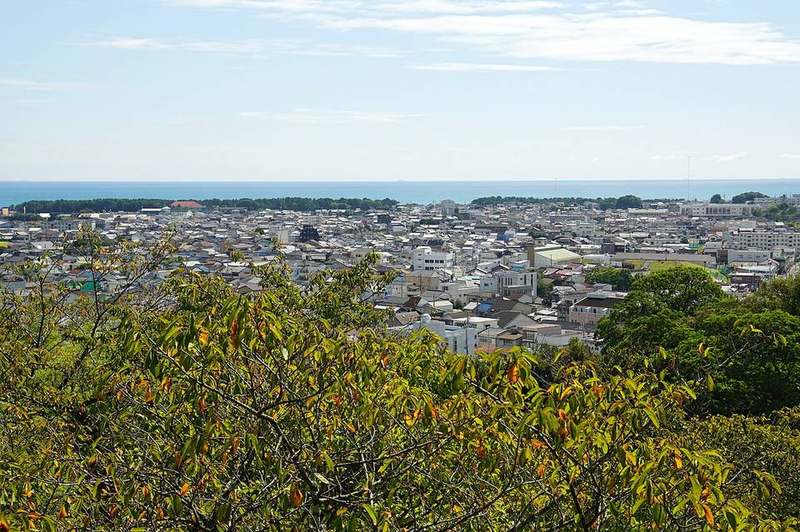
River-mouth city on Japan’s sacred southern route
Shingū developed where the Kumano River meets the Pacific in the ancient province of Kii, now Wakayama Prefecture — long a logistical and spiritual threshold for pilgrims walking the Kumano Kodo routes. Kumano Hayatama Taisha, one of the three grand Kumano shrines, anchors the city’s sacred identity with ancient trees and ritual precincts. This is Shinto landscape religion expressed in forest, river, and repeated footsteps, not a theme-park shrine row for casual checklists.
Imperial and aristocratic pilgrimages in medieval Japan made the Kumano region a power centre of faith; boat and road approaches through Shingū supported that traffic for centuries of seasonal movement. Castle remnants and modern civic streets sit lightly beside the shrine’s gravity near the river mouth. Nearby Nachi Falls and Kumano Nachi Taisha, and inland Hongu’s grand shrine and Oyunohara sandbank, complete the Sanzan triangle that serious visitors still chase with early starts.
Cruise guests should treat Shingū as a respectful shrine-and-river day, adding Nachi or Hongu only when tours guarantee timing back to the gangway. Rushing every sacred waterfall photo plus onsen shopping will miss the quieter point of Kumano. Quiet precinct manners, photography rules, and one deep spiritual stop beat a hurried tick of the entire peninsula map before sailing.
Hayatama Taisha first. Nachi Falls only with locked tour time.
Ashore
Taisha, falls, river, or quiet
- 01
Kumano Hayatama Taisha visit
Give the grand shrine a proper, unhurried circuit — approach path, trees, halls, and ritual etiquette observed with care. Follow purification and photography guidance posted on site. This is Shingū’s main sacred stop and fits closer to town than Nachi’s longer transfer inland.
- 02
Kamikura Shrine steps if fit
The steep climb to Kamikura and Gotobiki-iwa rock shrine rewards strong legs with city and river views above Shingū. Not for every mobility level; turn back without pride if knees object. Choose this as a local height add-on after Hayatama, not before you have paid respects below.
- 03
Nachi Falls and Nachi Taisha tour
Japan’s celebrated sacred waterfall and associated shrine form the major either/or excursion when coaches lock returns to the ship. Wear shoes for damp paths and expect crowds at peak hours. Pick Nachi instead of a leisurely multi-shrine town morning, not stacked on Hongu the same short call.
- 04
Kumano River mouth and town stroll
A gentler walk near river and harbour edges shows why Shingū exists as a gateway city between mountains and Pacific. Useful when tours are full or weather closes hills. Pair with coffee and shrine time rather than treating the waterfront as empty filler between coaches.
- 05
Local museum or heritage stop if open
Small civic or pilgrimage interpretation rooms deepen Kumano context when doors are open on your call day. Keep visits proportional to hours posted. Skip disappointment by making Hayatama your guaranteed core plan before any optional museum.
- 06
Simple lunch before any long return
Wakayama comfort food and tea beat skipping meals before a Nachi coach winds through hills. Sit, eat, and recheck the meeting point in writing. Rural Japan runs on punctuality — your tour will not wait for a leisurely second dessert near the pier.
- 07
One shrine outing, not the full Sanzan circuit
Hayatama, Nachi, Hongu and a hot-spring soak will not share one sailing window from Shingū. Choose shrine-in-town depth or one sacred outing inland. Pilgrimage respect includes not sprinting holy ground for photo counts before sailing. Protect all-aboard and leave the full circuit for a land trip.
Keep these
What's worth doing
Hayatama Taisha
Kumano grand shrine in Shingū.
Kamikura steps
Steep rock shrine above town.
Nachi Falls
Sacred waterfall — timed tour.
Kumano River mouth
Gateway waterfront and town grain.
Before you sail
Shrine etiquette and tour clocks
- Observe shrine manners — quiet voices, purification customs, shoes and photo rules as posted — and dress for respectful shrine visits even on humid Pacific days when casual resort wear feels tempting from the ship.
- Nachi and Hongu need organised transport with hard return times; do not add casual taxi plans across rural Kumano without a locked recall, especially when multiple ships thicken coach ranks at once.
- Make Hayatama Taisha your primary story, then add at most one major outing. Full peninsula pilgrimage circuits belong to overnight land trips, not a single Shingū cruise call from the river mouth.
Who calls
Ships that stop at Shingu
Tap a ship to compare UK cruise-only prices for that vessel in the months it calls here.