
Ise-Shima
Pearl coast that taught the world cultured gems
Toba occupies a jagged stretch of Mie coastline where sheltered inlets favoured pearl oysters, fishing, and later tourism within the wider Ise-Shima cultural landscape. For centuries ama — women free divers — harvested seafood and pearls along these shores, a living practice that still appears in demonstrations and local identity. The geography is intimate: islands, bridges, and ferries rather than a single grand boulevard.
Kokichi Mikimoto's pioneering work on cultured pearls in the late nineteenth and early twentieth centuries turned Toba into a global name; Mikimoto Pearl Island remains the interpretive heart of that story with museums and ama demonstrations for visitors. Shinto pilgrimage routes toward Ise Grand Shrine run inland, linking coastal craft to one of Japan's most sacred shrine complexes. Industry and reverence share the same prefecture without canceling each other.
Cruise guests inherit a compact, high-quality call if they stay with pearls, aquarium, and bay walks — or a deeper spiritual day if they commit transport time to Ise. Trying to perfect both plus every seafood grill on the waterfront is how precise Japanese schedules punish optimism. Bow, queue, leave margin, and let Ise-Shima reward focus rather than haste on this Mie coast.
Pearl Island first. Ise Grand Shrine only as a chosen alternate.
Ashore
Pearls, aquarium, shrine, or focus
- 01
Mikimoto Pearl Island circuit
Cross to the island for pearl history, museum displays, and scheduled ama diving demonstrations when running. This is Toba's signature stop and fits a measured half-day from typical berths. Follow photography rules and arrive early for demonstration seats rather than assuming walk-up perfection.
- 02
Toba Aquarium if time and interest align
One of Japan's notable aquariums sits in the harbour area and pairs naturally with Pearl Island for a full local day. Excellent for families and rainy spells. Do not add a rushed Ise shrine attempt afterward unless your ship hours are unusually long and trains are already booked.
- 03
Ise Grand Shrine either/or
Japan's supreme Shinto shrine complex deserves silence, modest dress, and a dedicated transfer. Choose Ise instead of a deep aquarium-plus-island double when spirituality is your priority. Purchase omamori thoughtfully and keep voices low along the approach paths of gravel and cedar.
- 04
Waterfront and bridge views
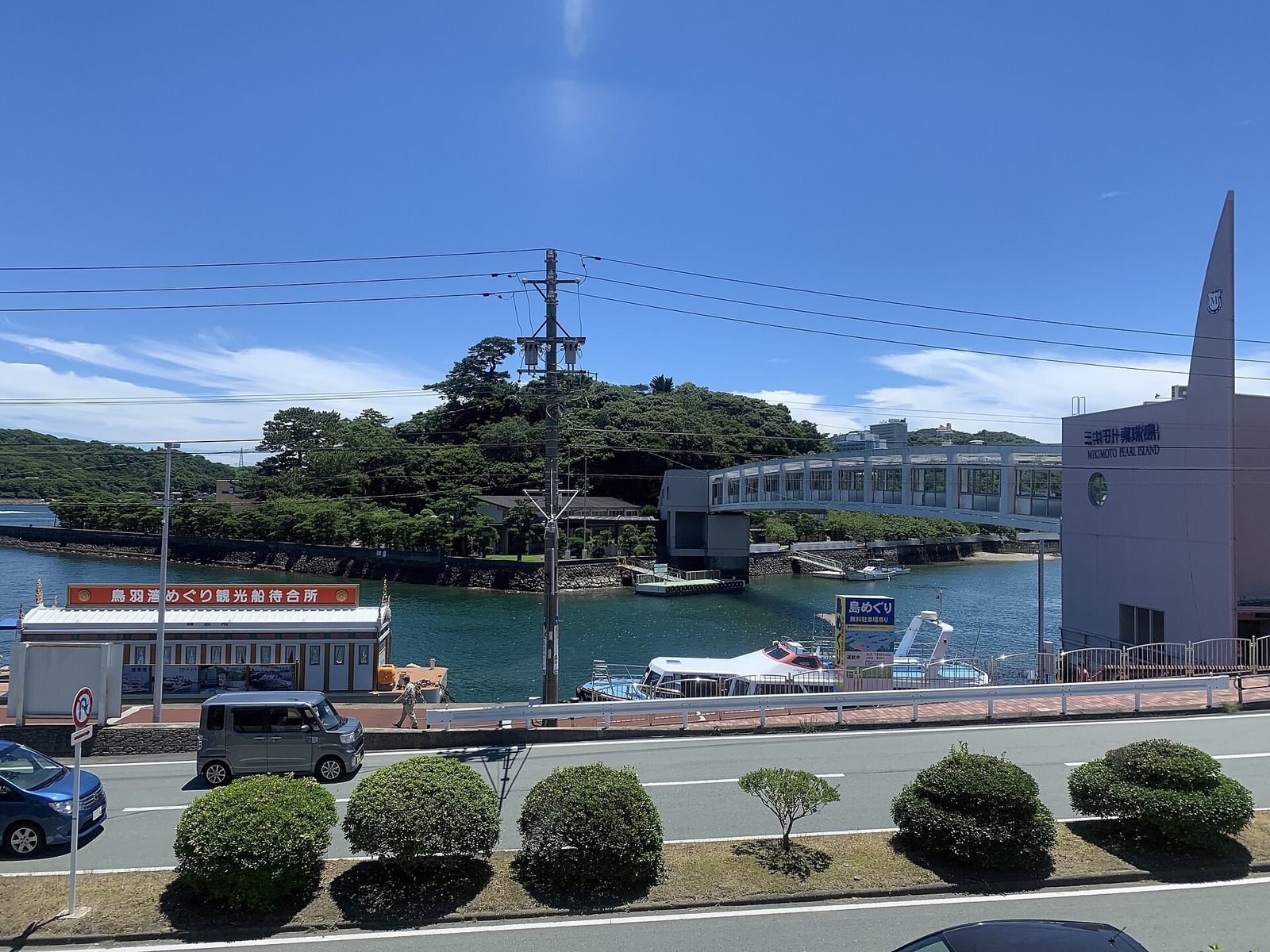
Walk Toba's harbour edges for ria scenery, oyster rafts in the distance, and a sense of working pearl waters. Level and photogenic when legs need a break from indoor queues. Stay clear of operational boat areas and mind bicycle traffic on shared paths.
- 05
Seafood lunch with oyster focus
Mie seafood — especially oysters in season — anchors the culinary day better than snacking between ticket lines. Seek a restaurant that can seat and serve within your buffer. Soft-shell claims and raw bars vary; choose what your stomach trusts before a ship evening.
- 06
Ama culture interpretive stop
Demonstrations and small exhibits explain free-diving heritage beyond the postcard image. Listen more than you film; these are skilled workers, not props. Pair with Pearl Island timing so you are not sprinting between docks.
- 07
Refuse pearl-plus-Ise-plus-everything
Island museums, full aquarium, and Ise's outer and inner shrine walks will not share one polite Japanese timetable with a leisurely lunch. Pick coastal pearl day or shrine pilgrimage day. Punctual ships do not wait for souvenir decisions at the last shrine gate.
Keep these
What's worth doing
Mikimoto Pearl Island
Cultured pearl museum and ama demonstrations.
Toba Aquarium
Harbour aquarium for a full local day.
Ise Grand Shrine
Supreme Shinto complex — either/or inland.
Toba waterfront
Ria bay walks and working pearl waters.
Before you sail
Queues, trains, and polite timing
- Pearl Island and the aquarium cluster near the harbour for a walkable Toba day; Ise Grand Shrine is a separate rail or coach commitment that needs tickets and a return buffer measured against Japan's exact boarding culture.
- Expect orderly queues, limited English at smaller counters, and summer heat on outdoor shrine paths — carry cash and a card, follow line etiquette, and wear shoes you can remove quickly at temple and shrine thresholds.
- Choose pearl-coast depth or Ise pilgrimage focus before you leave the ship. Stacking demonstrations, aquarium halls, and both shrine precincts is the classic Mie timing error on a single call.
Who calls
Ships that stop at Toba
Tap a ship to compare UK cruise-only prices for that vessel in the months it calls here.
2027
2028