
Kantō
Capital rebuilt, harbour shifted south
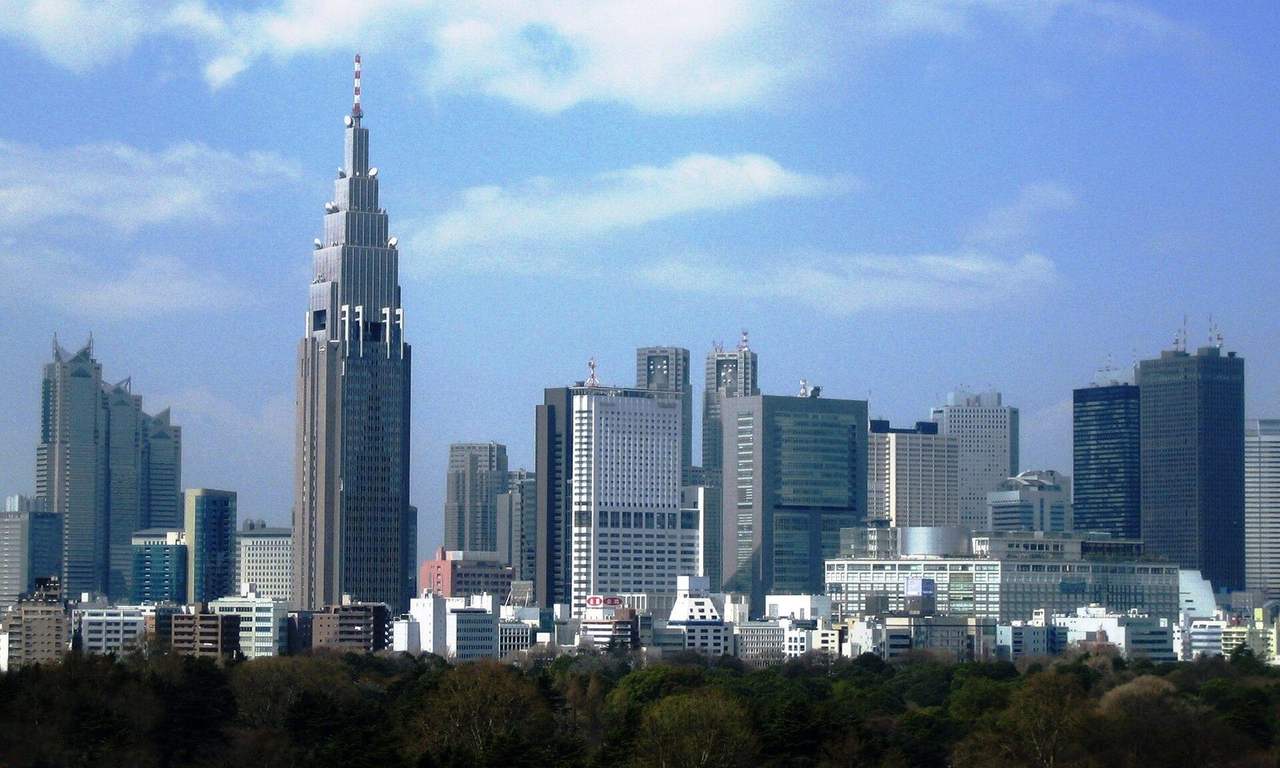
Tokyo is the political and commercial centre of Japan, rebuilt repeatedly after earthquake, war and peacetime growth. The dense core around the Imperial Palace, Asakusa and the Yamanote loop is what most visitors mean by the city. Tokyo’s political and commercial core around the Imperial Palace, Asakusa and the Yamanote loop is what most visitors mean by the city, rebuilt repeatedly after earthquake, war and peacetime growth into the dense skyline that frames harbour approaches on clear days.
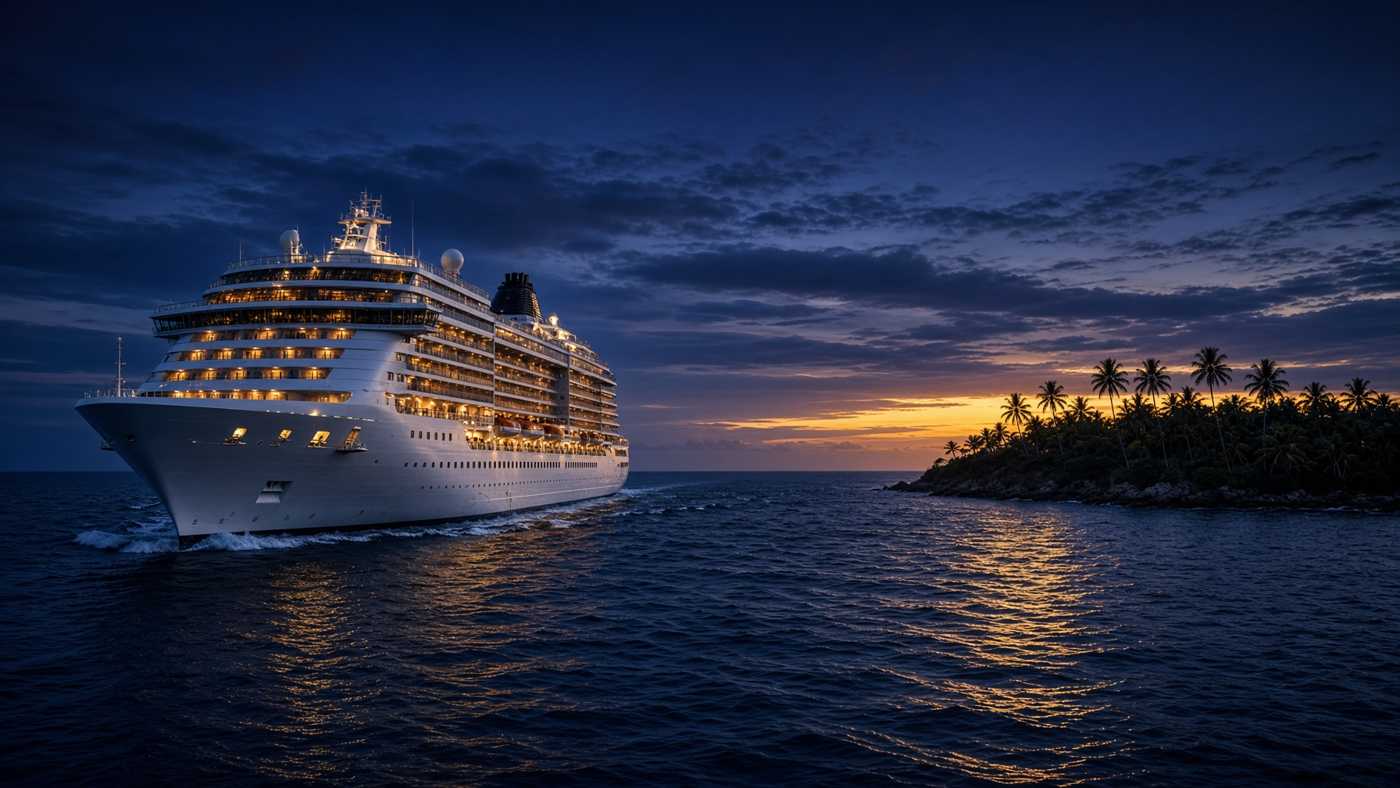
Large cruise ships frequently use Yokohama’s deep-water berths south of the capital. Yokohama itself is a substantial port city with its own waterfront; it is not a Tokyo neighbourhood. Large cruise ships frequently use Yokohama’s deep-water berths south of the capital; Yokohama is a substantial port city with its own waterfront, not a Tokyo neighbourhood you can walk into from the gangway.
Nikkō’s shrines and cedar avenues lie well north of the capital. They reward a dedicated day with early departure and a disciplined return — not a casual add-on after Ginza shopping. Nikkō’s shrines and cedar avenues lie well north of the capital and repay a dedicated day with early departure and a disciplined return — never a casual add-on after Ginza shopping from a Yokohama clock.
Know the berth before you book the shrine. Yokohama and Harumi are not the same clock.

Ashore
One neighbourhood theme — or Nikkō if hours allow
- 01
Confirm Yokohama versus Harumi first
Read the ship’s berth note. Yokohama means a rail or coach commitment both ways. Harumi or similar Tokyo waterfront berths shorten the hop but still need transit. Do not assume a waterfront stroll into Shinjuku. Read the ship’s berth note first: Yokohama means rail or coach both ways, while Harumi or similar Tokyo waterfront berths shorten the hop but still need transit into the skyline districts.
- 02
Follow Asakusa, Sensō-ji and the east gardens
Temple precinct, Nakamise approach and a calm Imperial East Gardens hour if time remains. A coherent east-Tokyo day from either berth type when transfers are honest. Sensō-ji, the Nakamise approach and a calm Imperial East Gardens hour form a coherent east-Tokyo day when transfers from Yokohama or Harumi stay honest against all-aboard.
- 03
Pick Shibuya or one west-side neighbourhood
Crossing, side streets and one focused district. Pick this or Asakusa — not a Yamanote lap of every famous junction. Shibuya crossing and one focused west-side neighbourhood beat a Yamanote lap of every famous junction — pick this or Asakusa, not both plus a mountain shrine.
- 04
Attempt Nikkō only on a long call
Shrine complex and mountain cedar. Needs an early start and a locked return that still meets all-aboard from Yokohama. Skip it on a short city day. Nikkō needs an early start and a locked return that still meets the Yokohama gangway; skip it on a short city day when the harbour skyline already fills the postcard.
- 05
Tokyo Station and one covered arcade lunch
A single station-area meal and arcade pass works as the hinge between rail arrival and your chosen district. Keep shopping bags light for the return toward Yokohama or Harumi. Treat the station as logistics and lunch, not a third sightseeing theme.
- 06
Sumida waterbus hop only if the clock is soft
A short river hop can link Asakusa-side temples with another east-bank stop when schedules are generous. Buy the return before you board and refuse any loop that lands you far from the berth rail. Cloud and crowd both slow the quays.
- 07
Refuse Asakusa, Shibuya and Nikkō on one ticket
Three famous names look like a full Japan day and usually produce a late dash to Yokohama. One temple-and-garden theme or one west-side neighbourhood is the disciplined call. Protect the transfer hour that the harbour approaches never show on the brochure map.
Keep these
What's worth doing
Nakamise-dōri approach
Temple approach street for Sensō-ji — walk it once, not as a shopping marathon.
Palace moat paths
Quiet water edges near the east gardens when you want green over neon.
Yokohama Minato Mirai (if berthed there)
Local waterfront skyline when you skip the capital transfer entirely.
One department-store basement food hall
Efficient lunch and snack restock without a second district transfer.
Before you sail
Berth, IC card, one plan
- Ask the ship whether you are in Yokohama or a Tokyo waterfront berth; the day’s geography hangs on that answer. Ask the ship whether you are in Yokohama or a Tokyo waterfront berth; the day’s geography and skyline access hang on that answer.
- Suica/Pasmo (or the tourist equivalents) make rail simple; cash still helps at smaller stalls. Suica, Pasmo or tourist equivalents make rail simple; cash still helps at smaller Asakusa stalls when card readers stall.
- Do not stack Asakusa, Shibuya and Nikkō. One theme ashore is the disciplined Tokyo call. Do not stack Asakusa, Shibuya and Nikkō — one theme ashore is the disciplined Tokyo call from either harbour approach.
Who calls
Ships that stop at Tokyo
Tap a ship to compare UK cruise-only prices for that vessel in the months it calls here.
2026
- Azamara PursuitAzamaraAugust–October 2026
- Carnival LuminosaCarnival Cruise LineSeptember–October 2026
- Celebrity MillenniumCelebrity CruisesAugust–September 2026
- Costa SerenaCosta CruisesOctober 2026
- WesterdamHolland America LineSeptember–October 2026
- MSC BellissimaMSC CruisesOctober–November 2026
- Norwegian JadeNorwegian Cruise LineOctober 2026
- Royal PrincessPrincess CruisesSeptember–October 2026
2027
- Azamara PursuitAzamaraMarch–September 2027
- Azamara QuestAzamaraFebruary–April 2027
- Carnival LuminosaCarnival Cruise LineOctober 2027
- Celebrity MillenniumCelebrity CruisesMarch–October 2027
- Costa DeliziosaCosta CruisesJanuary 2027
- Explora IIIExplora JourneysSeptember–November 2027
- Europa 2Hapag-Lloyd CruisesMay 2027
- NoordamHolland America LineSeptember–October 2027
2028
- Azamara PursuitAzamaraMarch–September 2028
- Crystal SymphonyCrystalSeptember 2028
- Explora IIIExplora JourneysJanuary–April 2028
- NoordamHolland America LineFebruary–April 2028
- MSC BellissimaMSC CruisesApril 2028
- Norwegian JadeNorwegian Cruise LineFebruary–March 2028
- Oceania RivieraOceania CruisesSeptember 2028
- Sapphire PrincessPrincess CruisesMarch–August 2028