
 Tokyo
Tokyo
Yokohama berth, Harumi exception, one city theme
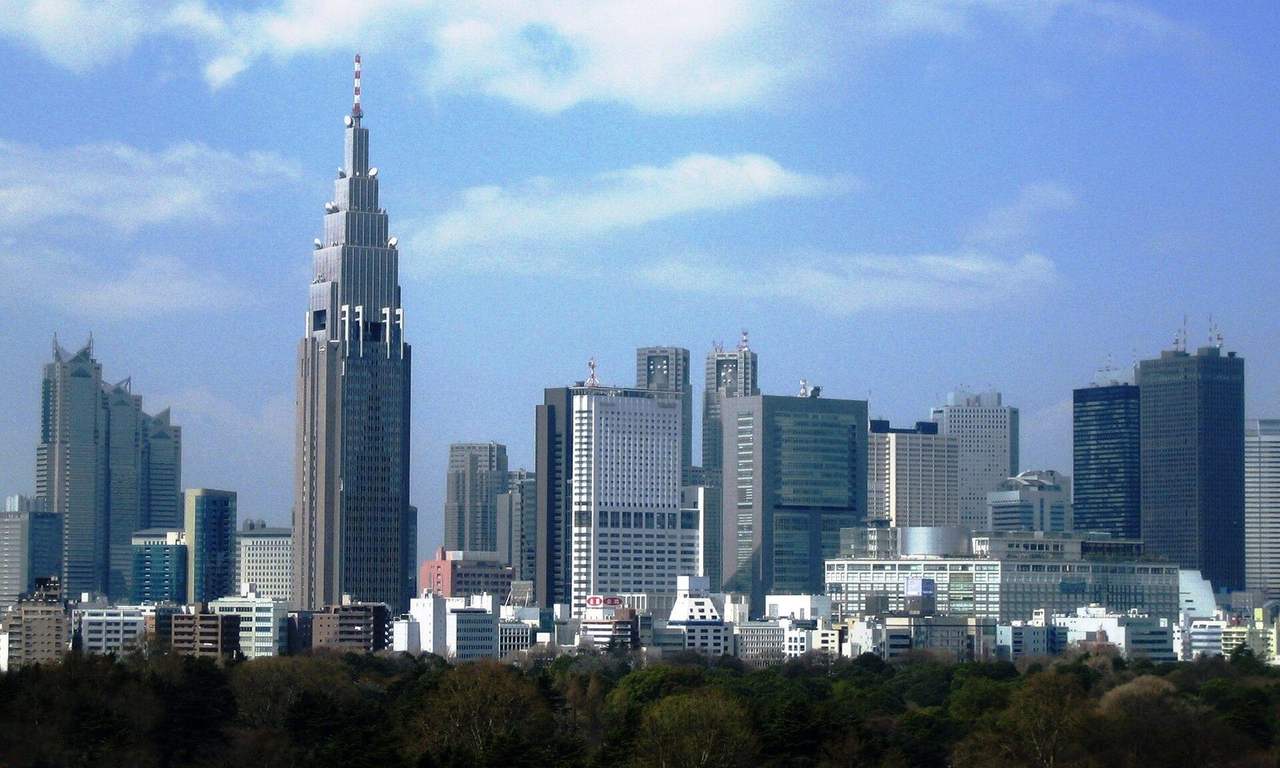
Most ships calling “Tokyo” berth in Yokohama, not beside Ginza. Harumi and other Tokyo waterfront berths are less common and still a transfer from the core. One city theme — Asakusa and the Imperial East Gardens, or Shibuya and a neighbourhood walk — not Nikkō unless the call is long and the return is booked tight. The skyline and harbour approaches look like the capital, yet most ships still sit in Yokohama — confirm the berth before you invent a Ginza stroll from the pier.
Toyama City
Bay tram city, glass museum light, and Tateyama door
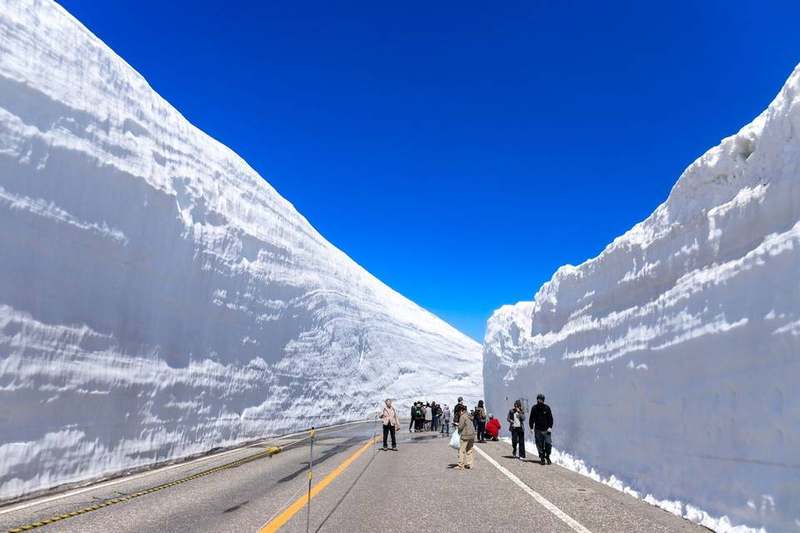
Toyama City faces Toyama Bay with tram lines, a rebuilt modern centre, and clear days that tease the Tateyama mountain wall inland. A cruise call fits bay sushi culture, the Glass Art Museum, and at most one mountain or historic-town hop. Kansai-density shopping is the wrong mental model for this prefectural capital.
 Yeosu
Yeosu
Harbour night lights, Odongdo, and Expo waterfront
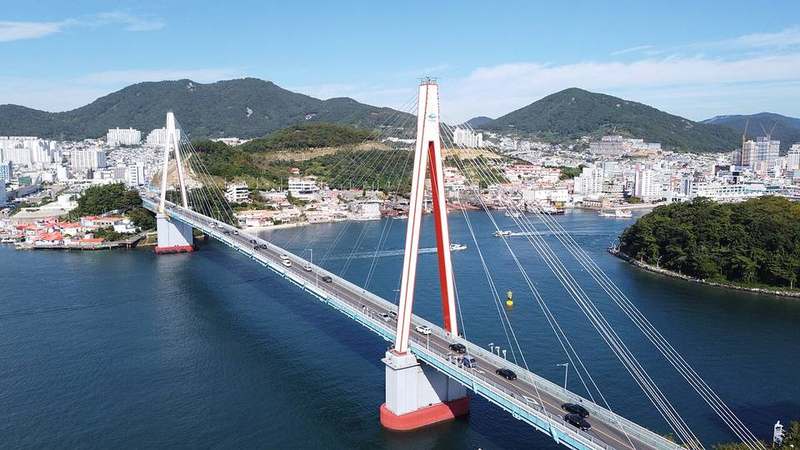
Yeosu wraps a southern Korean harbour with island parks, cable-car views, and a waterfront remade around the Expo site. A cruise day fits Odongdo or the harbour cable car plus seafood lanes — not every island ferry plus Suncheon Bay plus Busan as a casual add-on. Southern coast light is the product; stacking half of Jeolla is not.
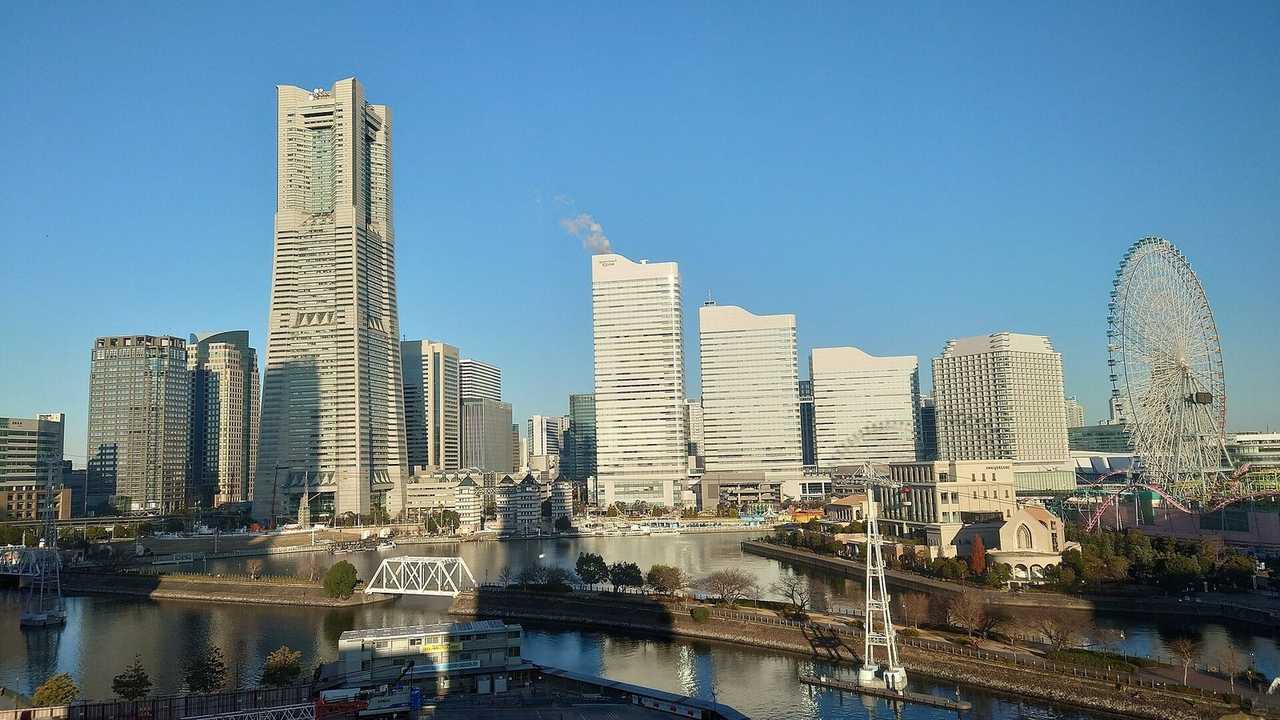
Yokohama
Minato Mirai harbour city — or Tokyo by train
Yokohama is Japan’s major deep-water cruise harbour south of Tokyo, with Minato Mirai’s waterfront, CupNoodles Museum district and Chinatown within reach of the berths. Many itineraries that print Tokyo actually land here. Yokohama’s harbour city or a committed Tokyo transfer — not both at full length, and not Nikkō unless the hours are unusually long. Yokohama is a city in its own right with Minato Mirai skyline and harbour; Tokyo is an either/or transfer — not both at full length, and not Nikkō unless hours are unusually long.