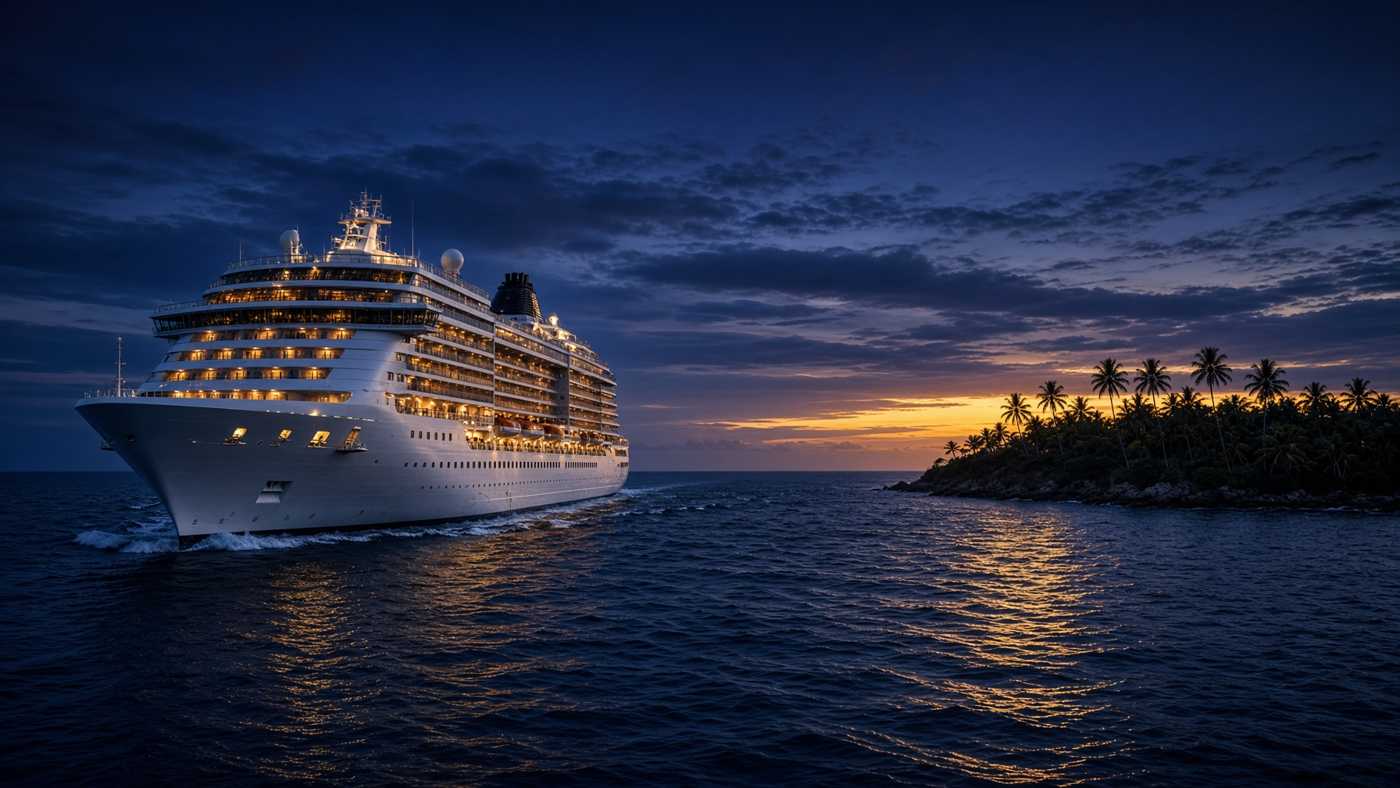

 Tarragona
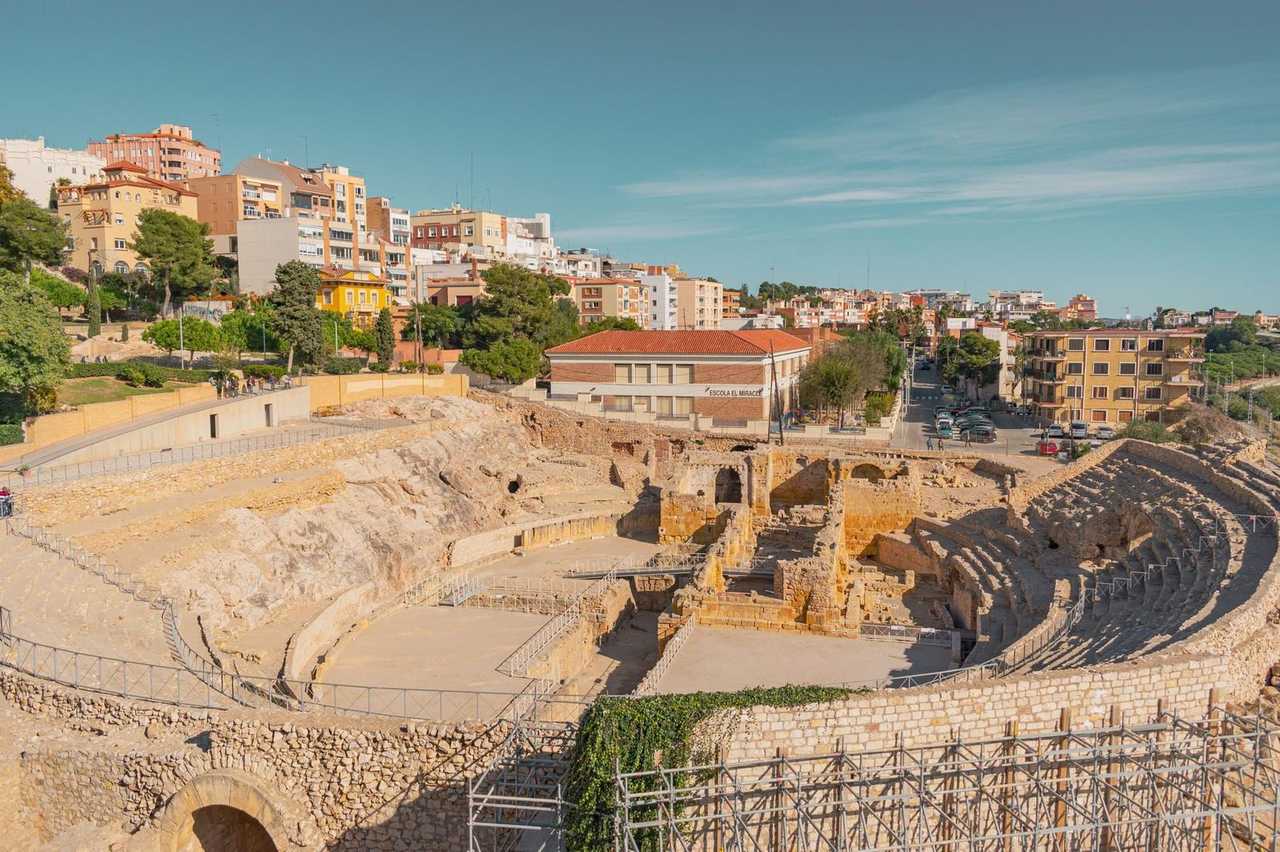
Roman amphitheatre above the Catalan shore
Ships berth below a Roman city that still shows amphitheatre, walls and circus in the fabric of the modern town. The archaeological walk is the point of the call. Barcelona is a long inland commitment — honest only on an extended day with a hard return, not as a casual add-on. The Roman amphitheatre sits on the Mediterranean edge of the city; Part Alta and the circus remains fill a walking day before anyone invents Barcelona.
 Thessaloniki
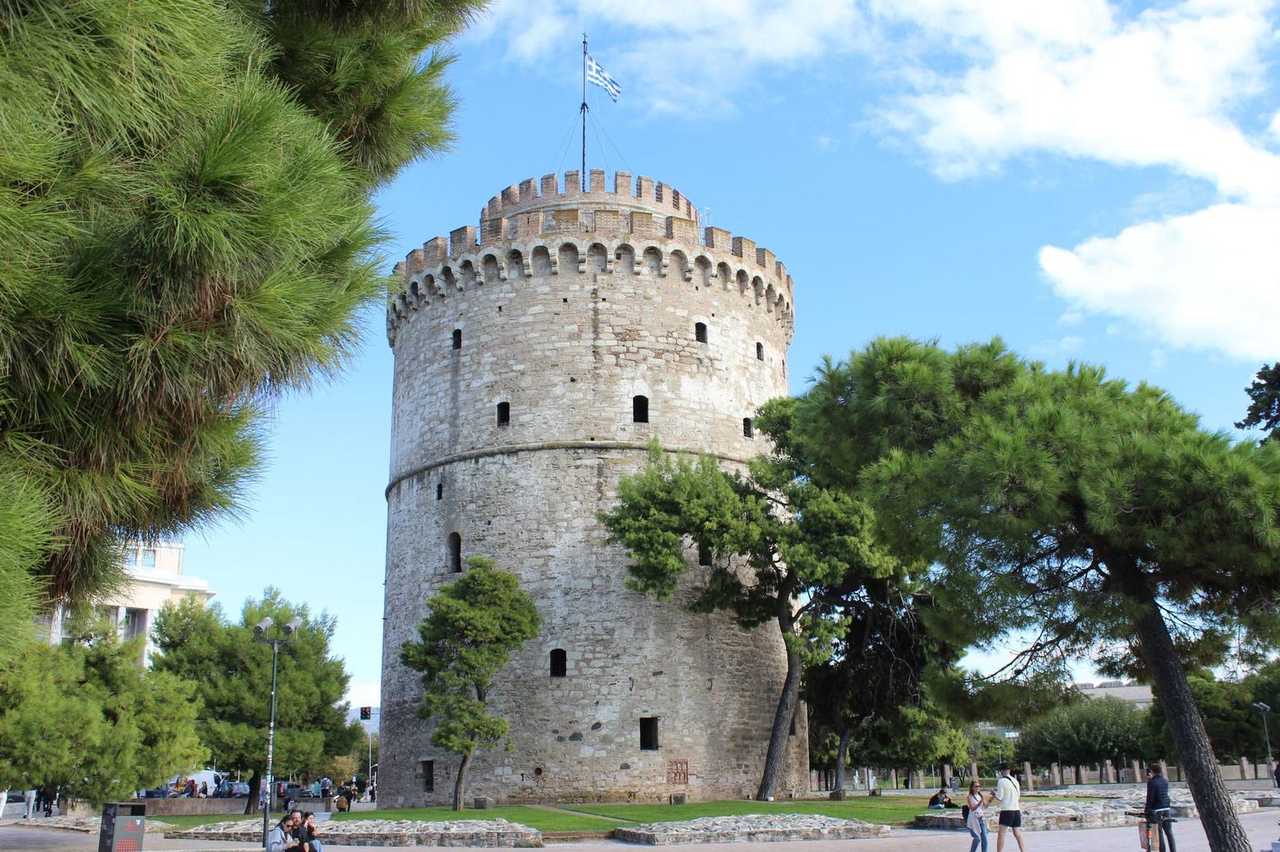
White Tower, waterfront and upper town
Greece’s second city faces the Thermaic Gulf with a long promenade and the White Tower as the easy landmark. Cruise berths put the waterfront within reach; Ano Poli climbs behind. Tower, promenade and one museum or upper-town loop — not a drive to every Macedonian royal tomb on the map. The White Tower anchors the Thermaic Gulf promenade a short hop from the port; Ano Poli and one museum fill the call before Vergina becomes a long-road fantasy.
 Toulon
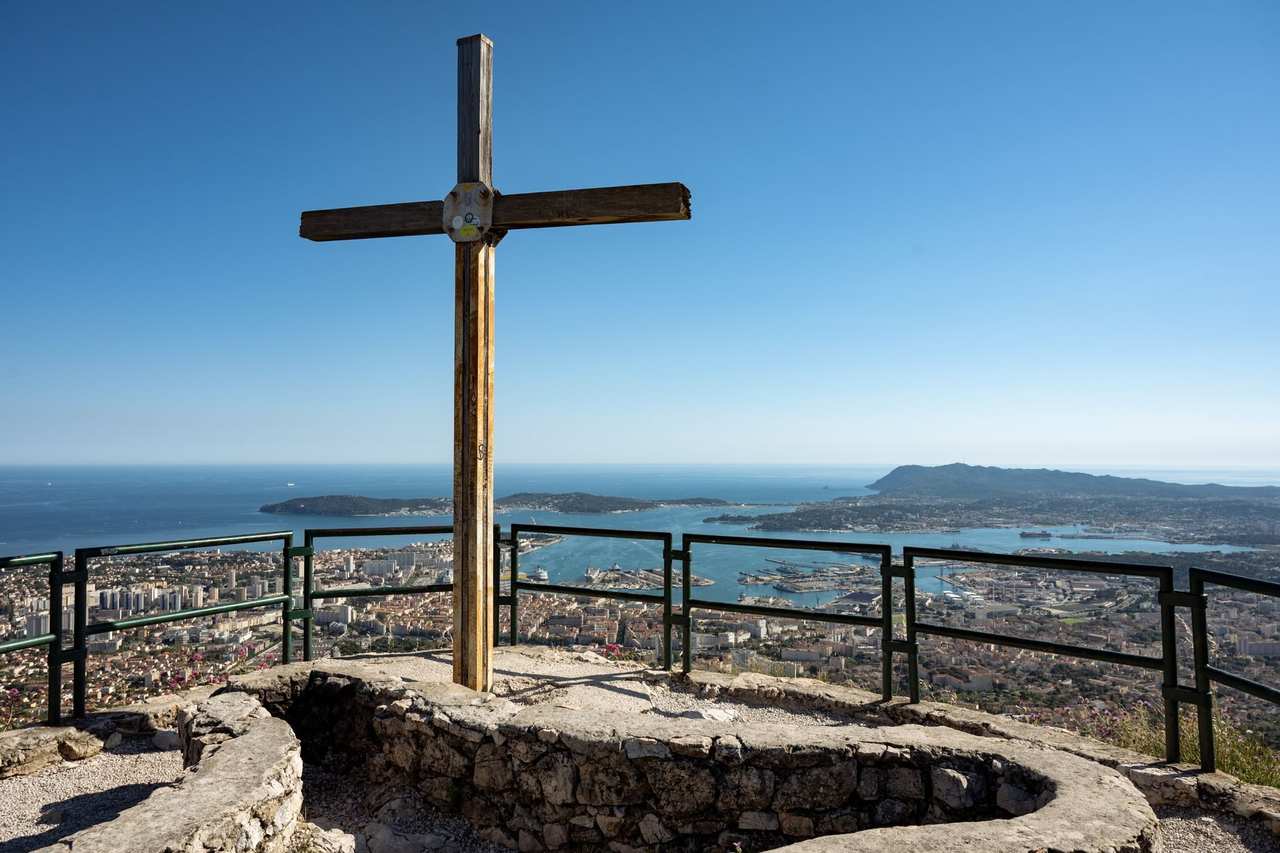
Naval harbour under Mount Faron
Toulon is a working naval and ferry port on the Provençal coast. Ships berth near the harbour with the old town a short walk inland and Mount Faron rising behind. Waterfront and old streets, or the téléphérique up Faron — not both plus a Côte d’Azur coach sweep unless hours are long. The naval roadstead under Mount Faron and the old-town lanes behind Quai Cronstadt are the honest Provençal call; Riviera coaches are overtime, not the default.
 Trapani
Salt pans or Erice — pick one ridge
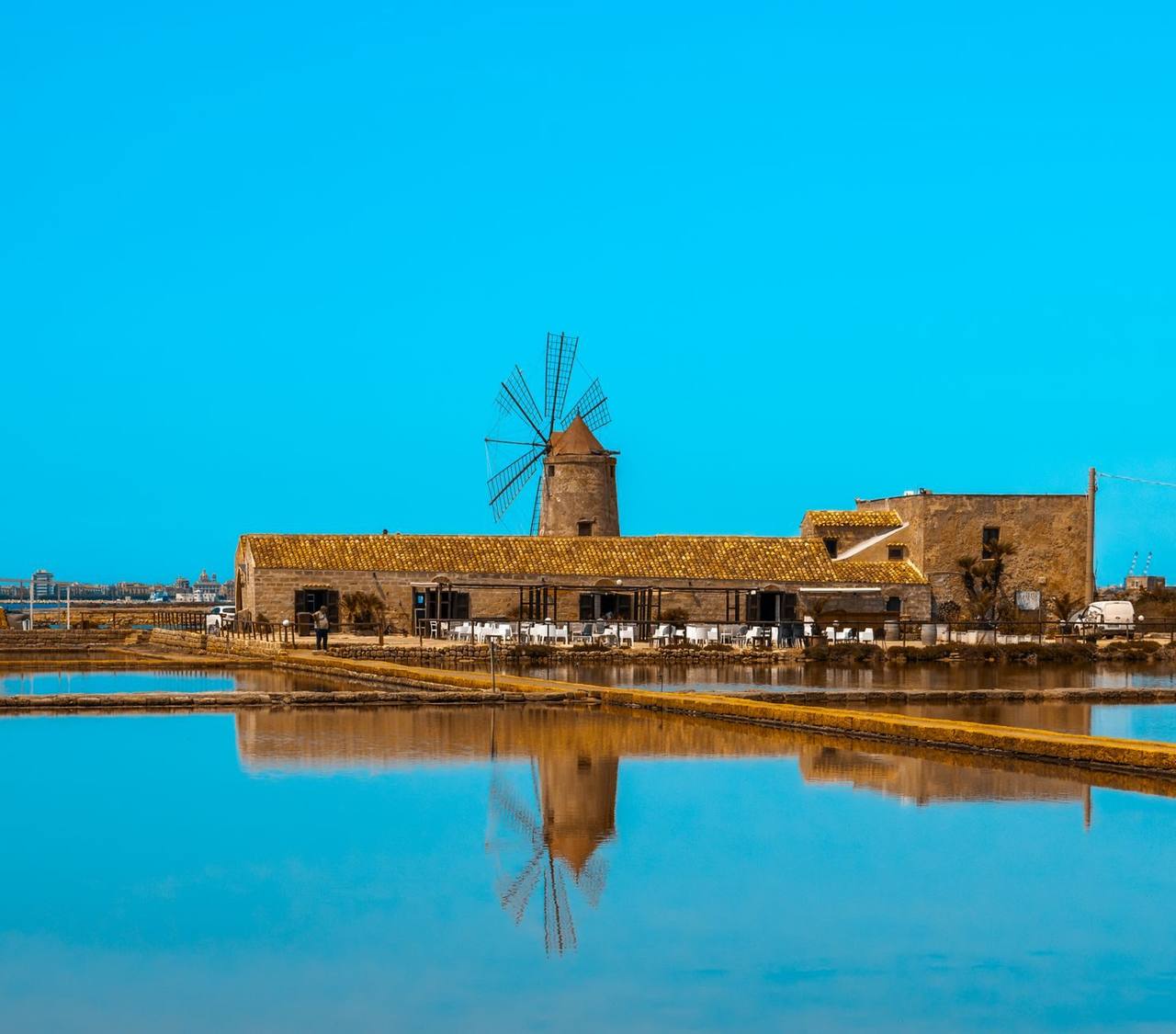
Trapani sits on a west-Sicily spit with salt pans to the south and the medieval hill town of Erice above. Ships berth near the harbour; the old town is walkable. Erice by cable car or the salt-pan and windmill landscape — not both as a rushed double, and not a full Palermo circuit unless hours are long. Erice on the mountain above and the salt pans with windmills to the south are the either/or from the harbour spit — pick one ridge of attention, not a rushed double.
Trieste
Habsburg harbour on the Adriatic edge
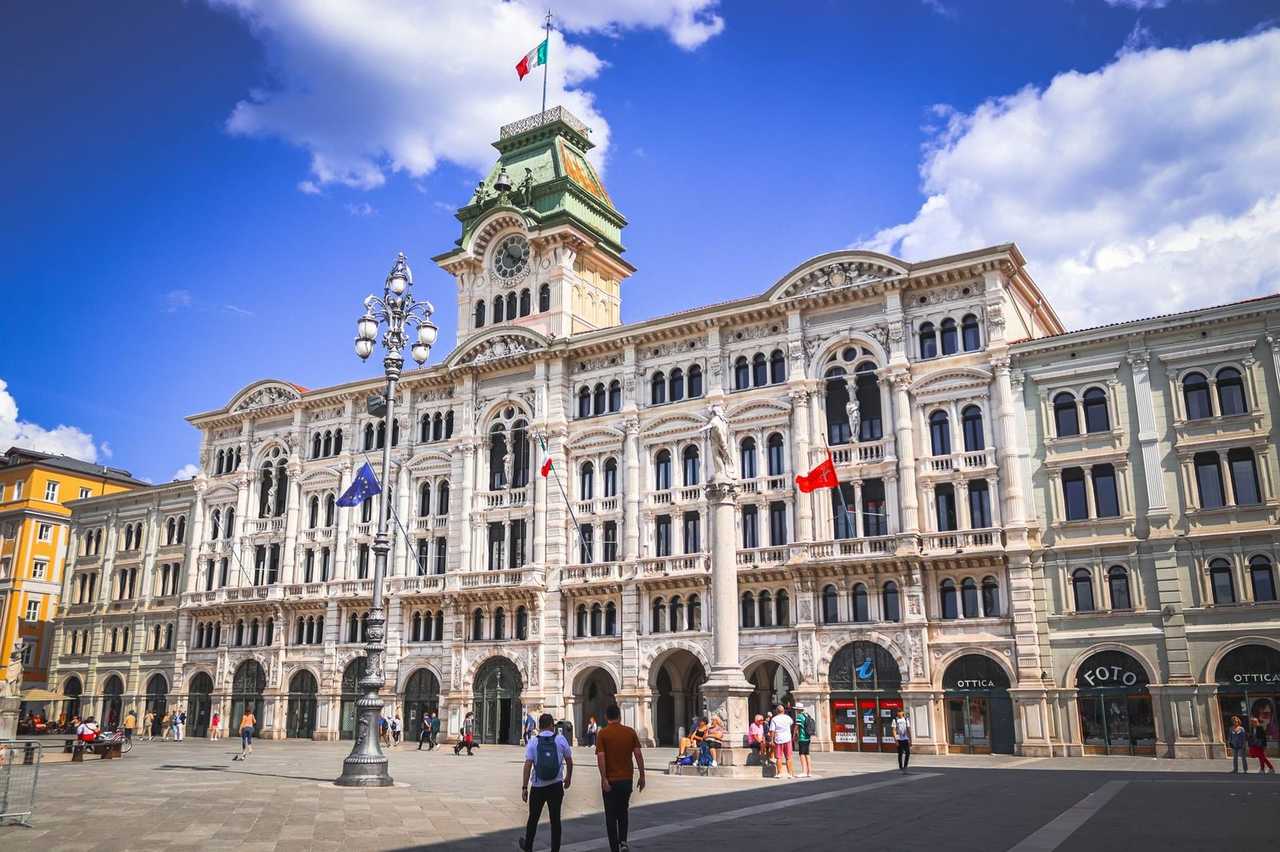
Trieste is Italy’s northeastern port — a Habsburg-built waterfront of piazzas, cafés and seafront palaces under the Karst edge. Ships berth close to the centre. Piazza Unità, the canal quarter and one viewpoint or Miramare fill the call — not a full Slovenia border sweep unless hours are long. Piazza Unità d’Italia opens straight onto the harbour, and the bora can own the square even on a bright forecast — jacket first, then Miramare if the clock allows.
Valencia
Ciutat Vella or City of Arts — choose
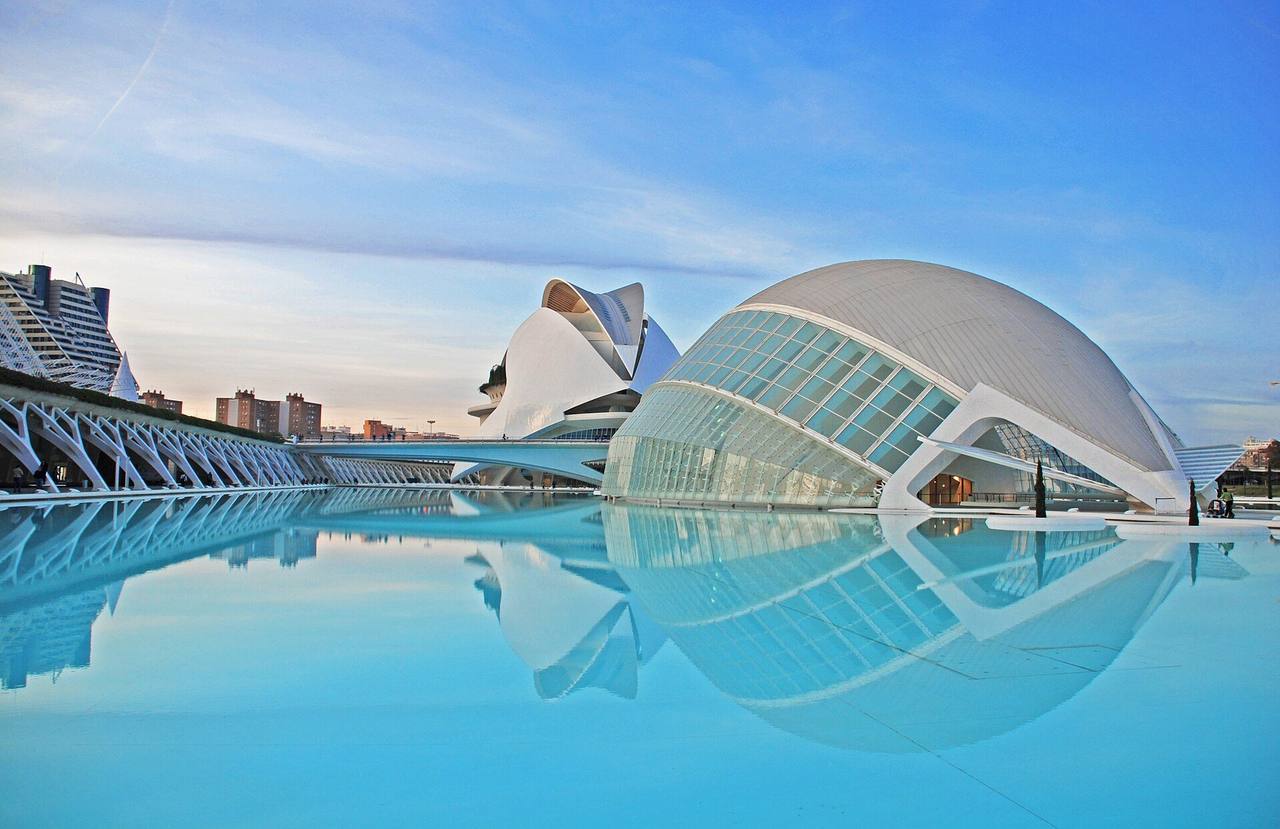
Valencia’s cruise terminals sit on the commercial harbour west of the beaches. Cathedral quarter and Central Market make one day; the City of Arts and Sciences makes another along the old riverbed. Pick either/or — stacking both usually means neither done well. Cathedral towers and old-town rooftops set the Ciutat Vella day; Calatrava’s white complex is the other headline — choose one, because stacking both on a tight call usually means neither done well.
 Valletta
Bastions above the Grand Harbour berths
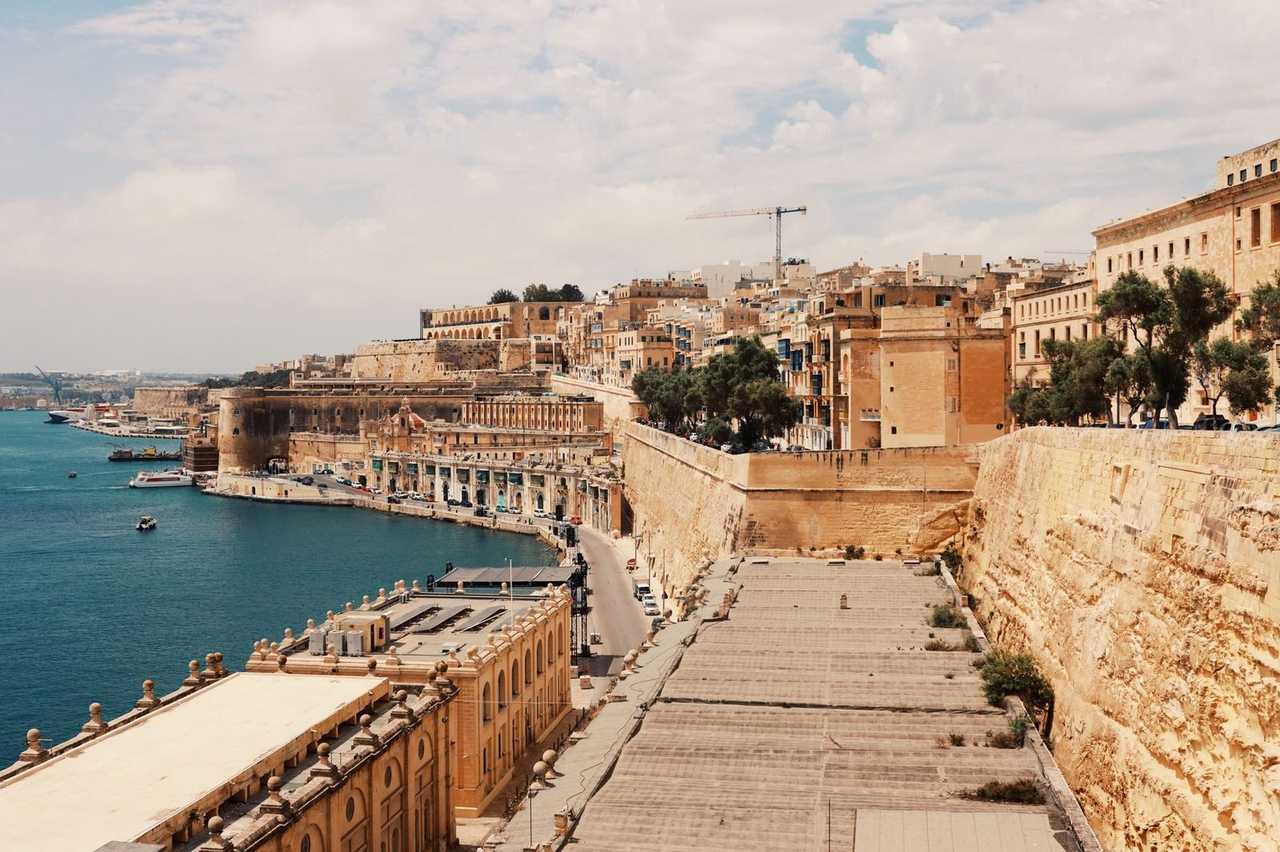
Valletta’s cruise berths sit under the bastions of the Grand Harbour. Many ships put you within a steep walk of City Gate and Upper Barrakka. Fortified peninsula on foot — ramparts, batteries and the limestone grid — not an island-wide coach chasing Mdina and Gozo too. Bastion walks from the pier put the capital under your feet: fortifications above the Grand Harbour berths reward a climb-once day along the limestone ridge, not an island coach chasing Mdina and Gozo.
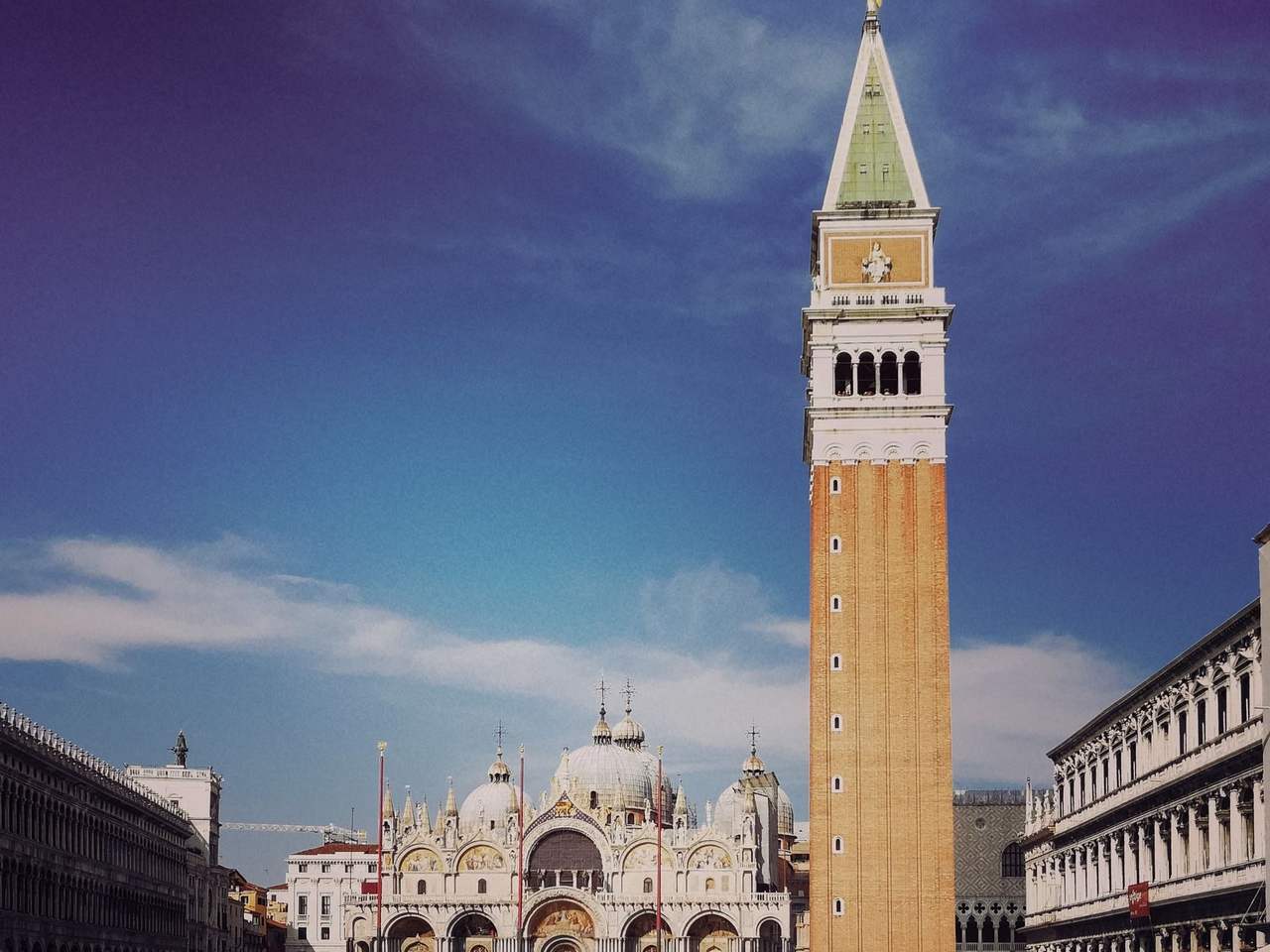
Venice
Check the berth — then one sestiere
Classic Venice calls used Marittima at the edge of the historic city. Many large ships now use Ravenna, Trieste or other mainland ports with a transfer coach to the lagoon. Read your itinerary: a true Venice walk-off differs from a Ravenna or Trieste day with a long road link. Once in the lagoon, pick San Marco or a quieter sestiere — not every island. Lagoon streets when you reach them — first check which port the ship uses, because Marittima walk-offs differ from Ravenna or Trieste days with long road links before any sestiere.
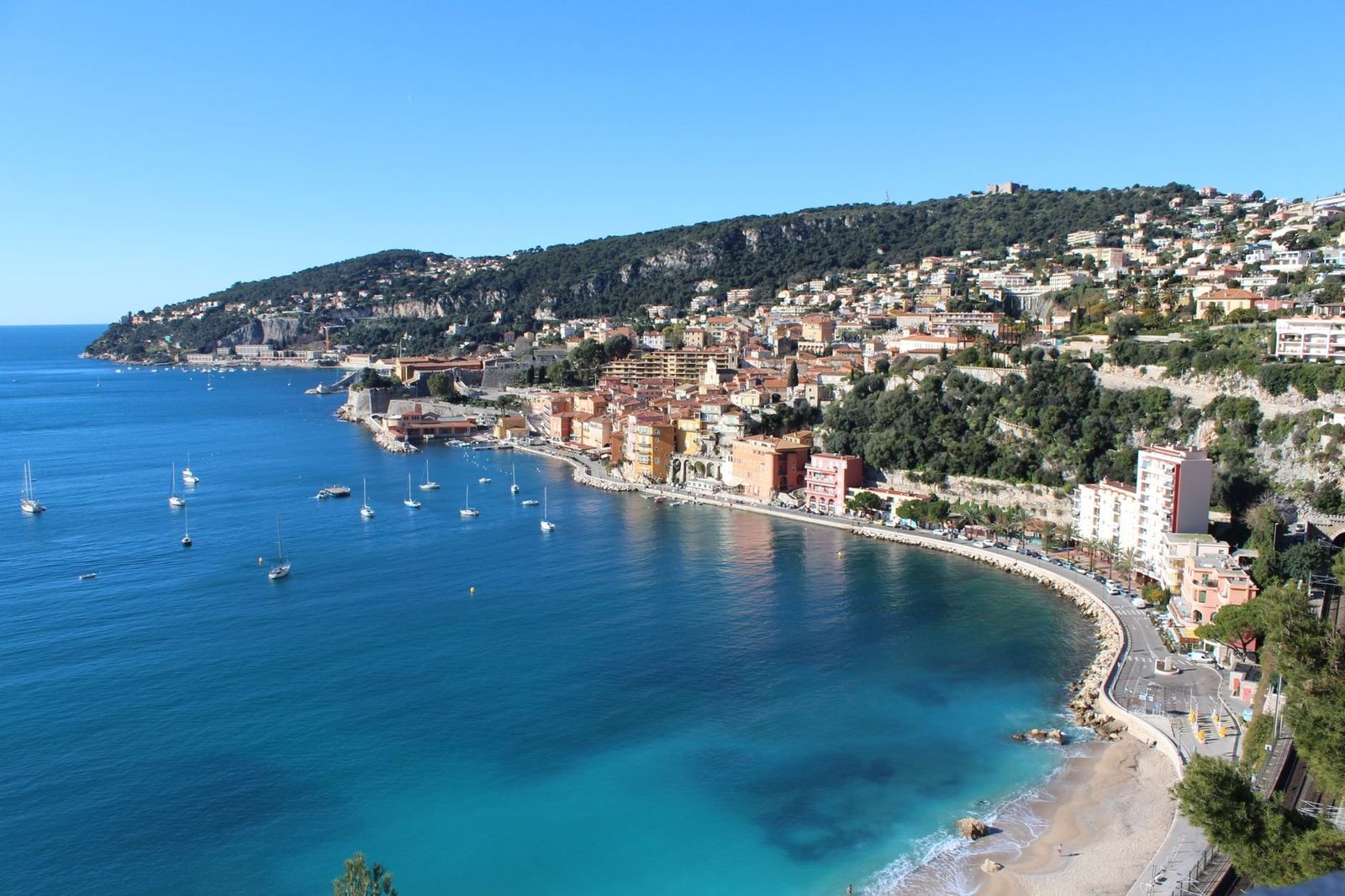
Villefranche-sur-Mer
Tender into the bay — Nice or the citadel, not both stacked
Large ships anchor in Villefranche’s deep roadstead and tender to the waterfront below the citadel; smaller vessels may use the quays when space allows. Nice sits a short train or taxi west along the coast. Pick Villefranche’s harbour and citadel, or commit to Nice’s old town and Promenade des Anglais — stacking both plus Èze empties a standard tender day. The anchorage itself is the first honesty: you are ashore when the tender runs, not when the ship’s bridge lines up with the bay.
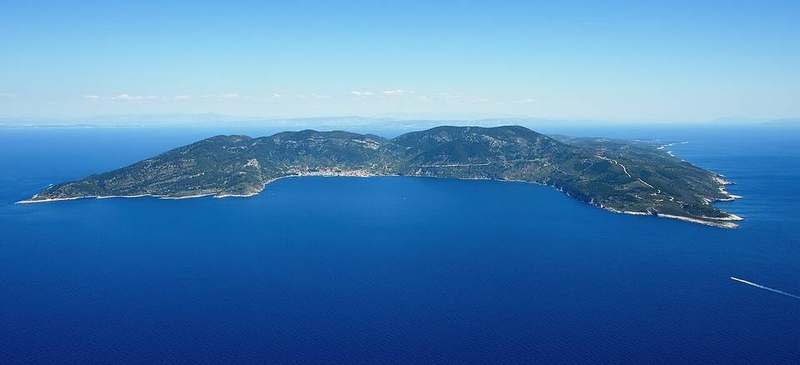
 Vis
Vis
Closed island opened — Vis town, Komiža, or Blue Cave
Vis is the far Dalmatian island that stayed off tourist maps while it served as a Yugoslav military zone, then reopened with Vis town and Komiža still feeling like working harbours. Ships tender or ferry into the bay; the day is town lanes and a beach, or a boat to Biševo's Blue Cave — not Hvar's nightlife transplanted. Distances across the island eat tender buffers.
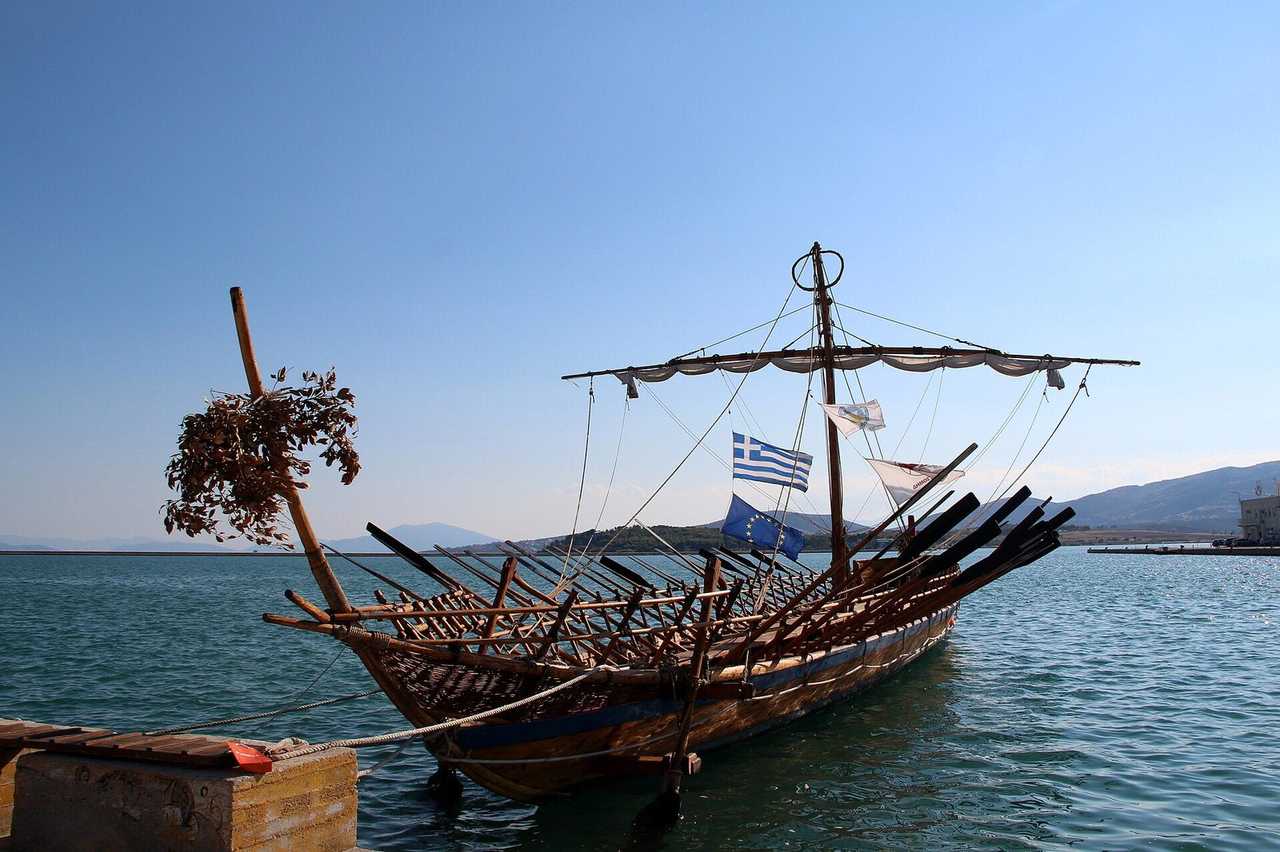
Volos
Gulf promenade — Pelion villages either/or
Ships berth on Volos’s waterfront on the Pagasetic Gulf. Promenade, Argonauts waterfront and town museums sit close to the pier. Mount Pelion’s stone villages are a separate mountain outing — town or villages, not a rushed both. Gulf promenade on the Pagasetic Gulf comes first with Pelion above; stone villages are a deliberate either/or mountain outing, not a rushed add-on after a long waterfront lunch.
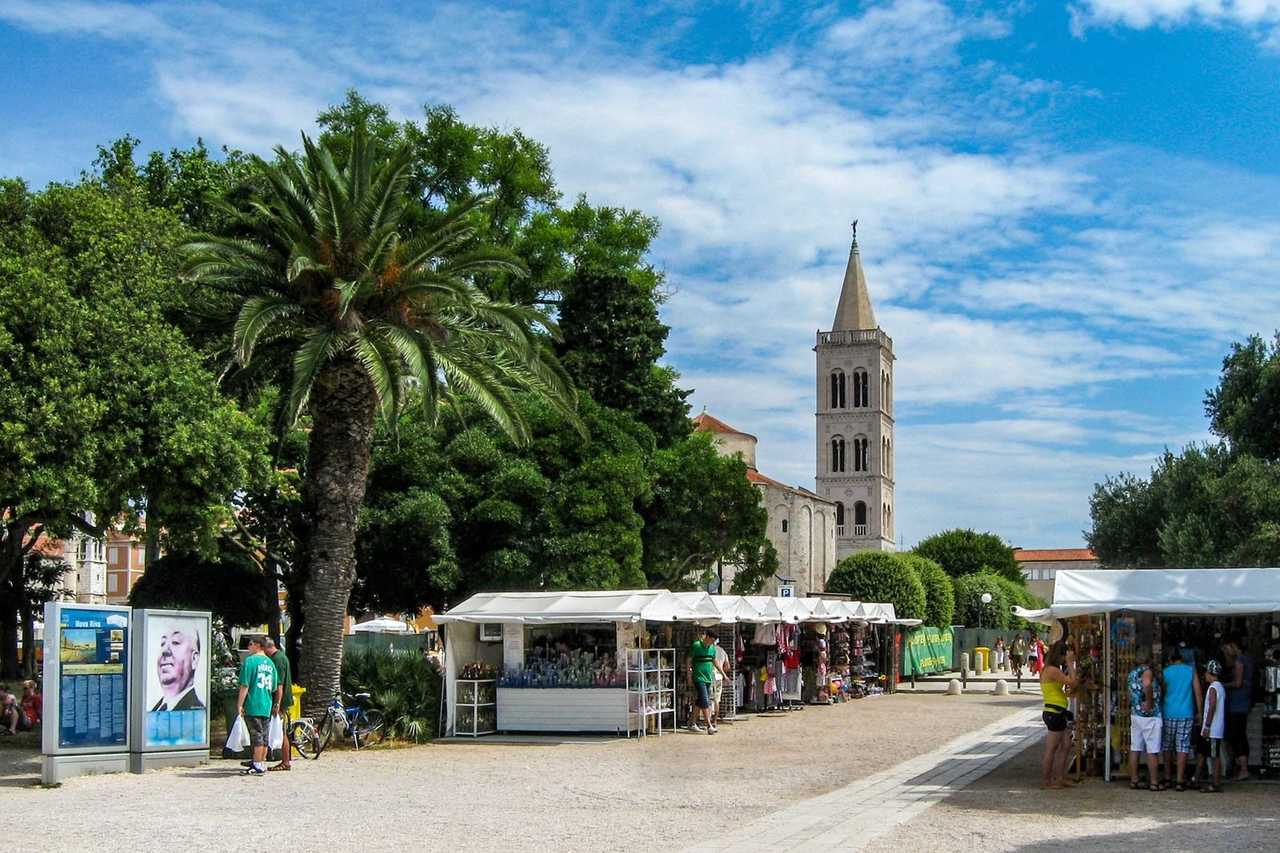
Zadar
Sea Organ tip and the peninsula lanes
Zadar’s peninsula old town sits above the harbour with the Sea Organ and Sun Salutation installations on the western tip. Cruise berths are close enough that the marble streets, Roman forum fragments and waterfront sound tubes are a walk-off day. National park islands and Krka are either/or additions — the peninsula itself is already a full call. Sea Organ at the tip of the peninsula; Roman forum and lanes fill the marble streets behind — national-park islands and Krka are either/or additions, not automatic after the sound steps.
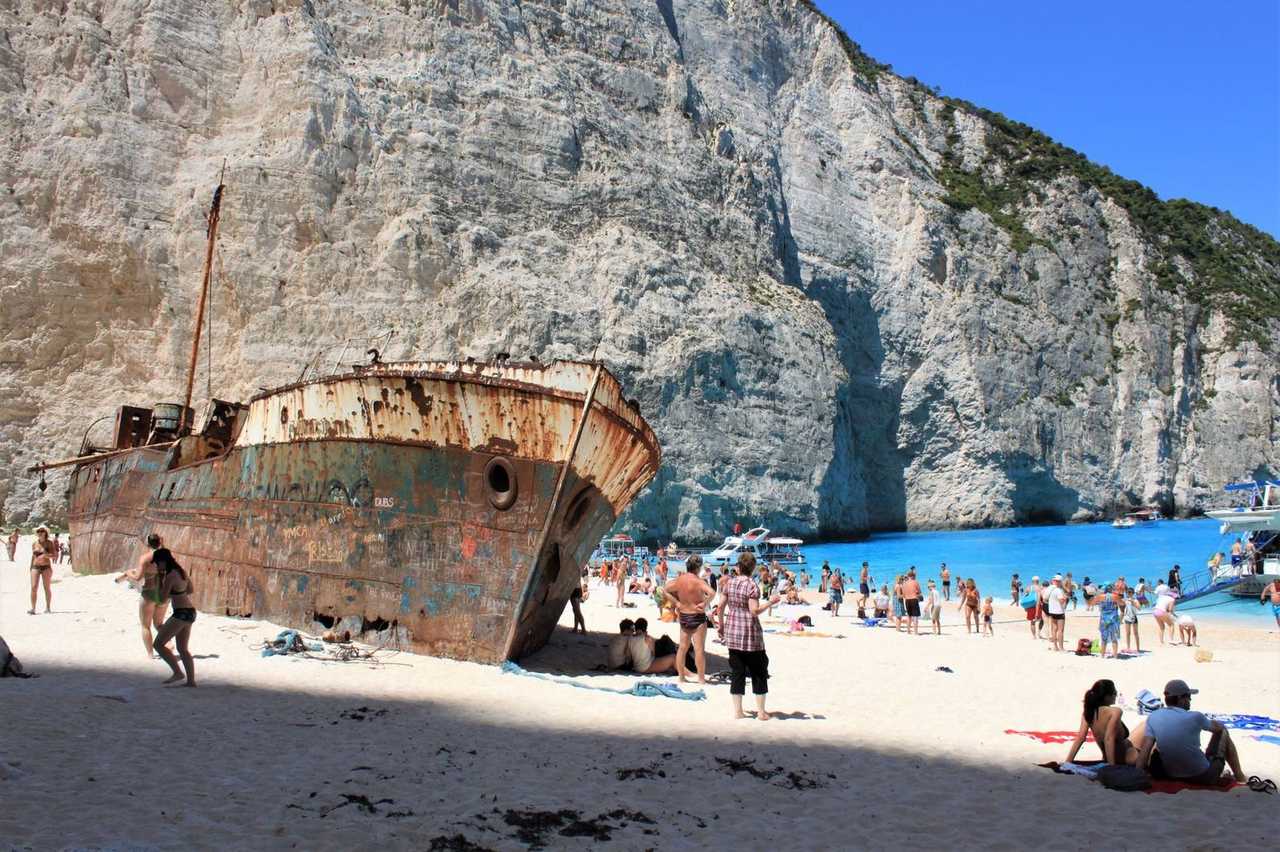
Zakynthos
Harbour town first — Navagio only with a long clock
Ships call at Zakynthos Town on the east coast of the island. Harbour, Solomos Square and the nearby shoreline are the honest walk-off day. Navagio — Shipwreck Beach — sits on the remote north-west cliffs and needs a boat or a long road-and-viewpoint plan; treat it as a long-call centrepiece, not a casual tick after a slow town morning. Harbour town on the east coast first; Navagio on the remote north-west cliffs is a long-call commitment — boat or viewpoint — not a pier stroll after a slow Solomos Square morning.