
 Positano
Vertical Amalfi colour — beach, stairs, one boat extra
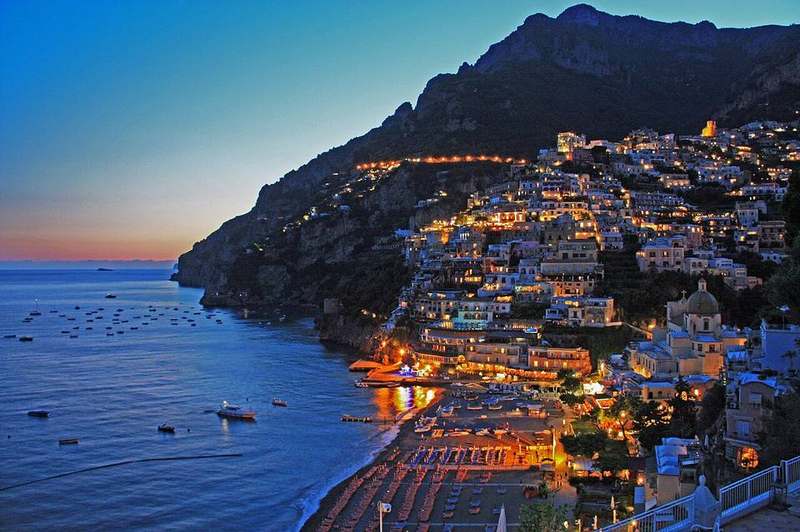
Positano cascades down the Amalfi Coast in pastel tiers to a shingle beach — tender theatre, stair workouts and photographable verticality rather than a flat grid at the pier. A cruise day fits the beach piazza and church, plus at most one boat hop to Amalfi or Capri. Ravello-plus-Capri stacks fail in heat and queues.
 Pula
Pula
Roman arena first — then forum or one boat
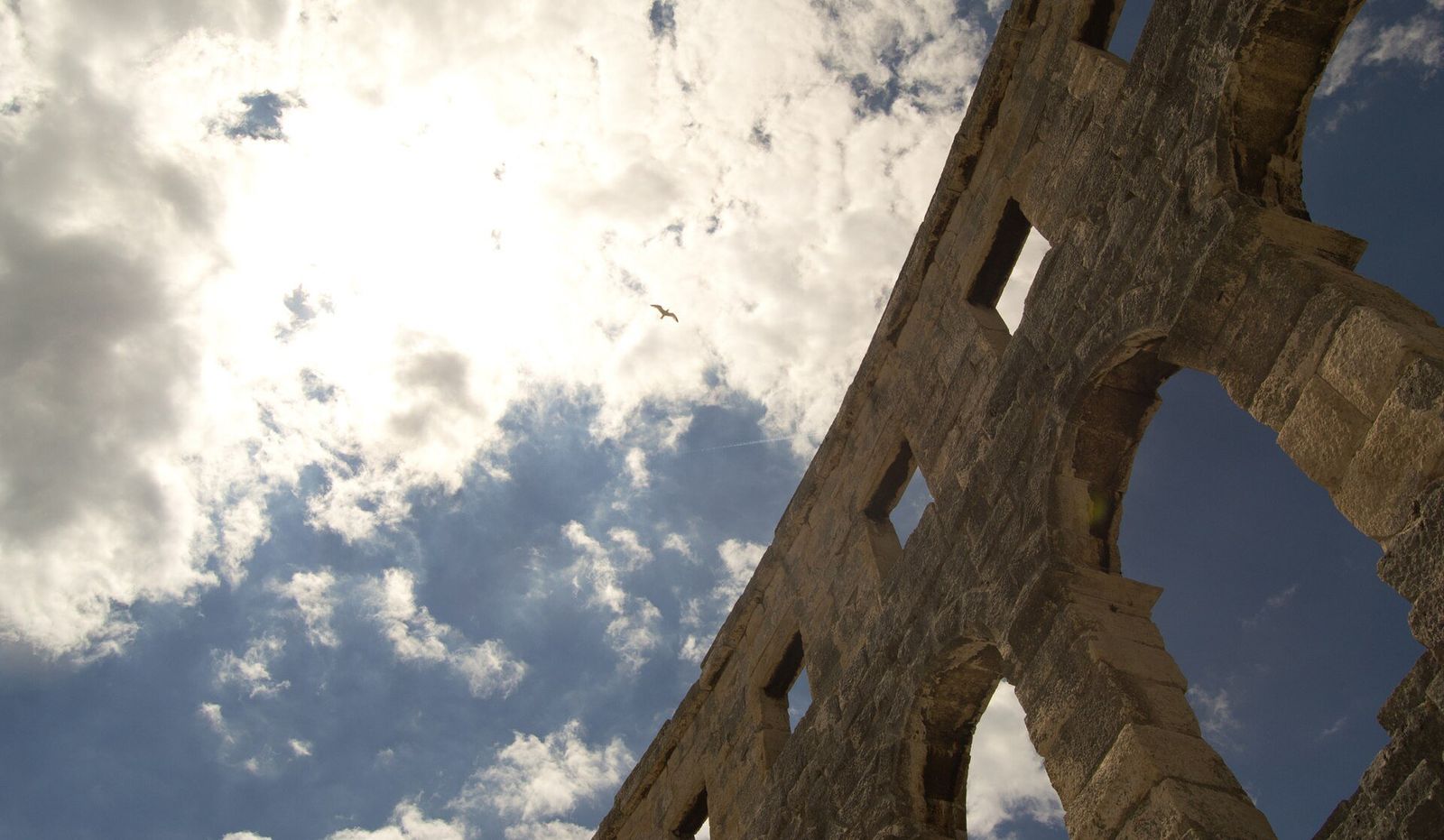
Pula is Istria’s Roman heavyweight: a huge amphitheatre near the harbour, temples in the forum and a working port city rather than a pure resort strip. The day ashore is arena-plus-old-town depth. Leave Rovinj and truffle-country stacking for itineraries with more hours.
 Pylos
Pylos
Neokastro and the square — Voidokilia as either/or
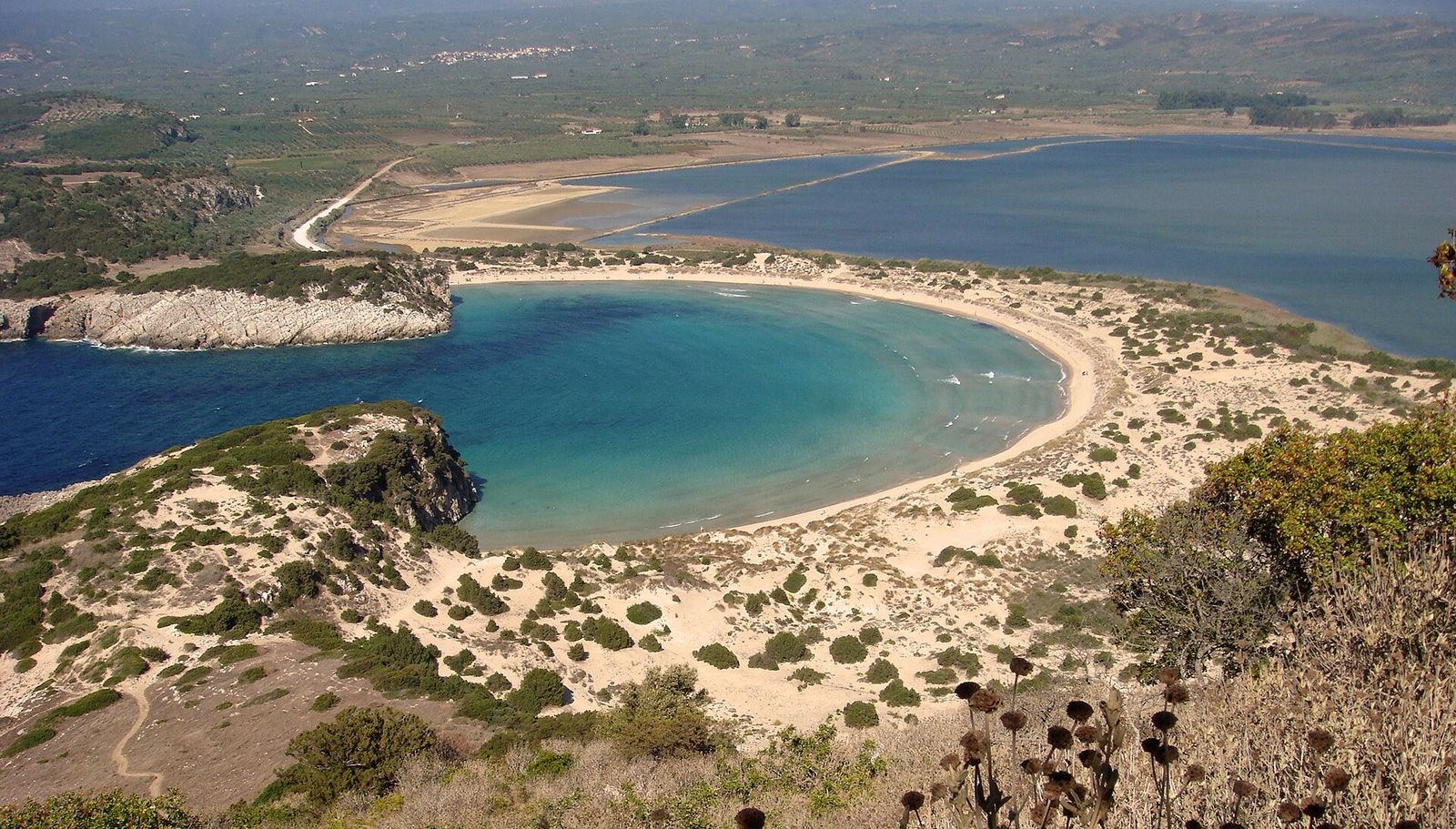
Pylos faces the vast Bay of Navarino in Messinia — Ottoman and Venetian fortress walls, a graceful square and one of Greece’s most photographed beach crescents at Voidokilia within reach. Cruise days work with fortress and square depth, or the beach as a chosen alternate. Stacking fortress, beach and palace usually fails in the heat.
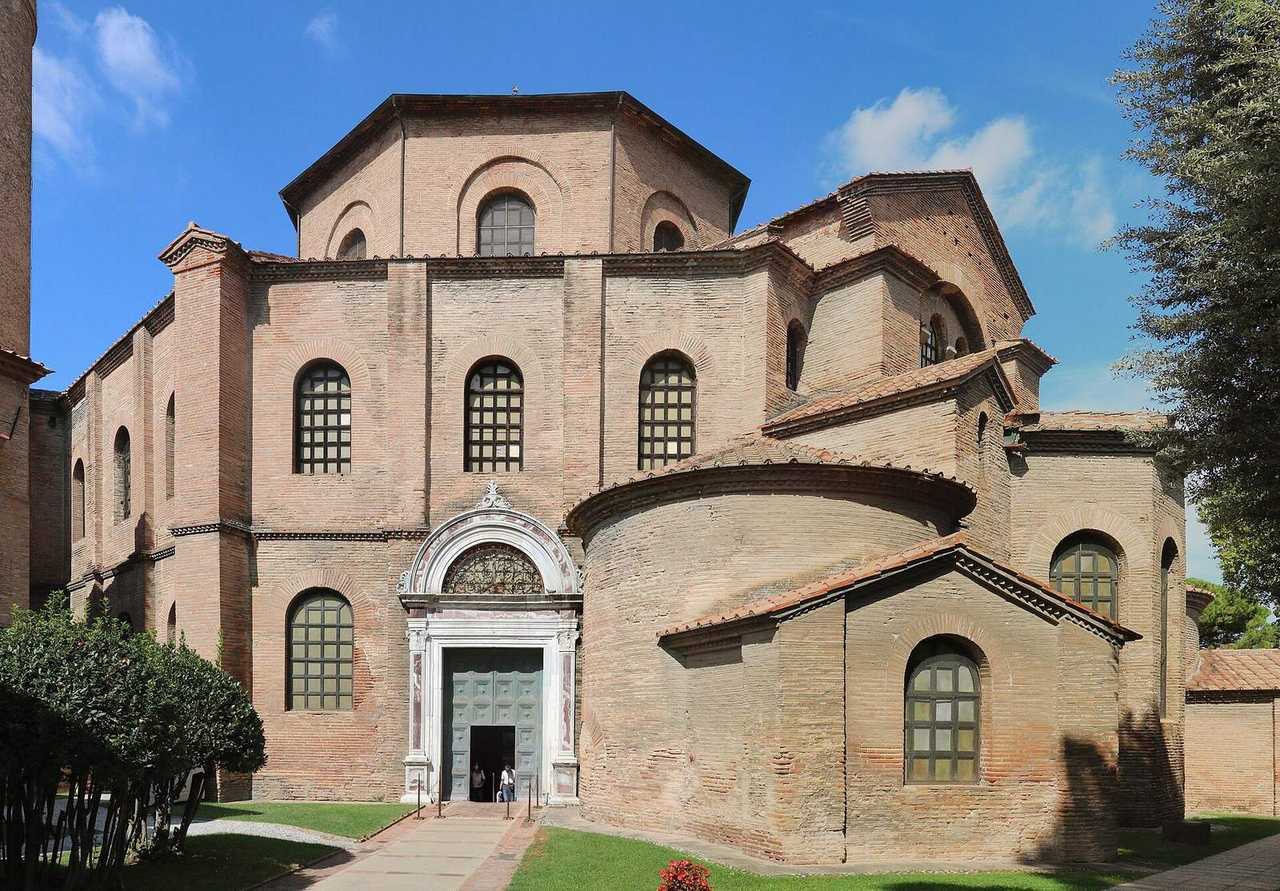
Ravenna
Gold mosaics inland — San Vitale owns the hour
Cruise ships use Porto Corsini or Marina di Ravenna on the coast; the mosaic centre sits inland by coach or taxi. A day call is San Vitale, the Mausoleum of Galla Placidia and one more UNESCO church. Venice is a long separate transfer — only on a generous clock.
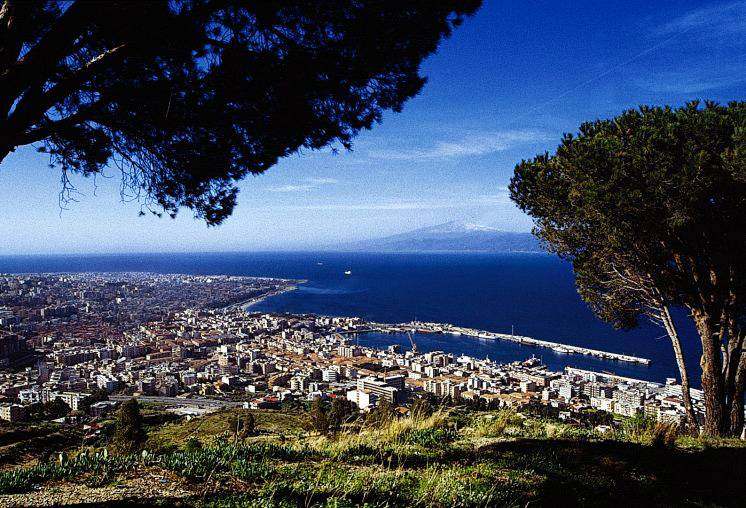
Reggio Calabria
Riace Bronzes, then the Strait lungomare
Ships berth on Reggio’s waterfront facing Sicily across the Strait of Messina. The Museo Archeologico Nazionale holds the Riace Bronzes a short transfer or walk inland from the lungomare. A day call is the bronzes and the promenade. Crossing to Messina is a separate product on a medium clock.
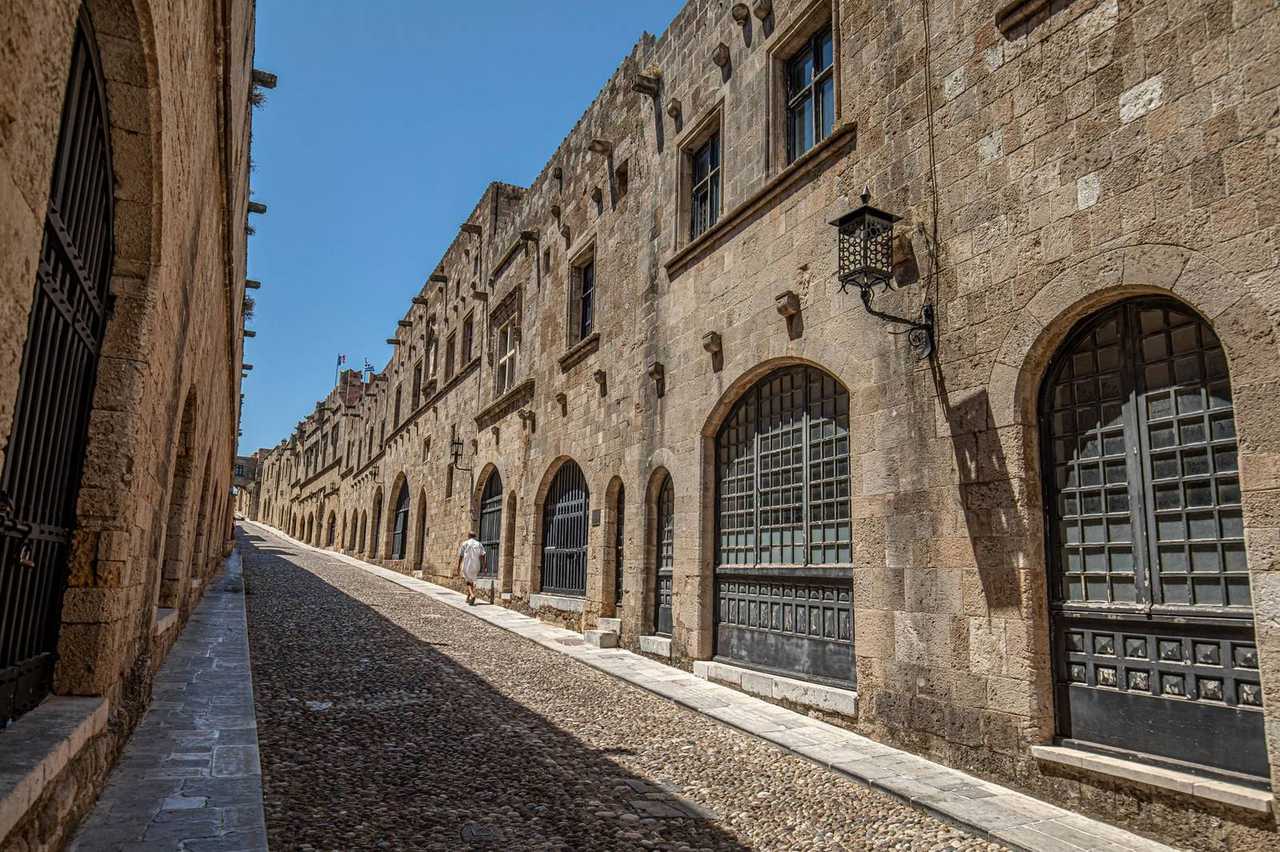
Rhodes
Medieval walls by the berth — Lindos as either/or
Ships berth by the commercial harbour beside the medieval walls of Rhodes Town. The UNESCO Old Town and the Palace of the Grand Master sit a short walk from most cruise docks. A day call is the walls and knights’ streets. Treat Lindos as the alternative east-coast outing, not a coda after every lane.
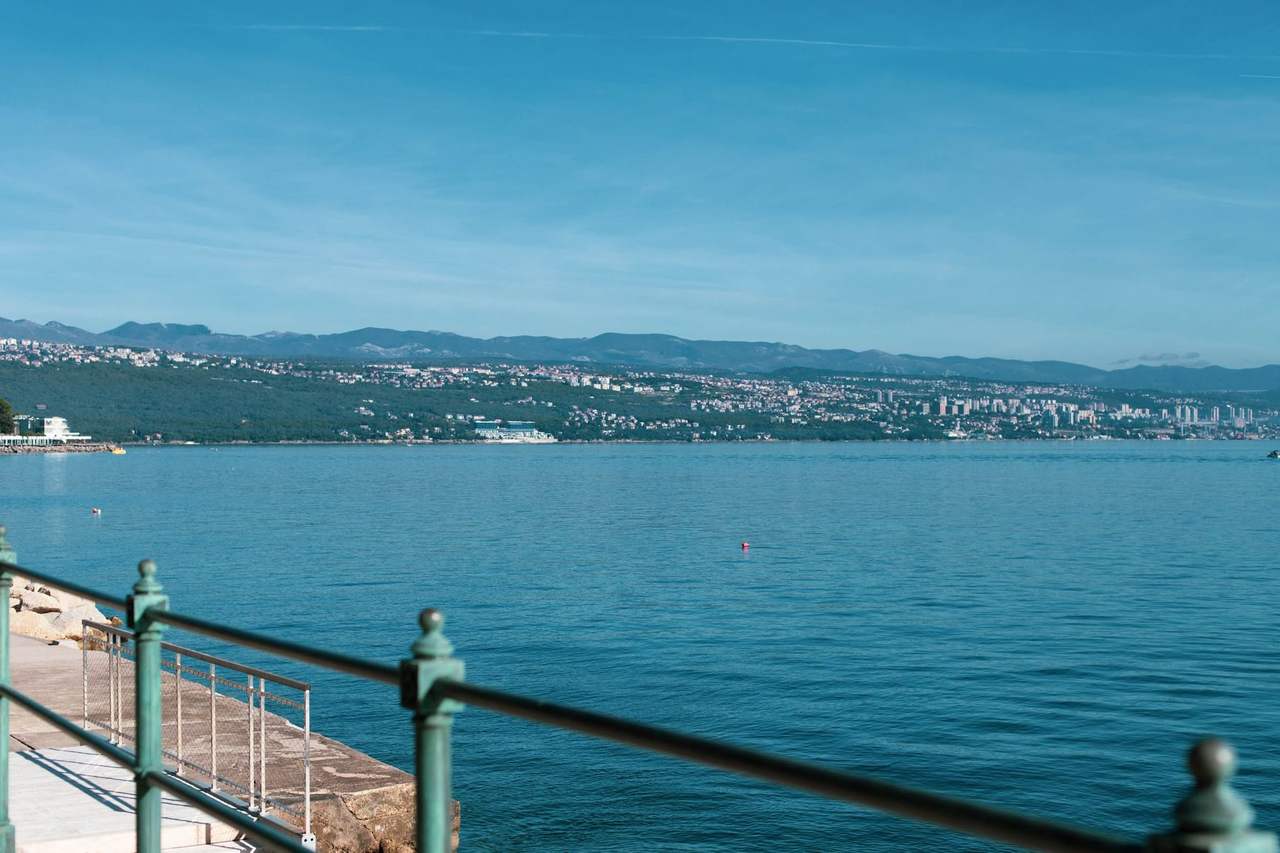
Rijeka
Korzo from the docks — Trsat climb or Opatija hop
Ships berth on Rijeka’s working waterfront below the hillside centre. Korzo, the main pedestrian street, runs a short walk from the docks. A day call is the Korzo–Trsat loop in town — or a hop to neighbouring Opatija. Leave Pula and inland Istria for other ports.
Rovinj
Campanile, harbour walk, one coast stop
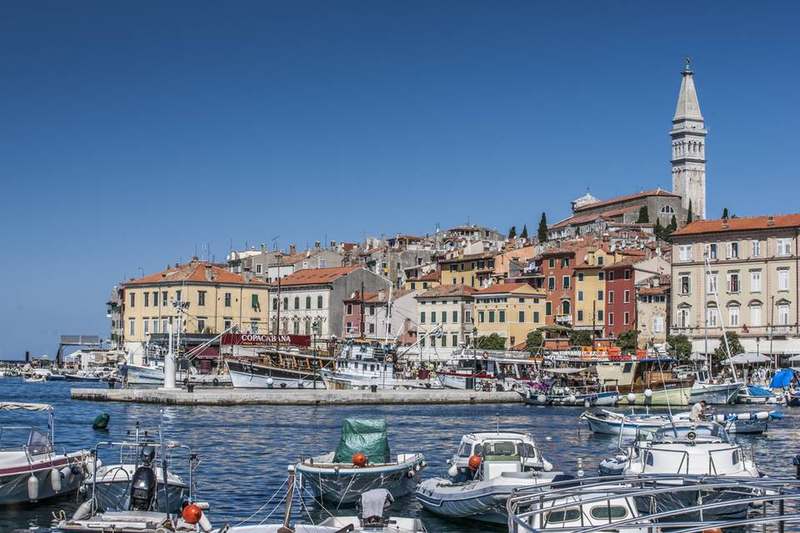
Rovinj sits on a compact Istrian peninsula of pastel houses, narrow lanes and a harbour still used by wooden batana boats. Ships usually tender or berth near the old town. The honest day is St Euphemia’s campanile, the waterfront and one coastal walk — not Pula and the Lim Canal on the same outing. Wear proper shoes; cobbles and stairs are hard on soft sandals.
Salerno
Amalfi Coast gate — coast or Pompeii, not both
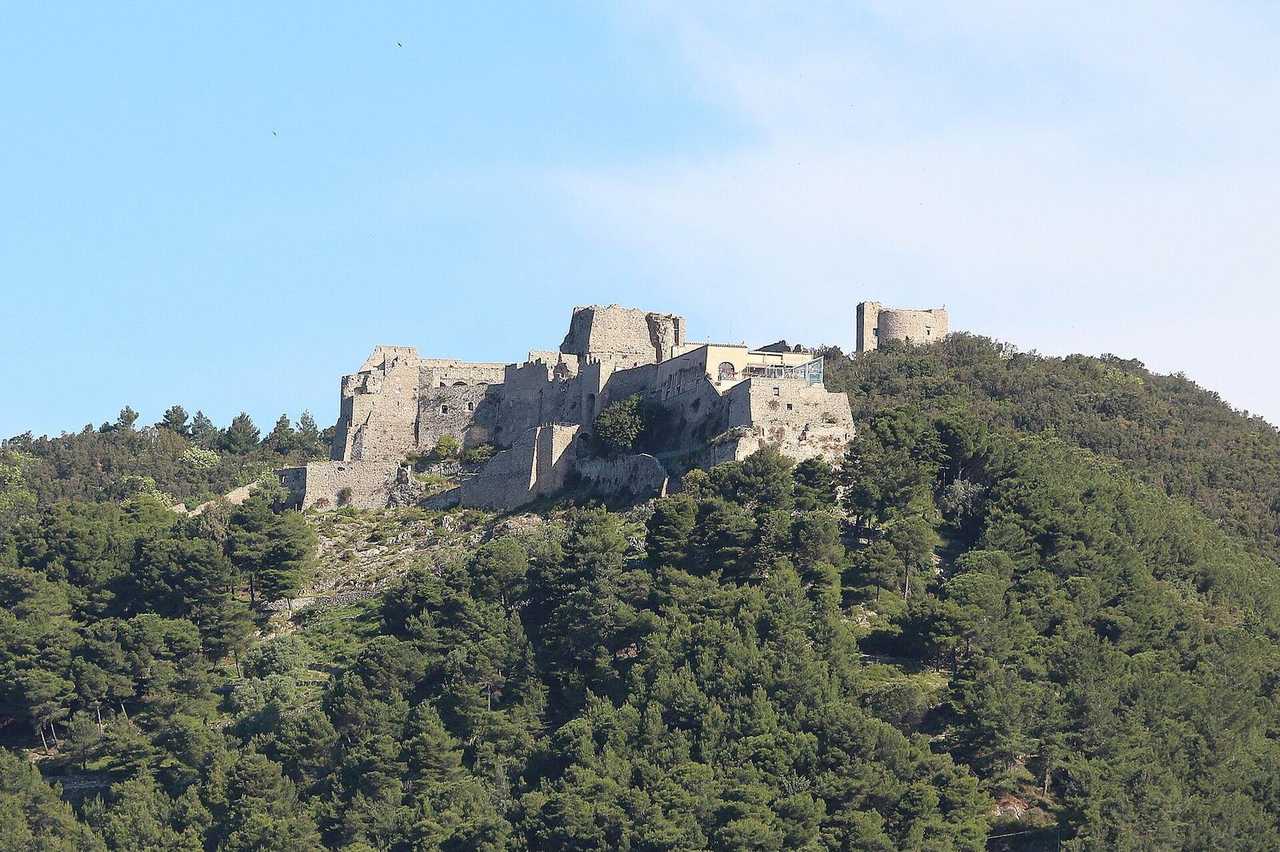
Salerno’s cruise berths sit on the bay below the old town, with the Amalfi Coast road and the Pompeii corridor both reachable. Be honest first: Amalfi or Positano, or Pompeii — not both on a normal call. The lungomare and centro storico fill a calmer day if you prefer to stay in town. Coast traffic is what uses up the hours.
 Sanary-sur-Mer
Provençal harbour market, pastel quay, Bandol either/or
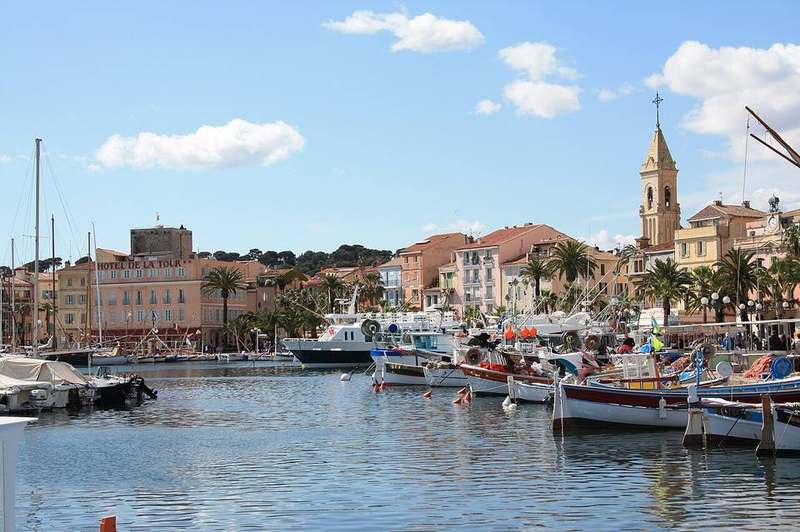
Sanary-sur-Mer keeps a Provençal fishing-port face: market stalls, pastel quay and a compact harbour. Ships often tender close to town. Do the harbour market first. Bandol wine country only as a chosen inland arc, not a rushed add-on after every quay photo.
Santorini
Caldera tender, cable car, Oia or Fira
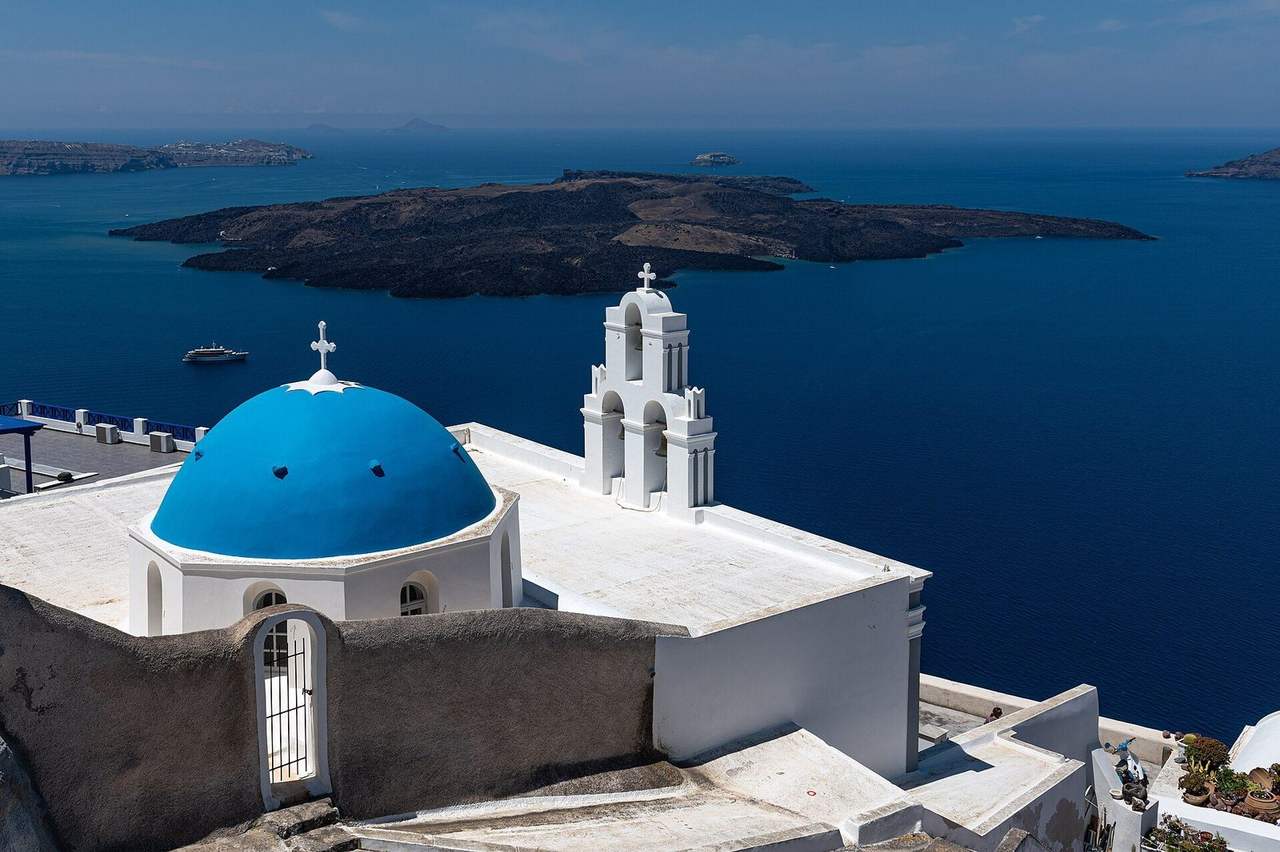
Almost every large ship anchors in the caldera and tenders to the Old Port below Fira. From there you climb by cable car, donkey path or steps — queues are real. Oia and Fira are an either/or on a standard call. Trying both plus a winery usually means a late rush for the tender.
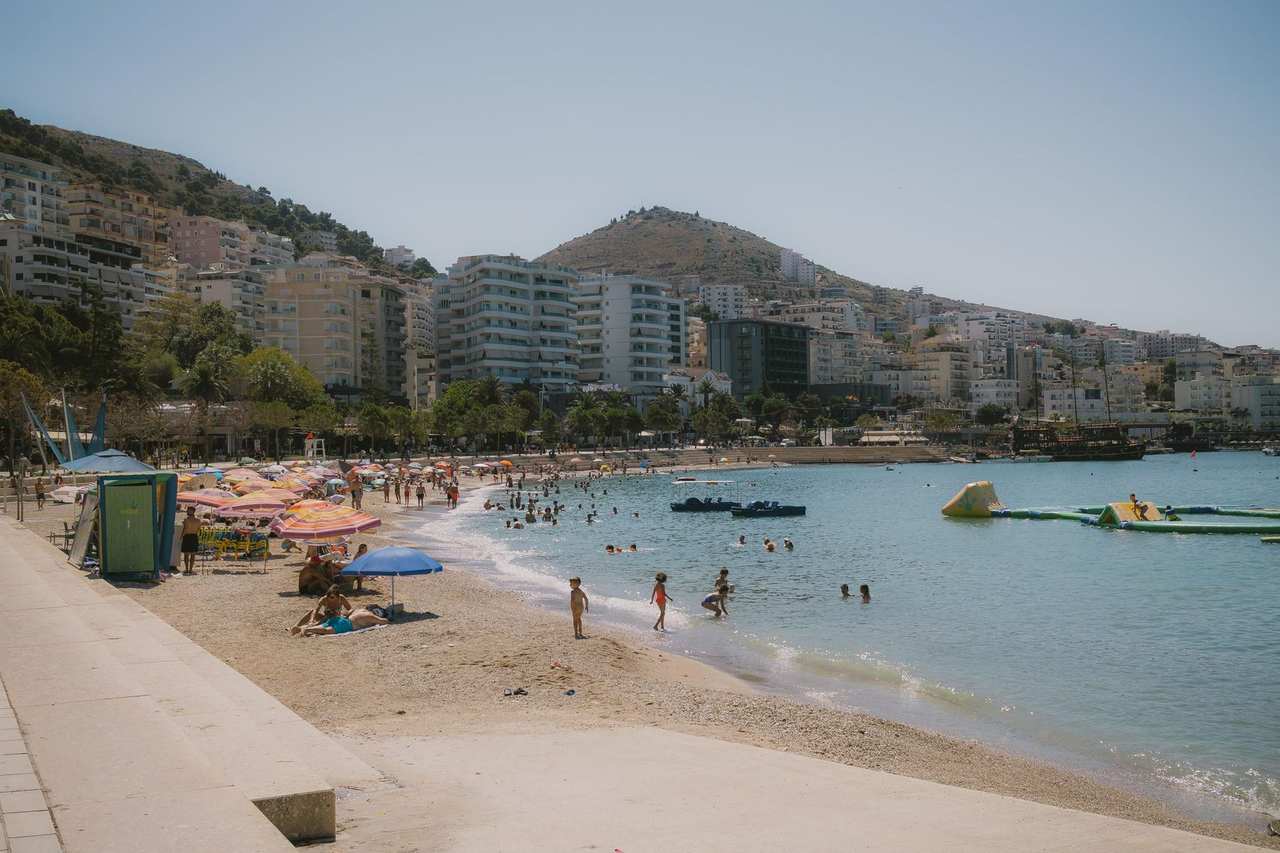
 Sarandë
Corfu channel views — Blue Eye optional
This guide frames Sarandë’s channel views toward Corfu and the optional Blue Eye inland spring. Watch Corfu from the bay first. The Blue Eye is optional on a long call. Butrint is a different archaeology day — see the companion Sarandë guide for that either/or.
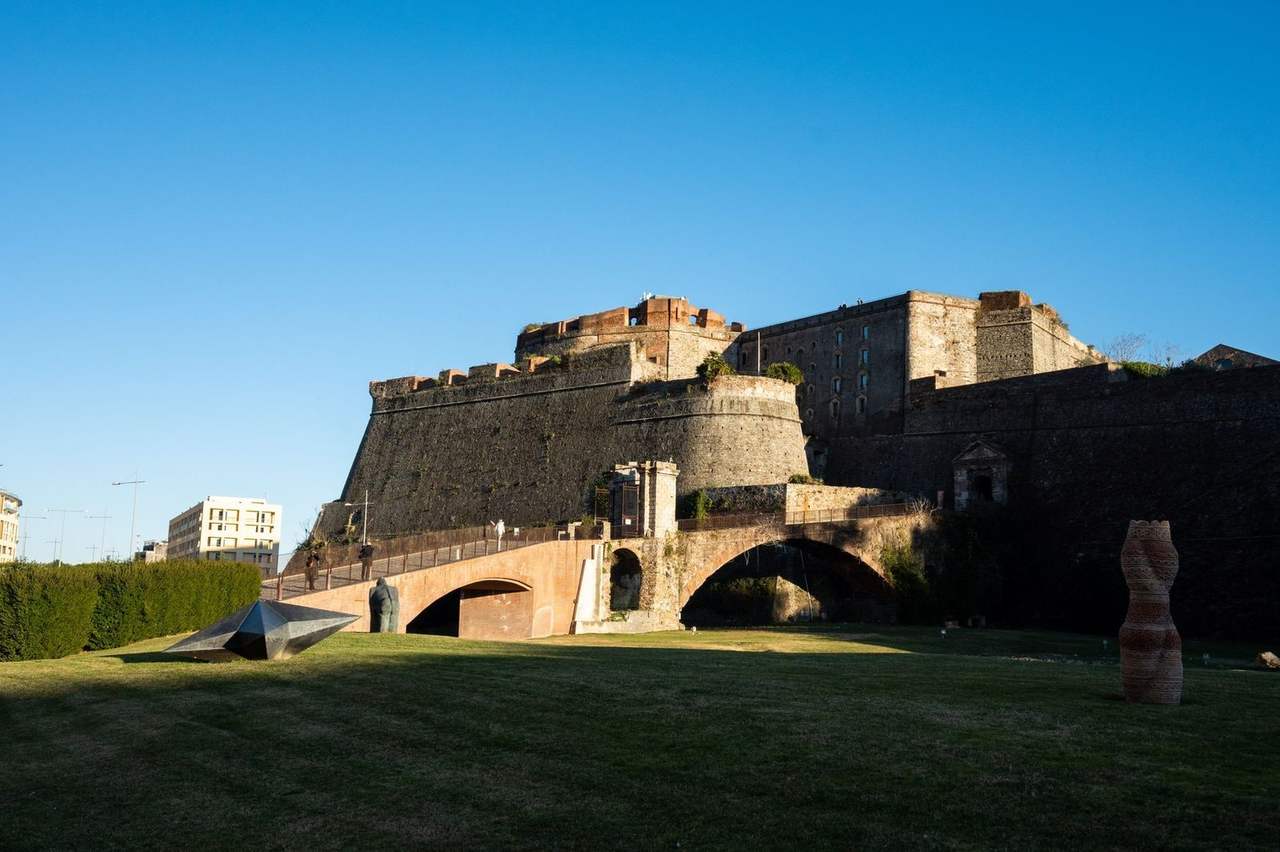
Savona
Priamar fort locally — or a Genoa day
Savona is a working Ligurian port and a common embarkation and day-call harbour west of Genoa. The centre, Priamar fortress and waterfront are walkable from typical berths. Genoa’s old port and lanes are a train or coach trip of roughly forty-five to sixty minutes. Climb the fort or take the train — do not pretend both fit a short call.
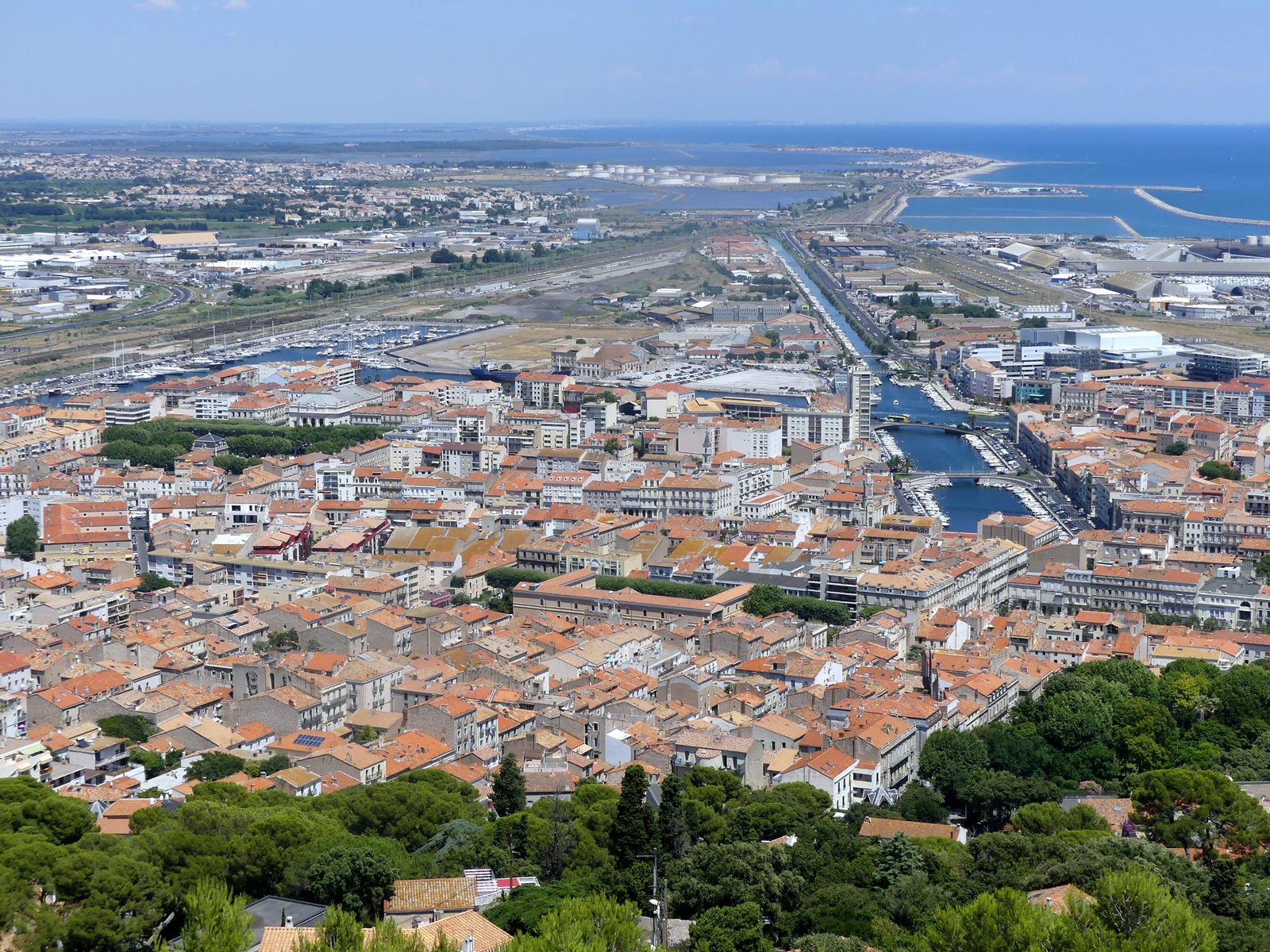
Sete
Canal grid, Mont Saint-Clair, lagoon edge
Sète is a purpose-built Languedoc port that lives on canals, with Mont Saint-Clair above town and the Étang de Thau lagoon beside it. Ships berth near the canal grid. Walk the canals first. The hill is the altitude prize when legs agree. Beaches and lagoon edges are either/or add-ons, not a full stack.
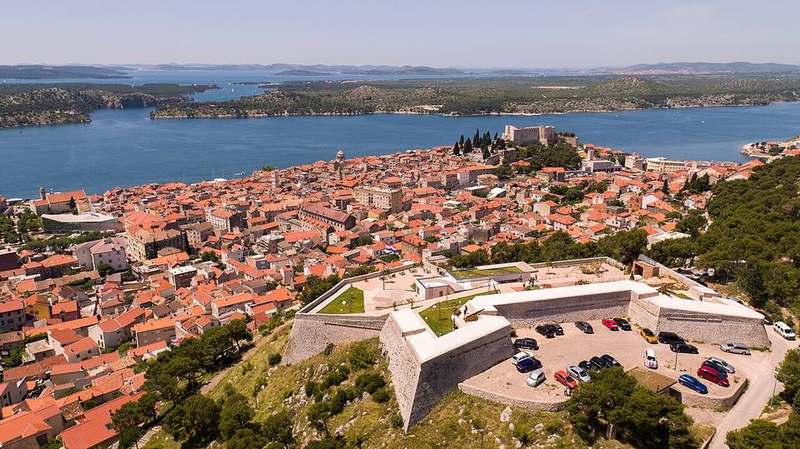
Sibenik
UNESCO stone, channel gate, Krka either/or
Šibenik sits where the Krka River meets the Adriatic through a narrow channel — a Dalmatian stone town with a UNESCO cathedral and fortress views. Cruise days split honestly between the old town and Krka National Park waterfalls; combining both plus every island hop is how the clock wins. St James’s cathedral is the urban reason you came.
Sifnos Island
Kamares tender — Apollonia lanes or one coastal village
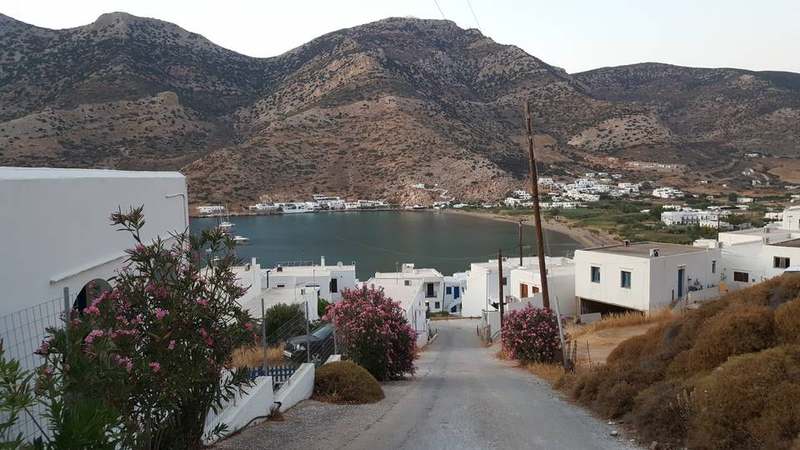
Ships typically tender into Kamares, Sifnos’s harbour bay on the west coast, rather than docking under Apollonia’s hill lanes. A short bus or taxi climbs to Apollonia and Artemonas, or follows the coast toward Vathi or Platis Gialos. Pick the hill-town circuit or one beach village — combining pottery workshops, three beaches and a monastery empties a tender day. Kamares’ bay and the white harbour front are the first frame; the island’s quiet reputation depends on not treating it like a Mykonos checklist.
Skopelos
Sporades green island, white Chora, Mamma Mia coves
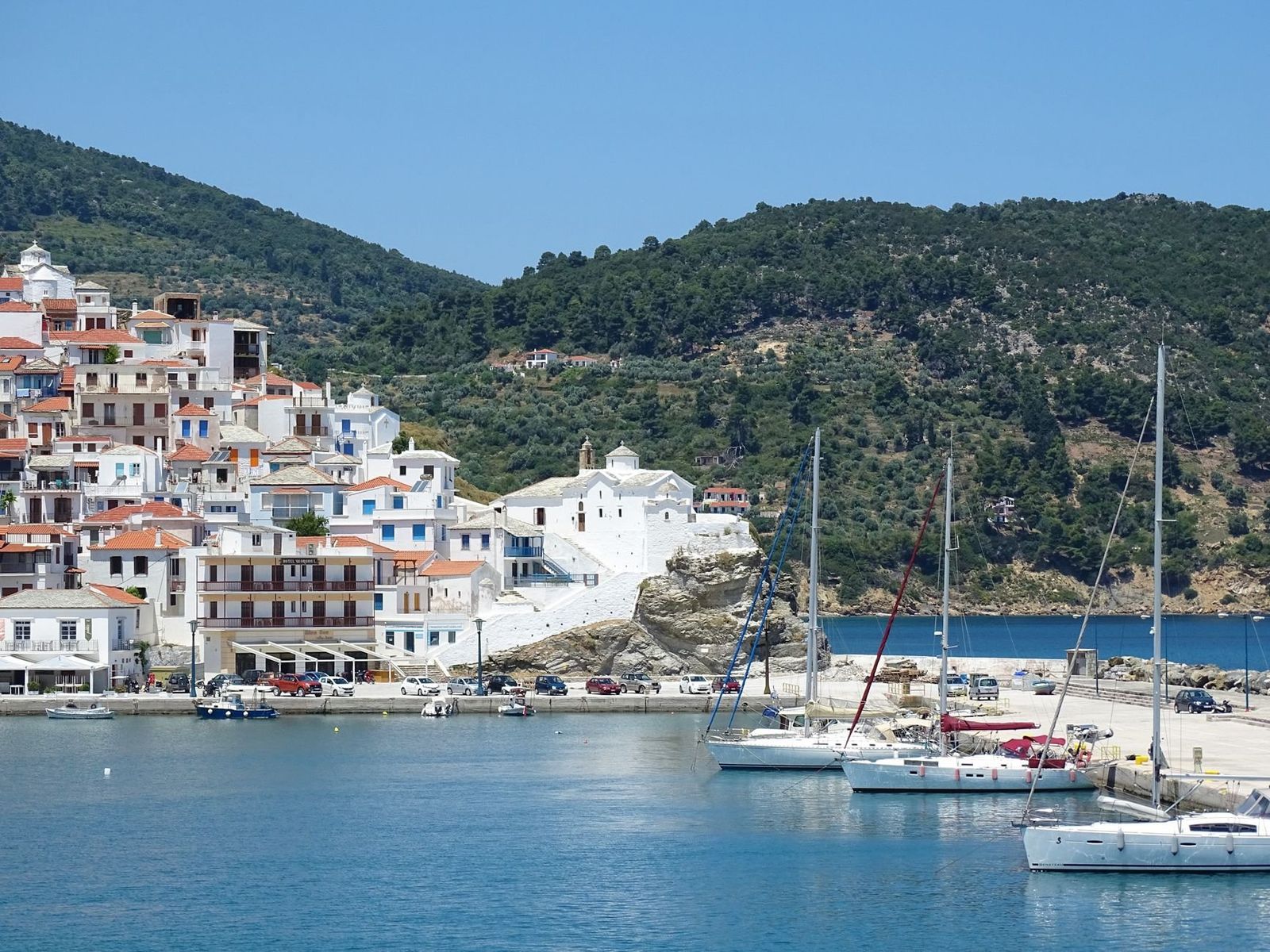
Skopelos is the green Sporades island of pine slopes, whitewashed Chora above the harbour, and cove beaches that film crews made famous. Cruise calls are usually tender days: climb the town lanes, swim one beach, and refuse to chase every chapel on the ring road. Ferry timing and hills set the honest pace.
Sorrento
Cliff town above a tender harbour
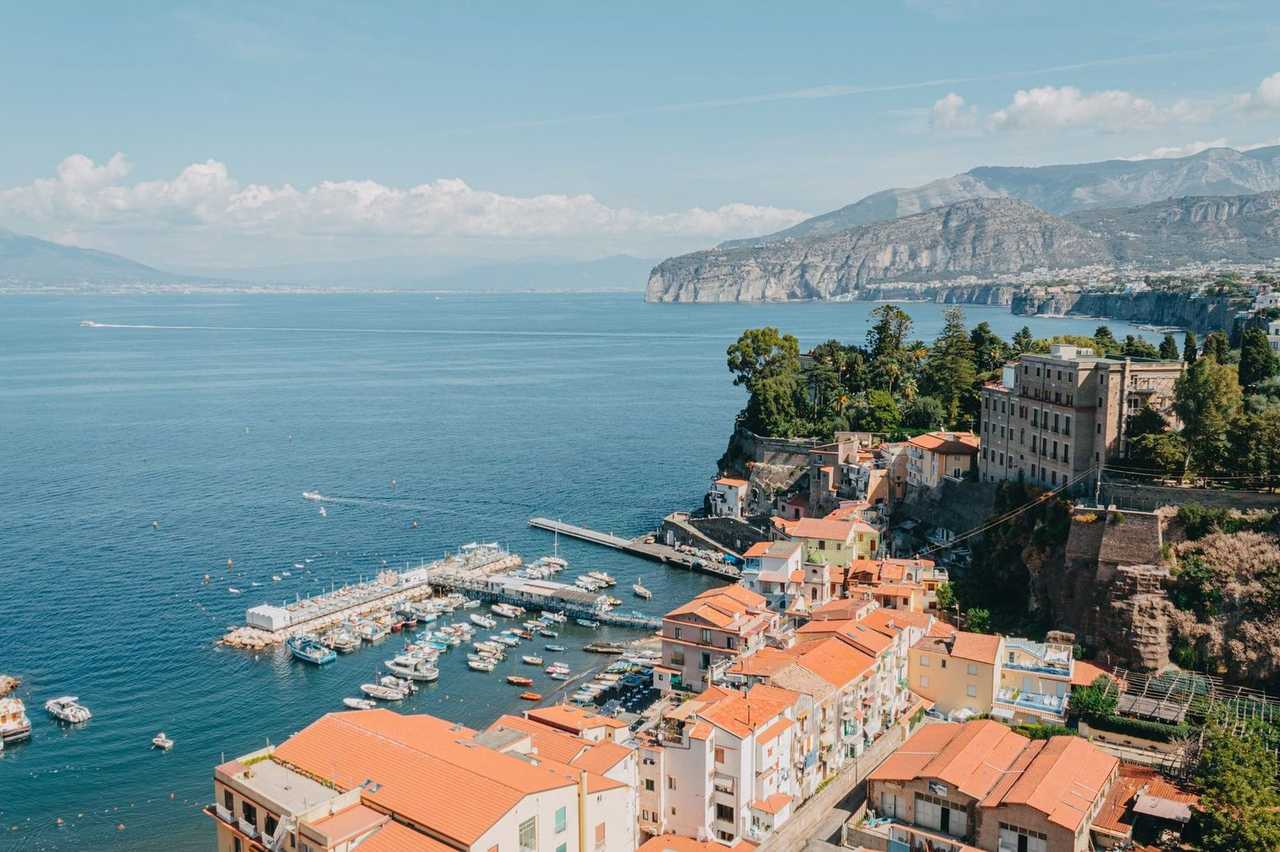
Sorrento sits on cliffs above the Bay of Naples. Most ships anchor and tender to Marina Piccola; the climb or lift into the centro is part of the call. Capri or Pompeii — say it before you leave the queue, and never stack both on a leisurely Sorrento stroll. Marina Piccola sits under the cliff town on the Bay of Naples; Capri and Pompeii are separate full commitments, not casual add-ons after a lemon-grove lunch.
Souda-Chania
Souda bay berth — Chania harbour or one west-coast road
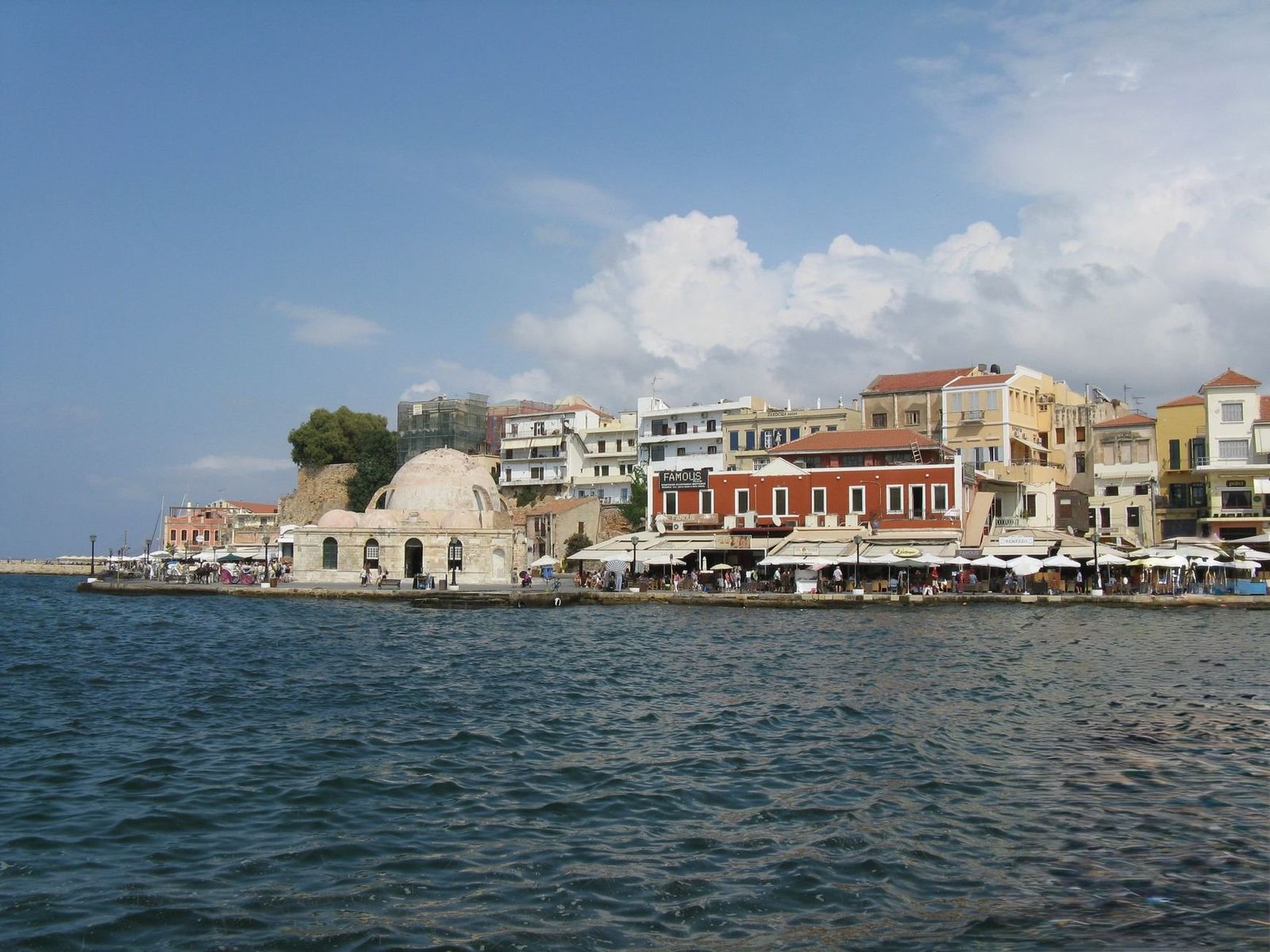
Ships dock in Souda Bay, the deep naval harbour east of Chania, not under the old Venetian harbour walls. A short coach or taxi drops you at the waterfront, the mosque on the mole, and the lanes of the old town. Pick Chania’s harbour circuit or one west-coast outing toward Balos or Elafonisi — combining both empties a standard call. The bay’s naval scale is the first fact: you are ashore at Souda, then choosing how far inland or west the clock will stretch.
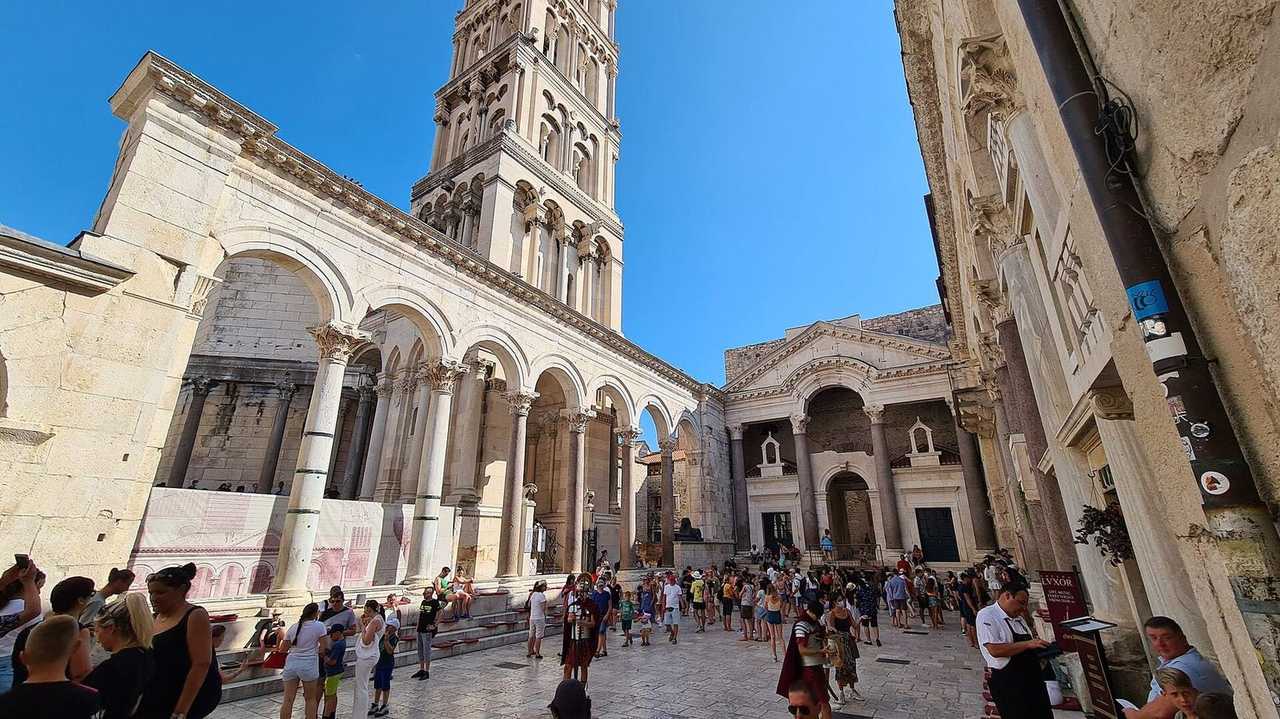
Split
Diocletian’s palace off the gangway
Split’s cruise berths sit beside the Riva and the walls of Diocletian’s Palace. Walk off the ship into a Roman imperial complex that still works as a living old town. Trogir or Krka are optional second acts — the palace cellars, peristyle and waterfront already fill the call. The Riva promenade runs along Diocletian’s Palace walls within walking distance of most berths; Trogir and Krka are long-call either/ors, not casual extras after the peristyle.
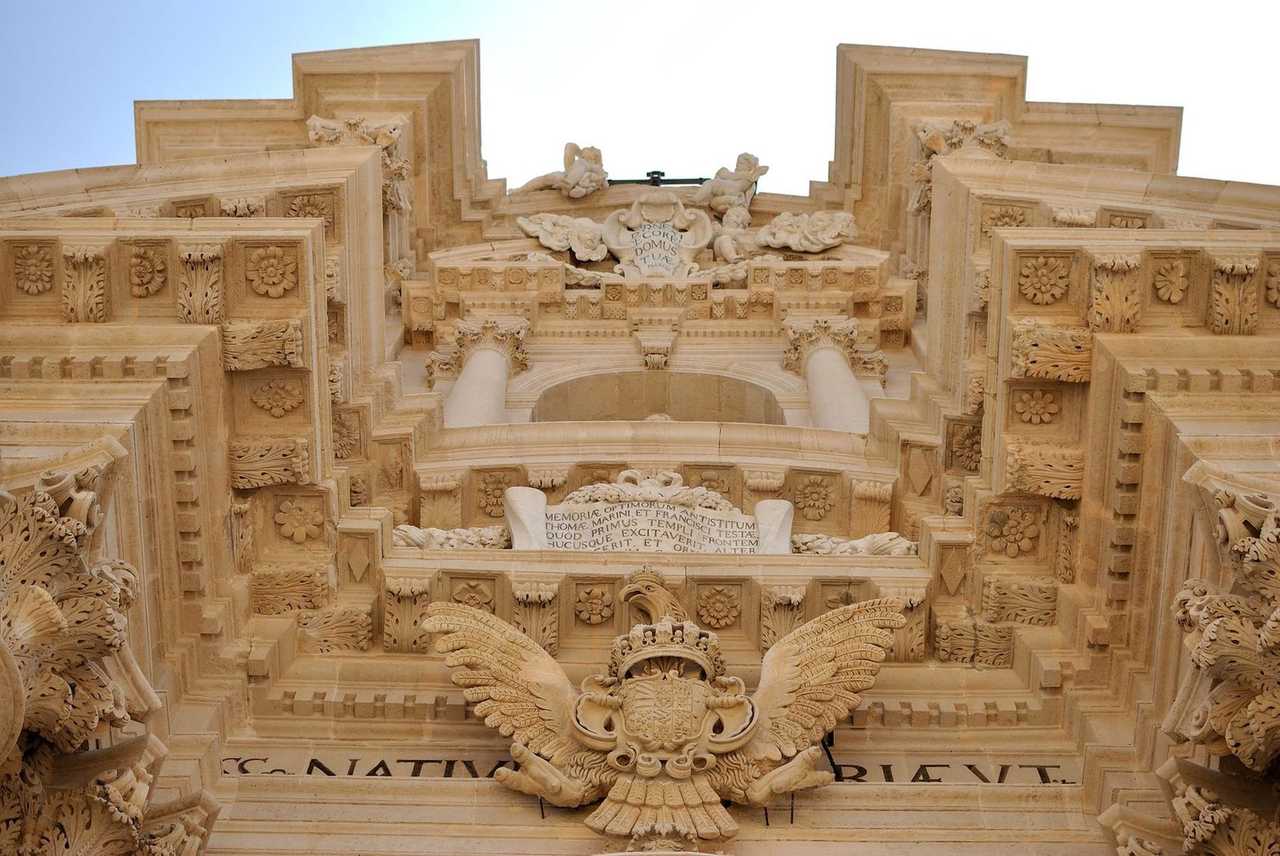
Syracuse
Ortigia first — Greek theatre if the hours remain
Syracuse’s cruise day centres on Ortigia, the limestone island of cathedral square, sea walls and narrow lanes. The Neapolis park with its Greek theatre sits inland. Walk Ortigia properly, then add the park only if the clock still has room — not a sprint to Noto as well.
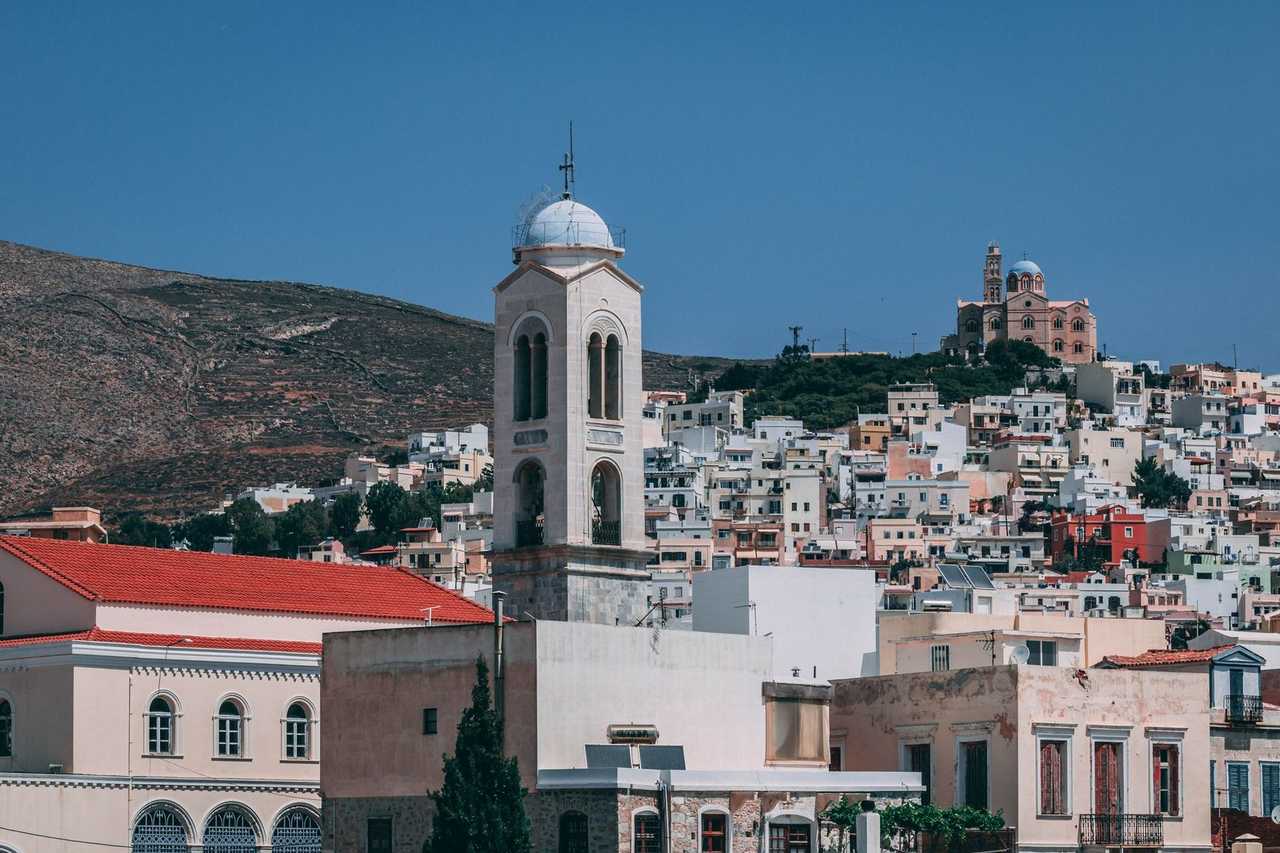
Syros
Ermoupoli marble town above the ferry harbour
Ships and ferries use Ermoupoli, the Cycladic capital on Syros, with neoclassical streets climbing from the harbour. Ano Syros, the Catholic hill town, sits above. Harbour square, Vaporia sea mansions and one hill — not a rushed lap of every Cycladic beach. Ermoupoli’s harbour and neoclassical hillside make Syros feel like a Cycladic capital rather than a white-cube resort; Miaouli Square, Vaporia and Ano Syros fill a walking day.
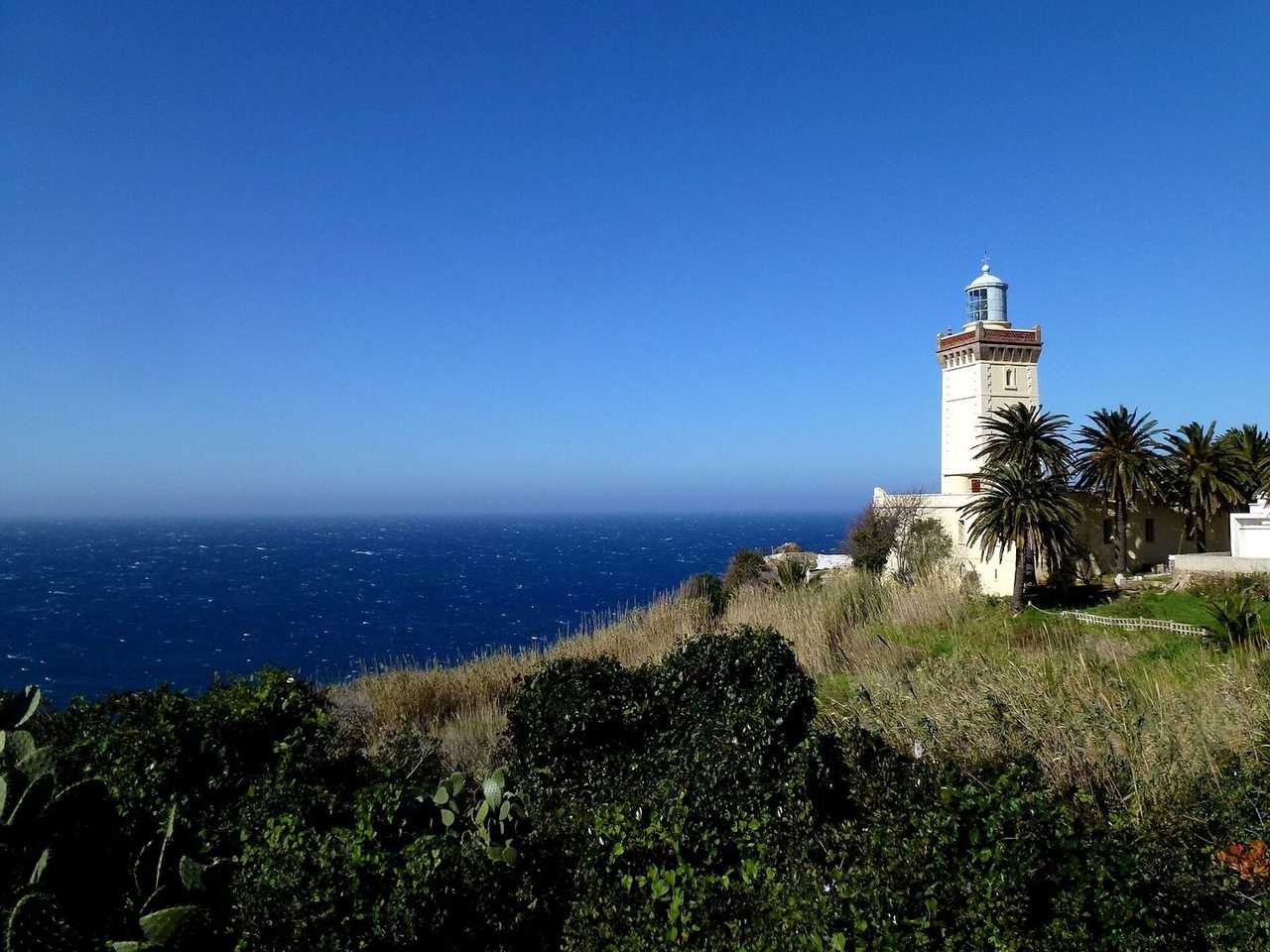
 Tangier
Atlantic headland — Hercules caves and Cap Spartel
When the call is framed around Tanger Ville and a longer shore window, the west coast run becomes realistic: Cap Spartel where Mediterranean and Atlantic meet, and the Caves of Hercules on the same headland. The medina remains available, but this guide treats caves and cape as the primary day — not a rushed add-on after every souk lane. This framing is the Atlantic headland west of town: Cap Spartel and the Caves of Hercules as a road day; the medina is only a brief coda on the way back.
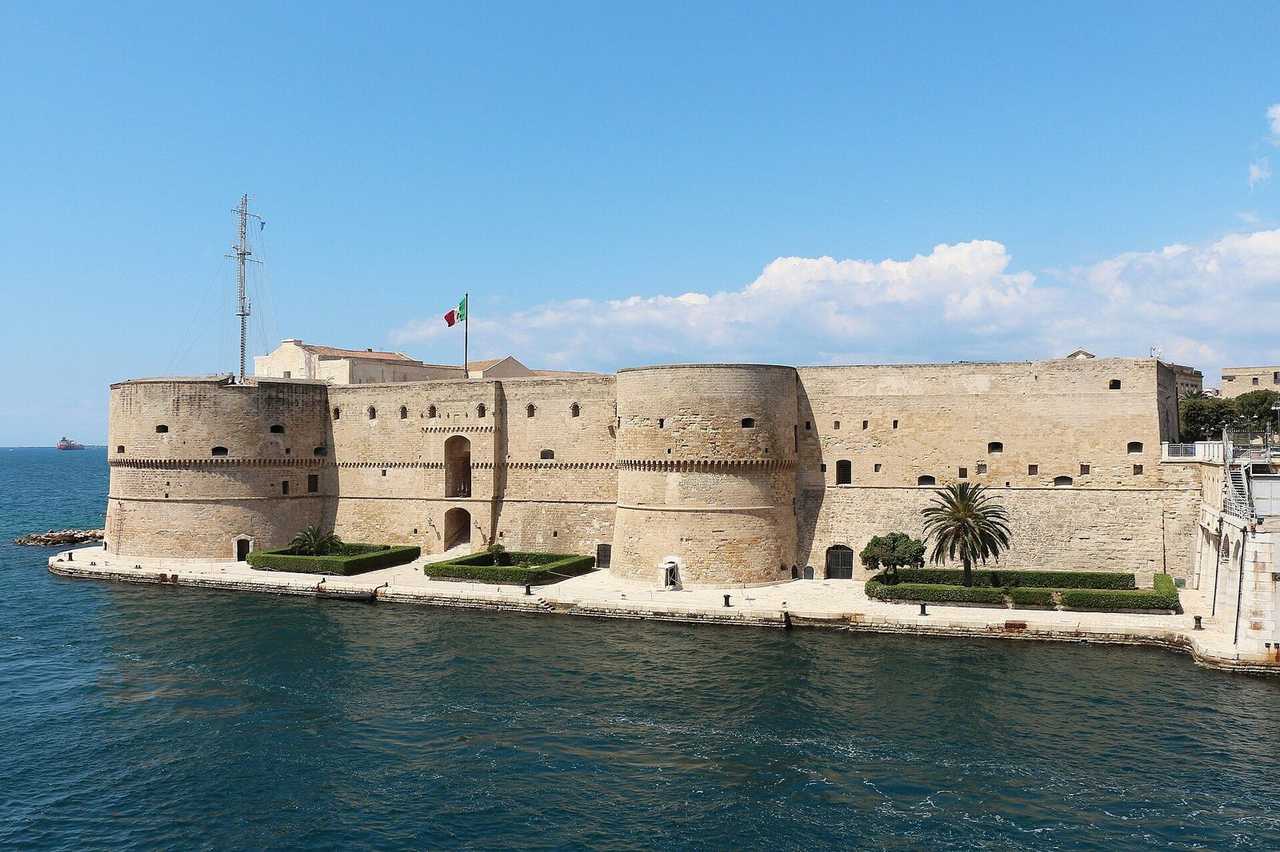
Taranto
Old town island between two seas
Taranto’s centro storico sits on a small island between the Mar Grande and Mar Piccolo, linked by bridges to the modern city. Cruise calls put you near that waterway. Old streets, bridges and the archaeological museum fill the day — not a sprint across half of Puglia. The old-town island sits between Mar Grande and Mar Piccolo with bridges linking the basins; MARTA and the swing bridge organise a local day — Lecce is a different clock.