
 Oslo
Oslo
Harbour, Opera and one park — Bygdøy as either/or
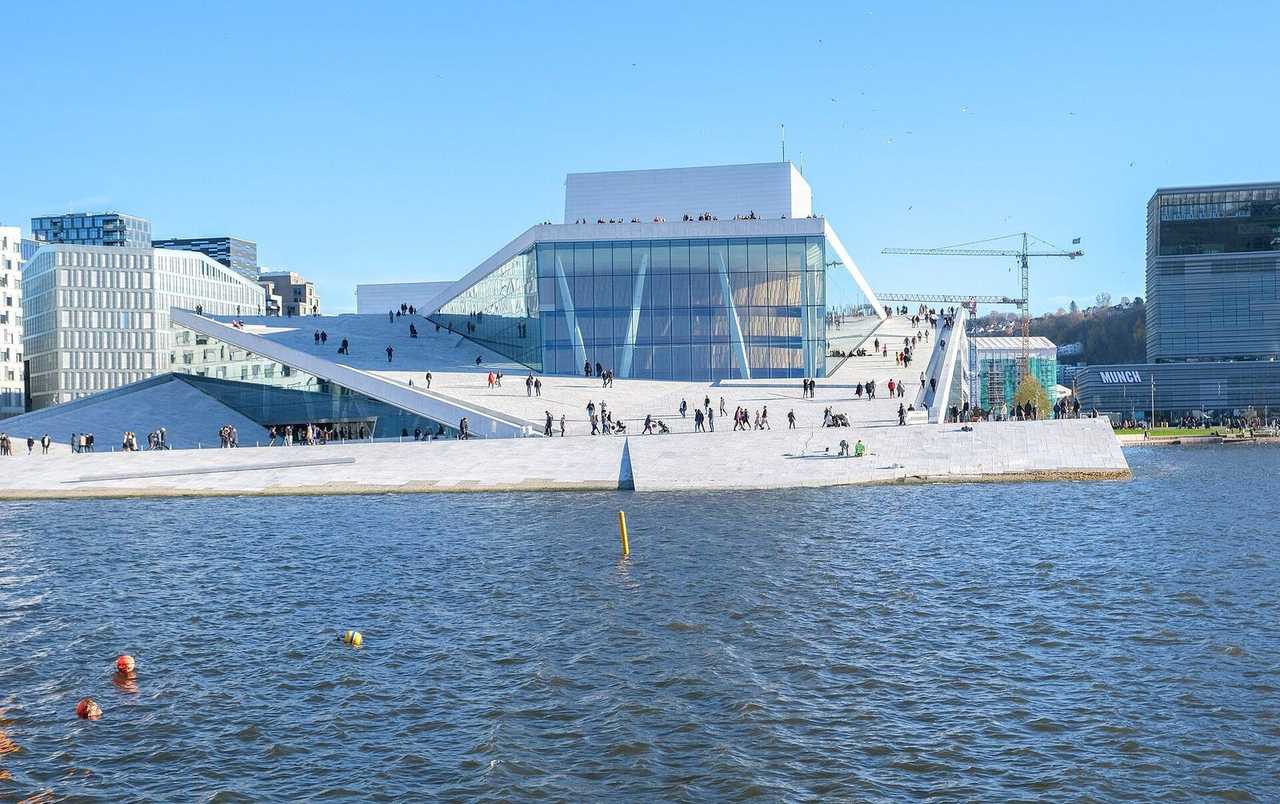
Ships use Oslo’s harbour berths with the centre a short walk or tram hop away. Akershus, the Opera House roof and Aker Brygge fill a tight clock. Vigeland Sculpture Park or the Bygdøy museums are the either/or headlines — not both plus Holmenkollen.
 Oulu
Oulu
Market square and river — Nallikari sand in fair weather
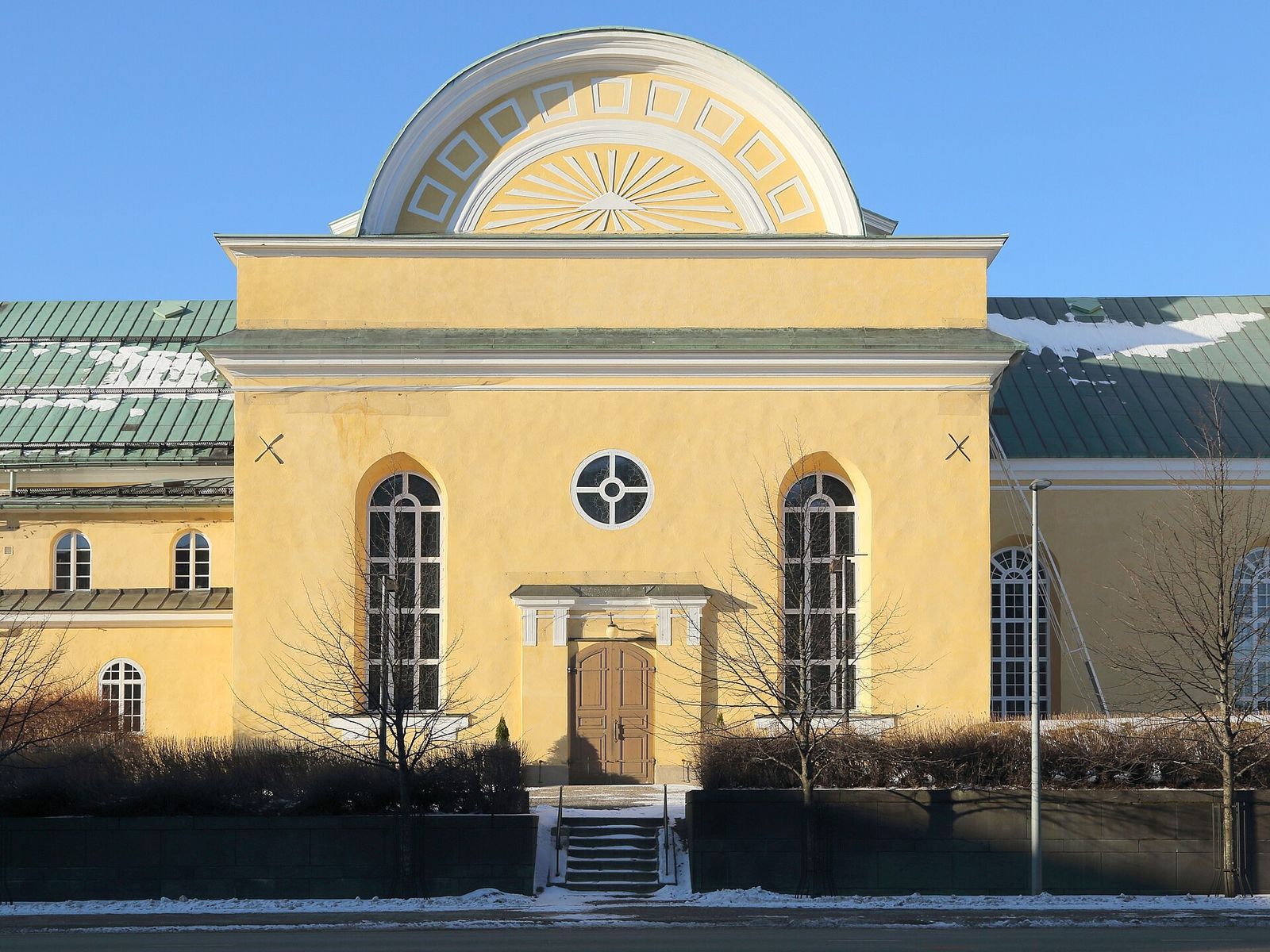
Ships call at Oulu in northern Finland with the market square and river mouth close once you clear harbour links. Nallikari beach is the fair-weather add-on. Far Lapland and Kemi-style ice plans rarely fit a standard city call.
 Paamiut
Guided fjord boat when it runs — settlement as backup
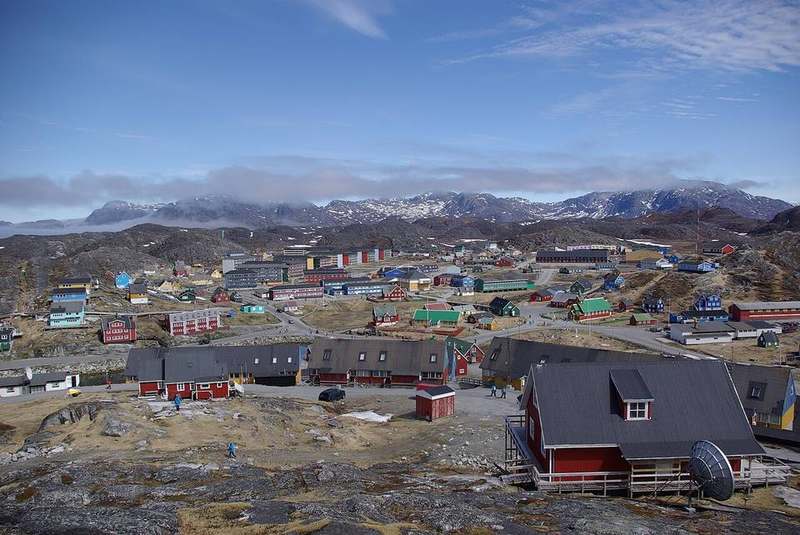
This Paamiut reading leans on guided fjord or coastal boats, wildlife from the water and ice views when conditions allow. The settlement walk is the weather backup. Independent skiff hire is not a casual option — go with the expedition or ship programme.
 Portimão
Sardine river and Santa Catarina — stay local
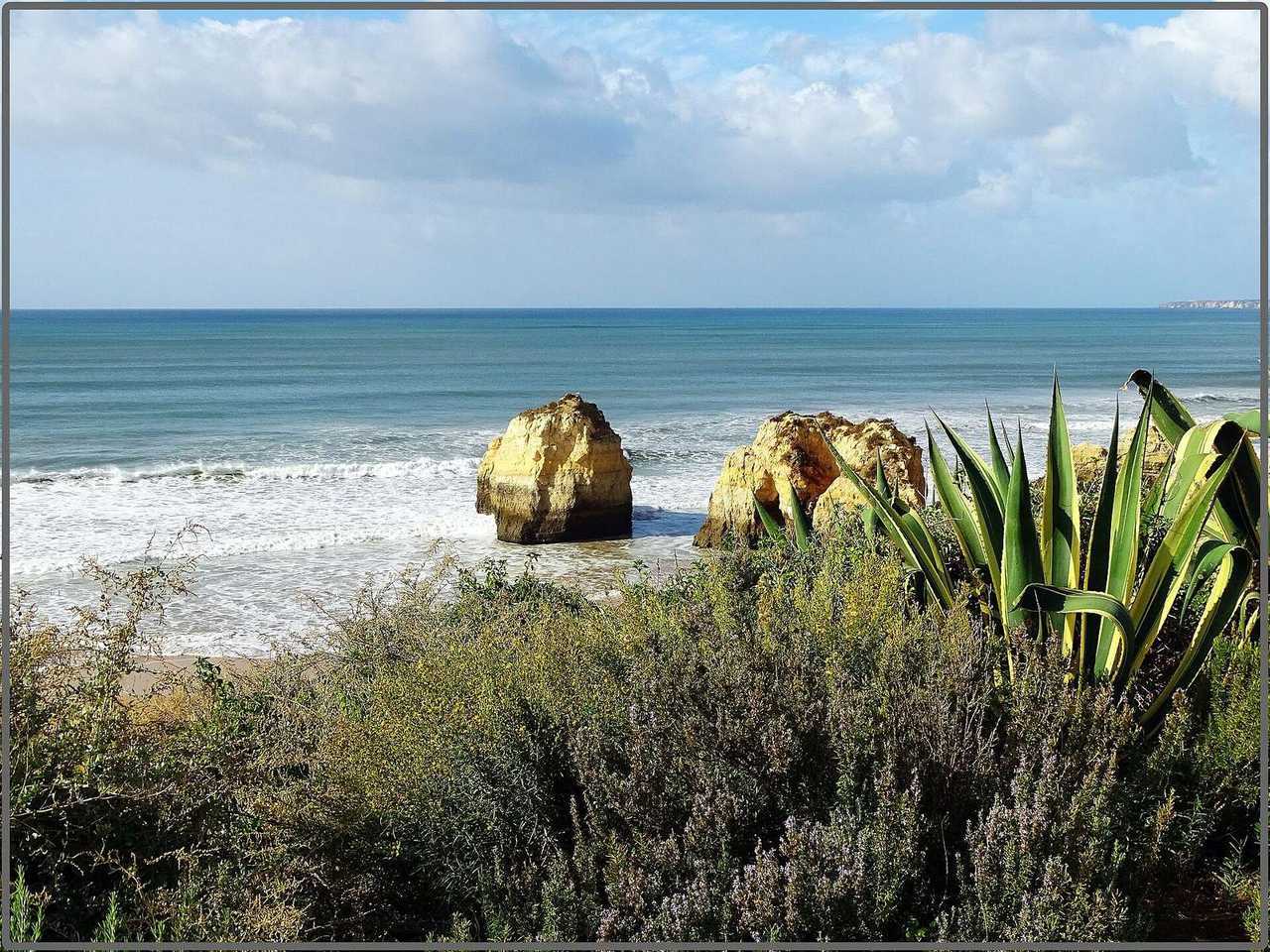
This Portimão reading stays on foot: Arade promenade, Fortaleza de Santa Catarina and the near end of Praia da Rocha. Leave cave touts and Lagos for the wider Portimão day guide when you want boats. Most of this plan works without a taxi if your berth sits on the river.
Porto
Matosinhos berth — Douro prize inland
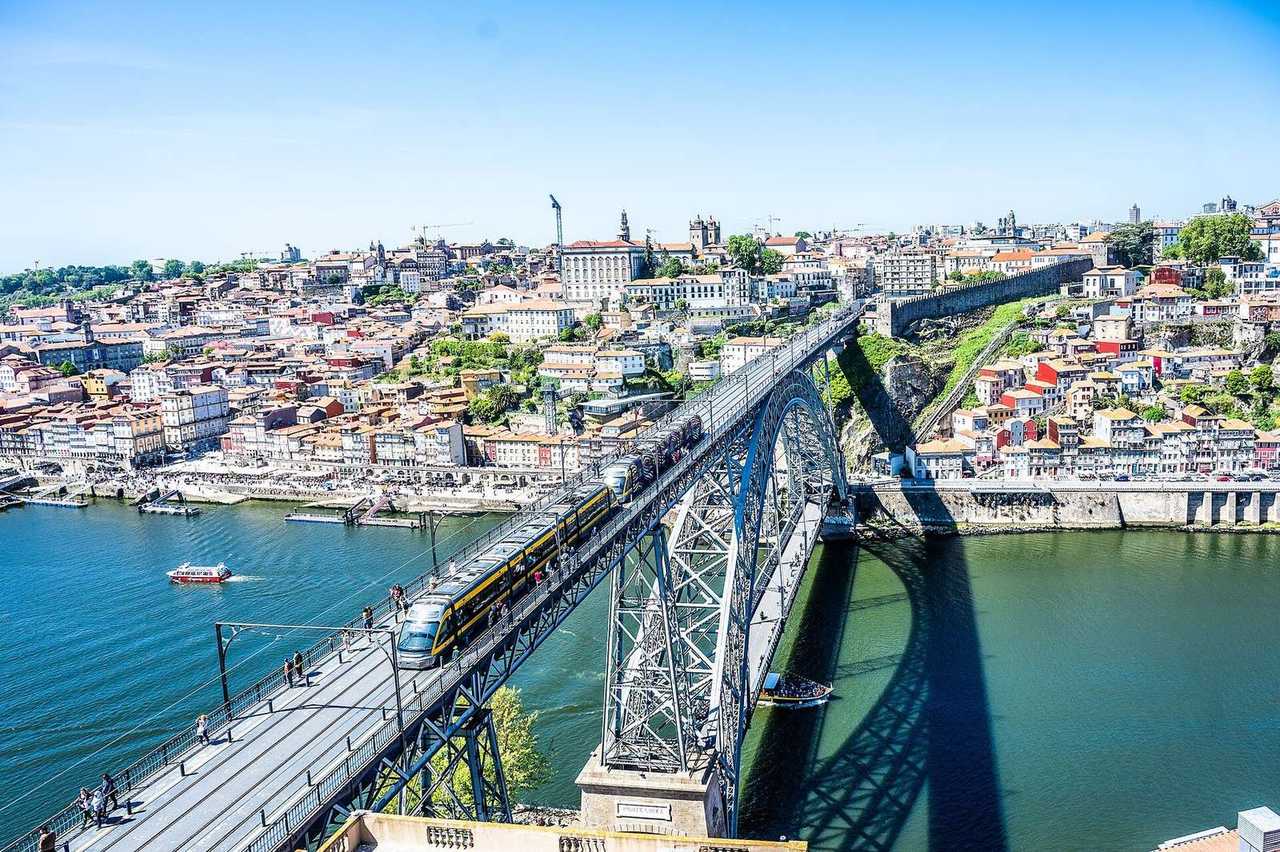
Cruise ships use the Port of Leixões at Matosinhos, not Porto’s Ribeira quayside. Metro, taxi or coach covers the short hop into the Douro city. Ribeira plus one Gaia lodge fills a day. Leave Braga and Aveiro for another visit. Trying to do every viewpoint and a second town before all-aboard usually means a rushed metro scramble.
Qaqortoq
Fountain square, carved rock, one fjord boat
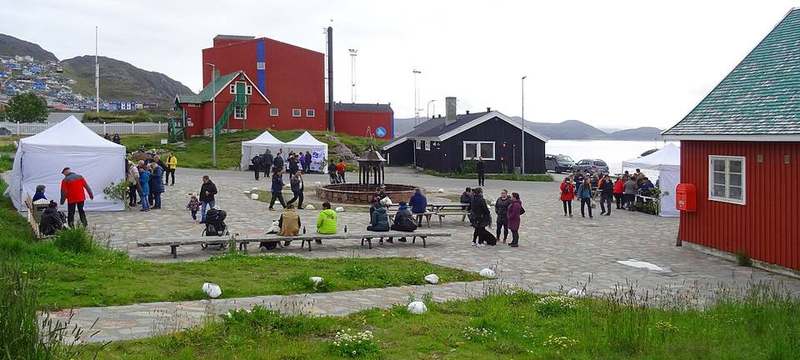
Ships tender or berth beside Qaqortoq’s compact harbour on Tunulliarfik Fjord. The town square, colonial museum and Stone & Man sculpture trail sit within an easy walk. A day call is the settlement and carvings, or one guided boat to Hvalsey. Do not invent an independent skiff plan on a ship clock.
 Reykjavik
Harbour loop or Golden Circle — pick one
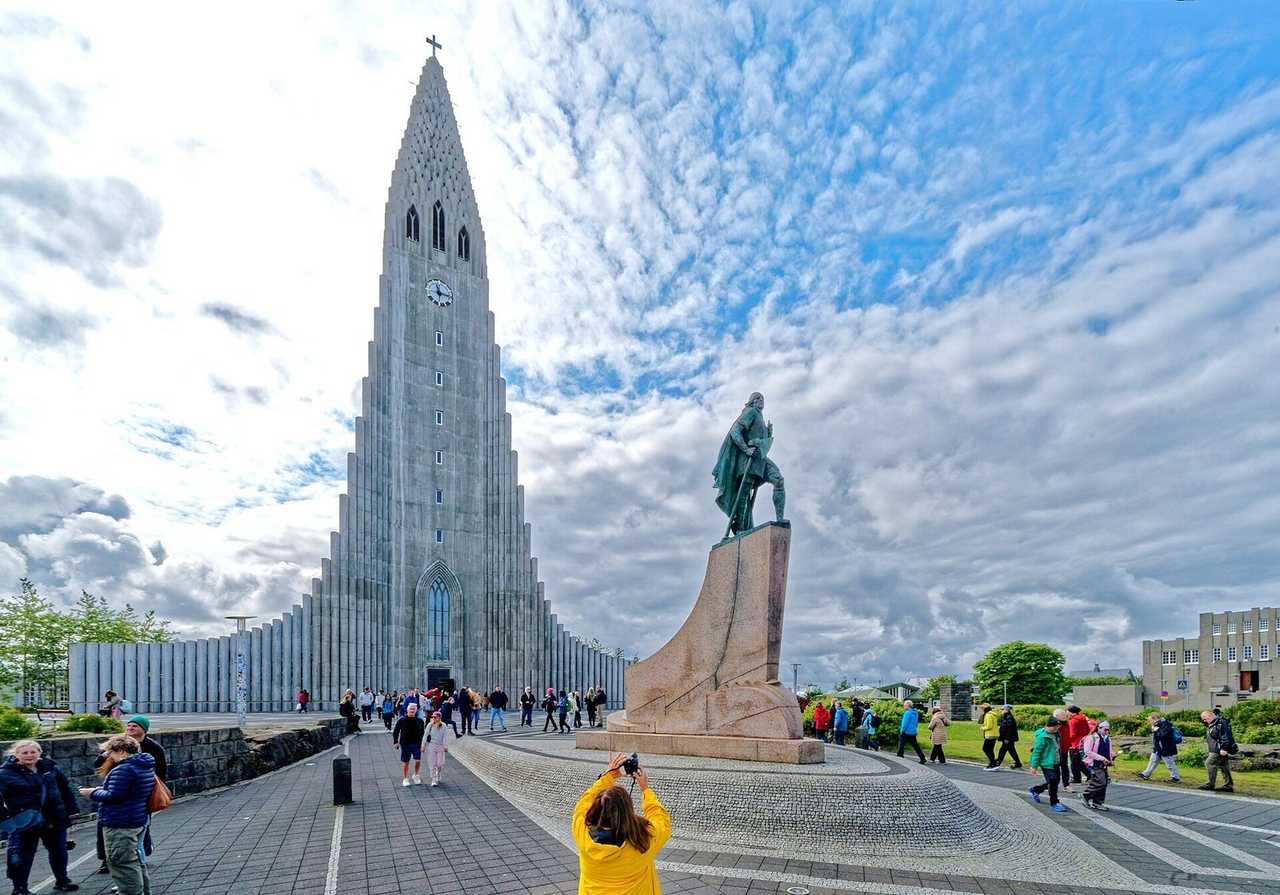
Ships use Skarfabakki and other Faxaflói berths with a shuttle or taxi into the centre; some smaller vessels sit closer to the Old Harbour. A day call is either the harbour–Hallgrímskirkja city loop or a countryside coach such as the Golden Circle. Trying both usually means a rushed return.
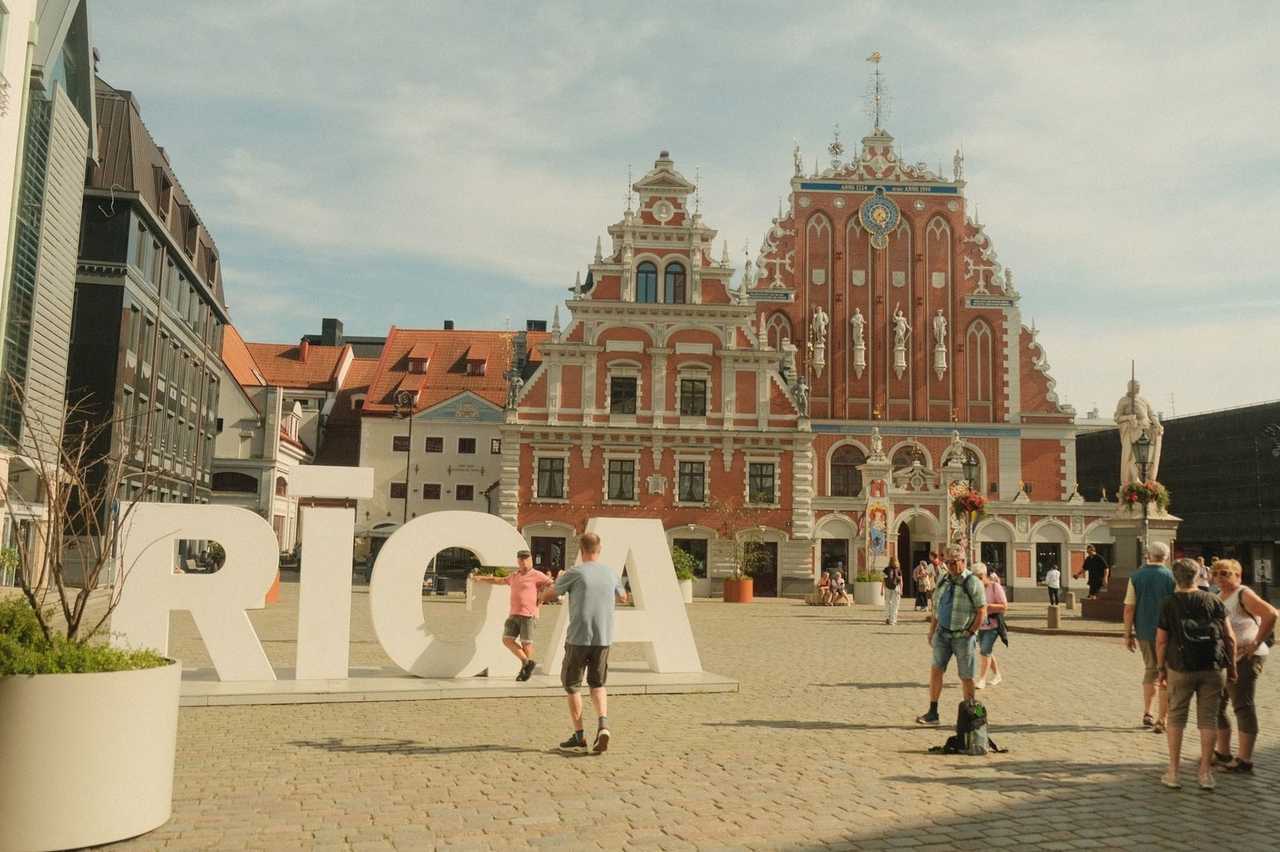
 Riga
Riga
Old Town spires, then Alberta Street façades
Cruise ships use the passenger terminal on the Daugava with a short transfer or walk toward the Old Town spires. A day call is the medieval core and one Art Nouveau quarter — not a stacked Jūrmala beach afternoon as well. Keep the plan to spires plus façades.
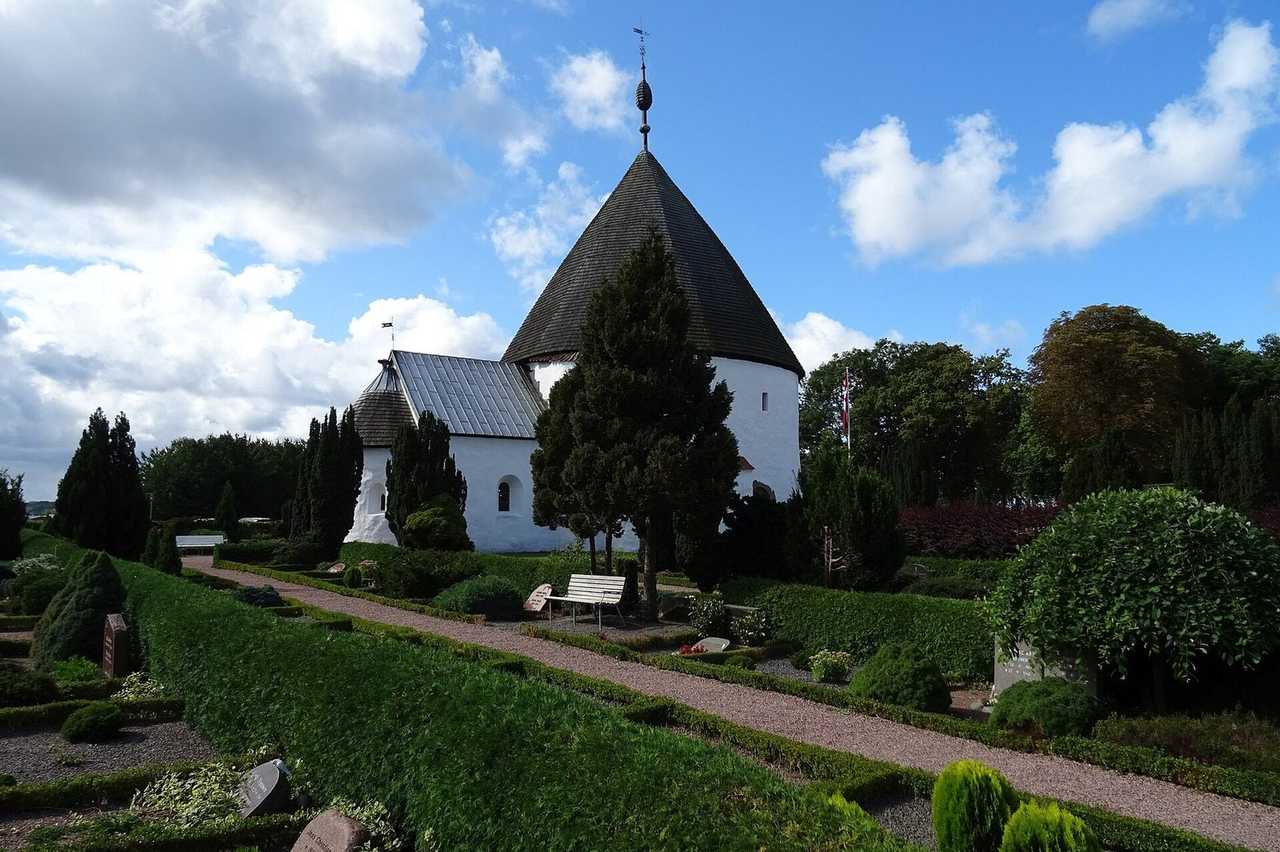
 Rønne
Rønne
Rønne landing — pick one island direction
Cruise ships call at Rønne, Bornholm’s main west-coast harbour. Town centre is close to the pier. Round churches, rocky east-coast villages and smoked fish are the island draws. Walk Rønne first, then one island target — not a full lap before all-aboard.
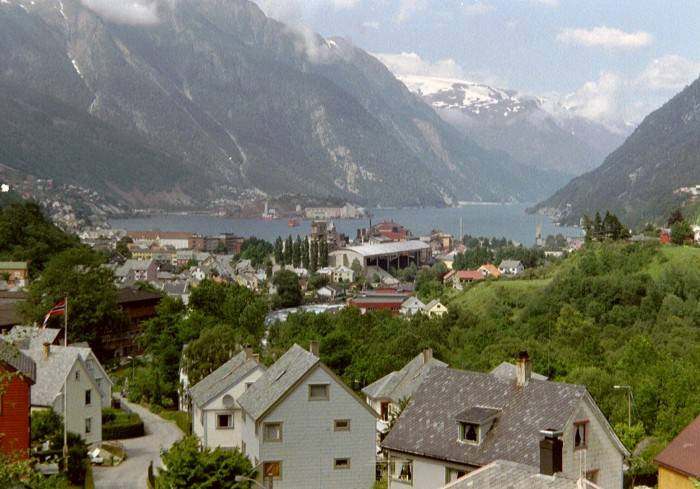
Rosendal
Hardanger ice and fjord walls first
This Rosendal reading puts Hardangerfjord scenery and glacier-country outings first — Folgefonna views, valley transfers and a long look at ice and water. The barony manor becomes optional. For a manor-first day, use the companion rosendal.json guide instead.
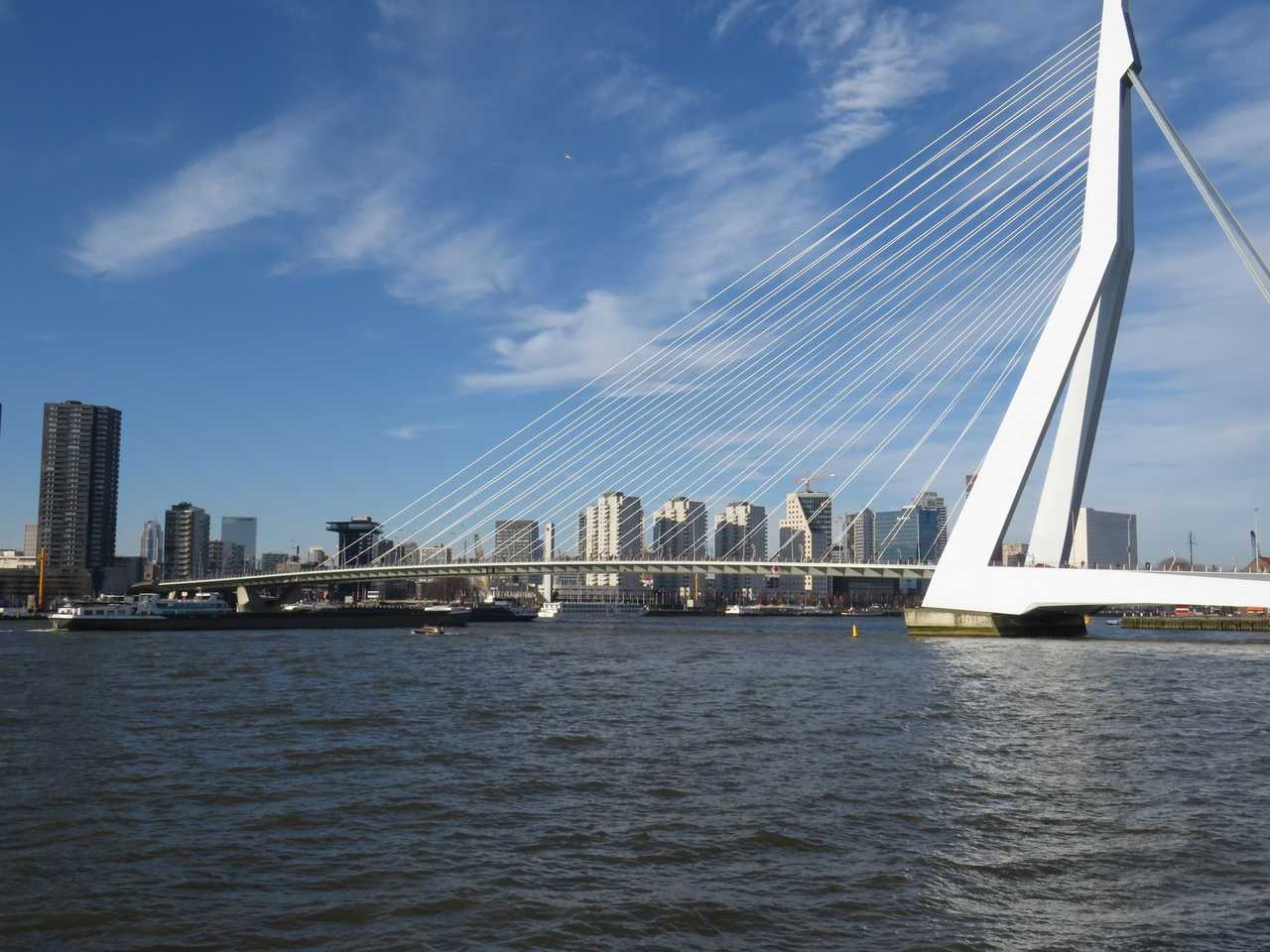
 Rotterdam
Markthal, Cube Houses and Erasmus Bridge
Rotterdam is Europe’s great working port and a centre rebuilt after wartime destruction. Ships use harbour berths with tram and metro links inland. A day call is the Markthal and Cube Houses, the Erasmus Bridge riverfront, then either a harbour boat or one side trip. Leave canal-house nostalgia for other Dutch ports.
 Rouen
Rouen
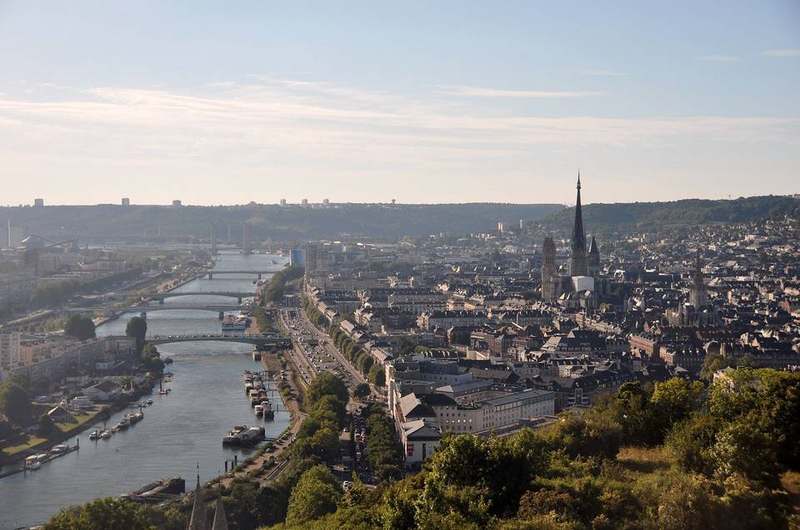
Cathedral, Gros-Horloge and Joan’s square
Rouen is Normandy’s historic capital on the Seine: a cathedral Monet painted obsessively, half-timbered streets and Joan of Arc memory — reached by river cruise berths or longer transfers depending on the quay. A day call is the cathedral quarter. Paris is a long-call alternate with locked recall, not a casual add-on.
 Runavík
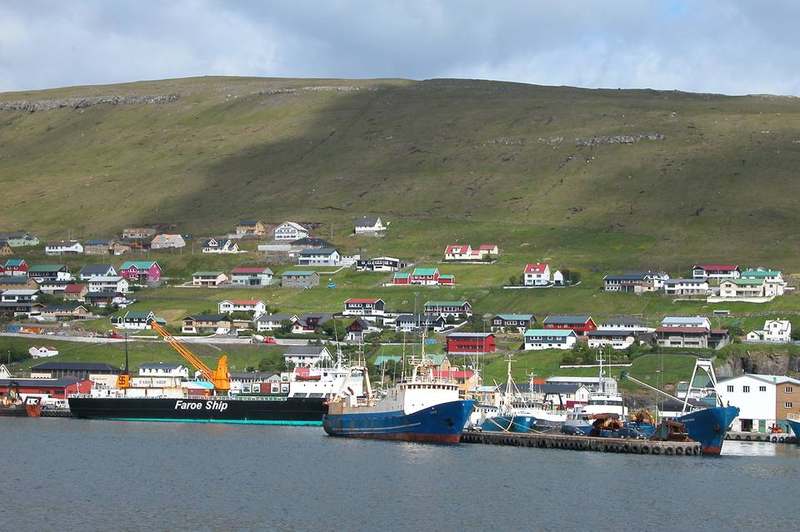
Eysturoy fjord first — Streymoy later
This guide frames Eysturoy island: Runavík sits on the east shore of Skálafjørður, with Streymoy and Tórshavn a tunnel or ferry hop away. A ship day is fjord edge and one island loop — not a checklist of every Faroese village. For a tighter town-and-berth note, see the Runavík guide. Fjord harbour first, cliff villages if the cloud lifts, Streymoy only when hours allow.
Saint-Malo
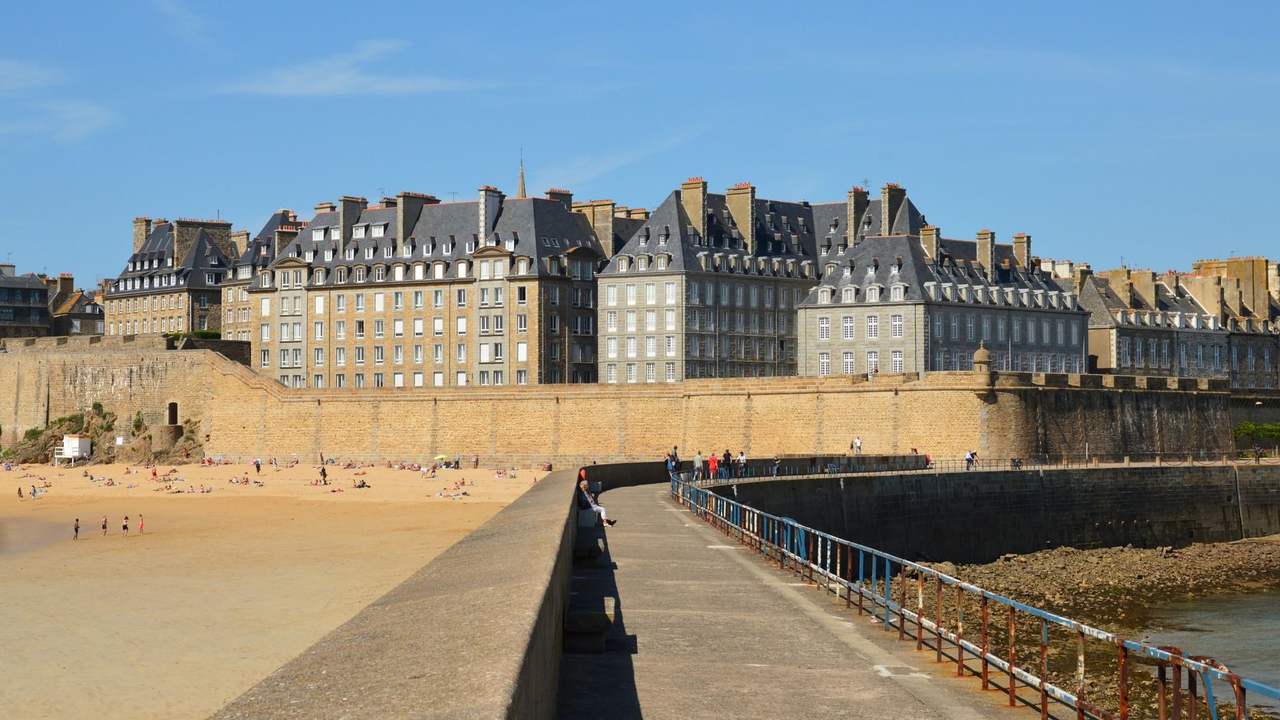
Granite ramparts, corsair harbour, one islet
Saint-Malo’s Intra-Muros still reads as a corsair stronghold above the Brittany tide. Ships berth or tender near the walled town. Walk the granite ramparts once, then choose one beach or the Grand Bé islet. Leave Mont-Saint-Michel for a longer day with a locked return.
 Santander
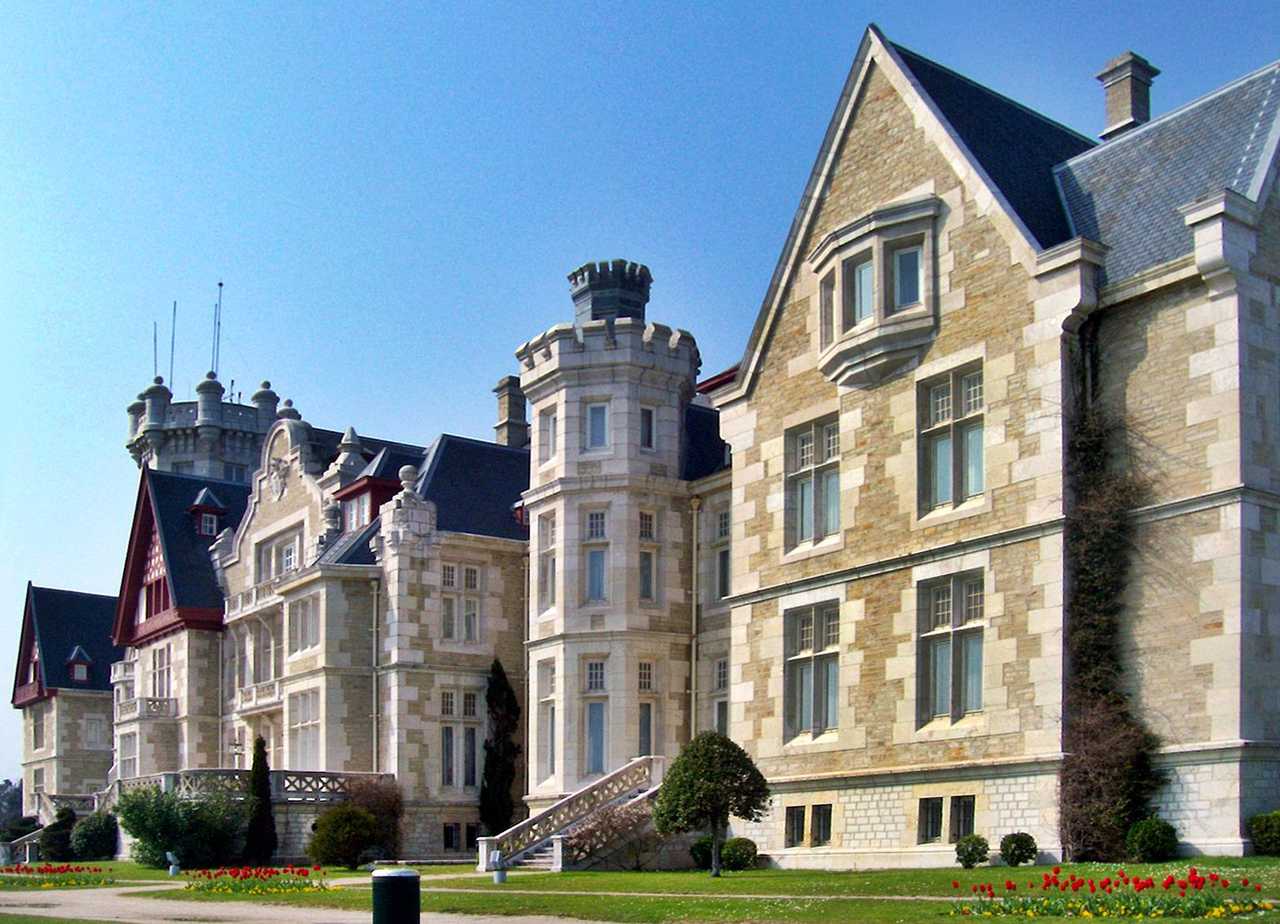
Magdalena palace and El Sardinero sands
This guide frames Santander’s Magdalena peninsula and El Sardinero sands — the royal summer shore rather than the commercial harbour alone. Palace gardens or long sands: pick the open-air plan. The harbour town is the fallback when wind owns the peninsula.
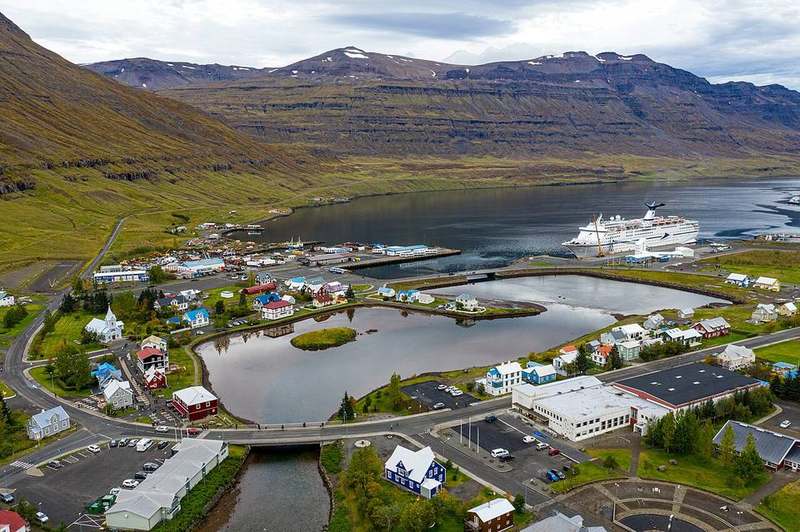
Seyðisfjörður
Coloured fjord town — street, church, one waterfall
Seyðisfjörður is a coloured timber town on a deep Eastfjords inlet, with steep walls and waterfalls framing a walkable harbour. Ships berth near the centre. Walk the coloured street and one waterfall path. The mountain pass can wait for a longer call.
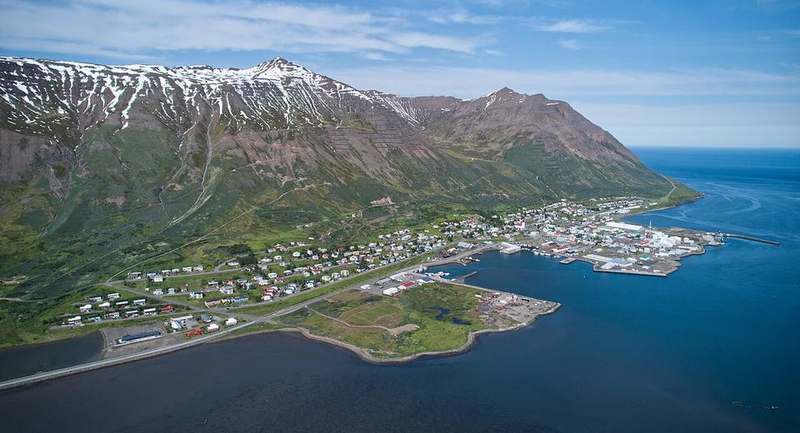
Siglufjordur
Herring-era north harbour and tunnel-linked fjord town
Siglufjörður is a dramatic north-Iceland fjord town once famous for herring boom wealth — colourful harbour, world-class herring museum, and mountain walls after the tunnel road arrived. A cruise day fits museum depth and a town walk, maybe one short hike. Do not add Akureyri-plus-Mývatn stacks from this berth without a brutal clock check.
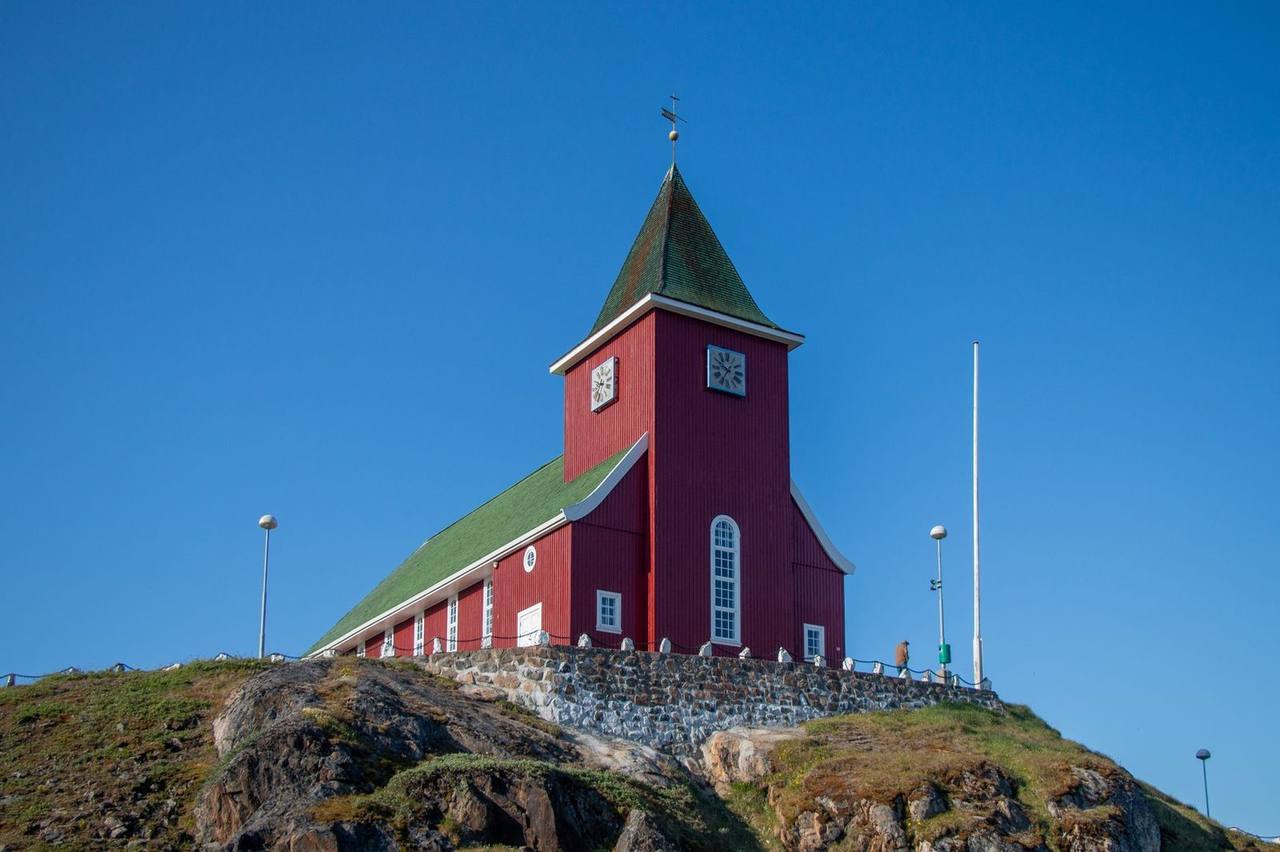
Sisimiut
Arctic Circle town — harbour, museum, one ridge
Sisimiut is Greenland’s second town, on the west coast north of the Arctic Circle. Ships use the harbour or tender into a colourful settlement of wooden houses, a museum and hiking trails into bare rock and tundra. A day call is town paths and one ridge or boat outing — weather decides what else is possible.
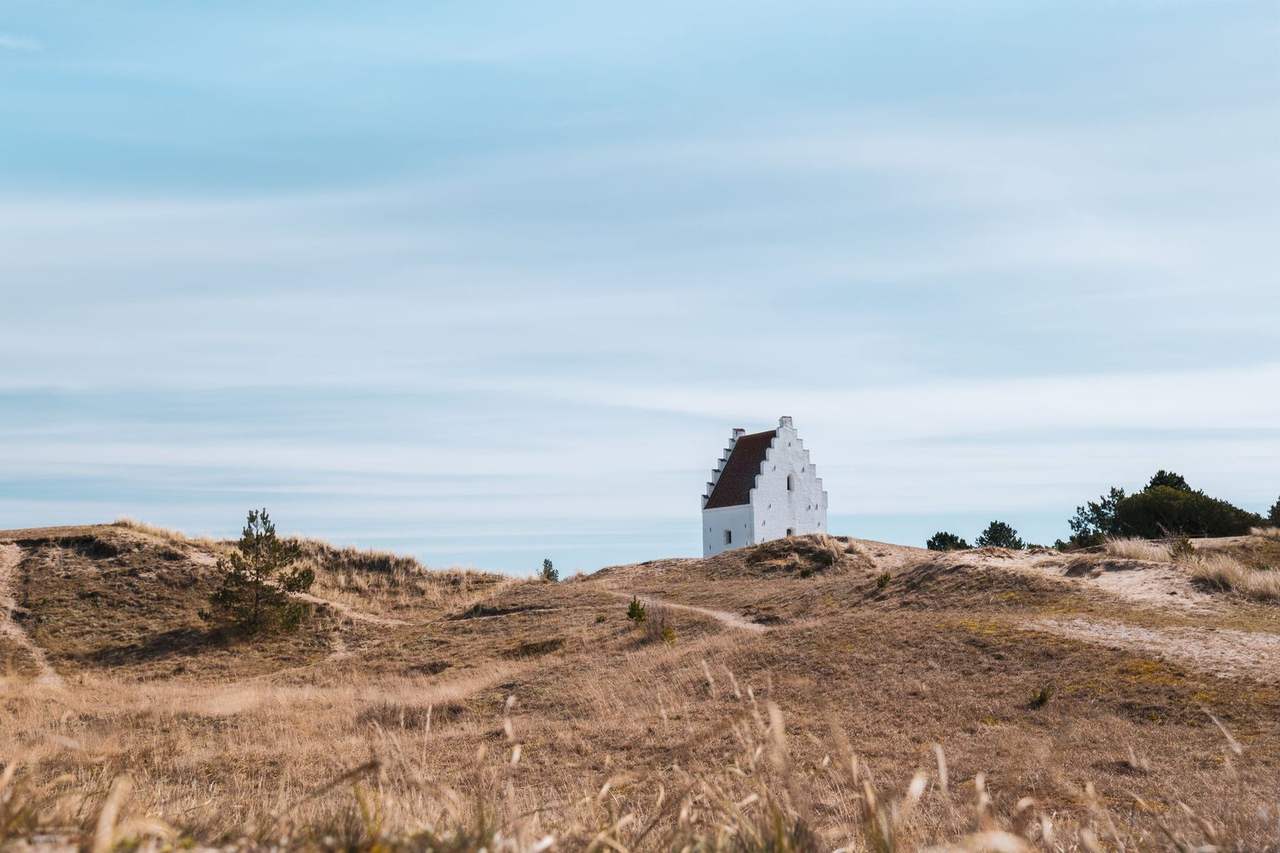
Skagen
Grenen tip where two seas meet — yellow town after
Skagen sits at Denmark’s northern tip. Ships use the harbour with a short hop into the yellow-plaster town and a further transfer to Grenen, the sand spit where the Skagerrak and Kattegat meet. A day call is town and Grenen — the buried church and dunes fit around that spine, not instead of the tip.
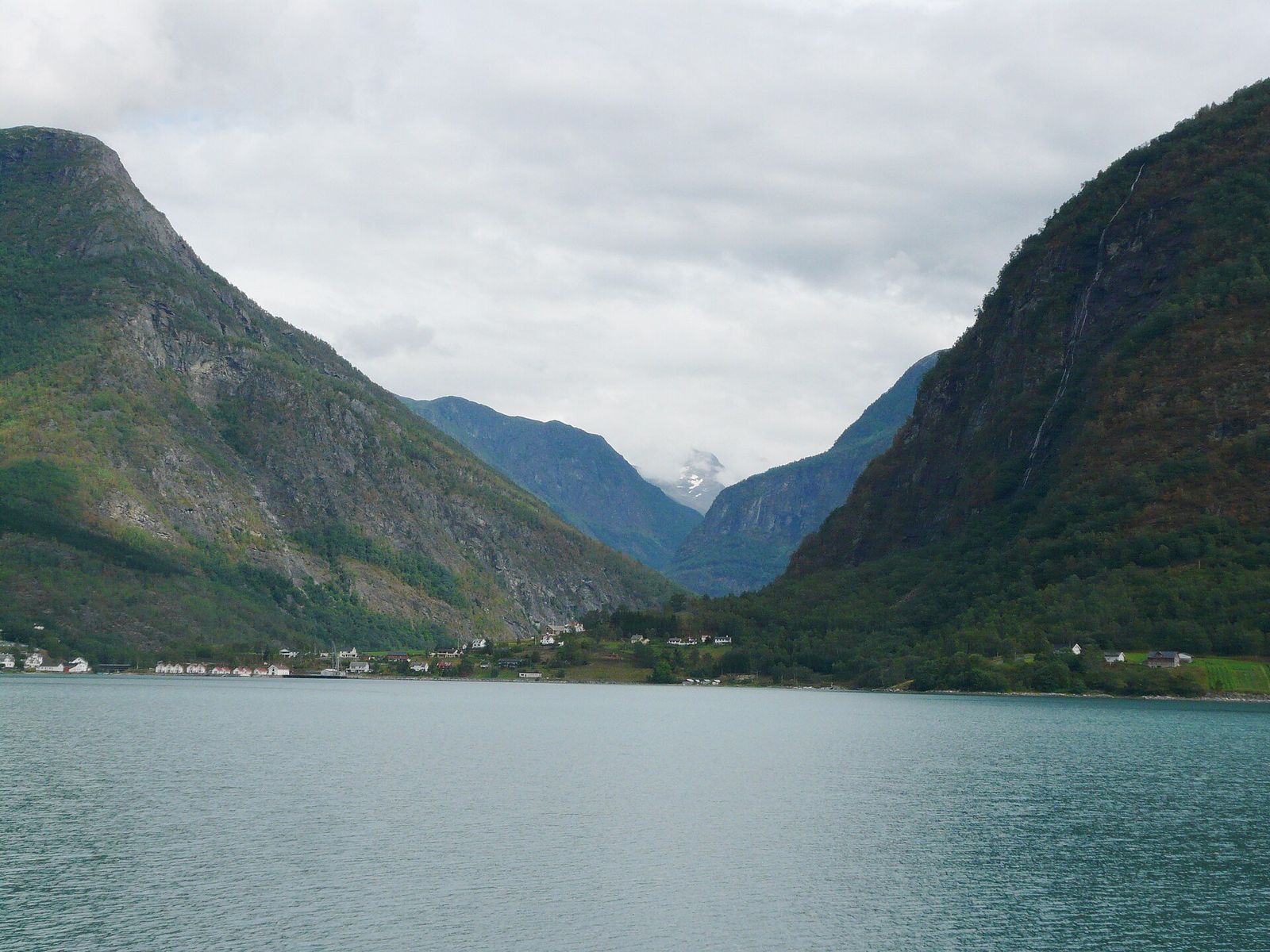
Skjolden
Innermost Sognefjord, mountains on the water
Skjolden sits at the far inner end of the Sognefjord — Norway’s longest fjord arm — where mountains drop to a tiny village and the Lustrafjord light goes still. Cruise days are nature-first: walks, viewpoints, glacier country transfers, and quiet water. There is no urban checklist here; the fjord itself is the product.
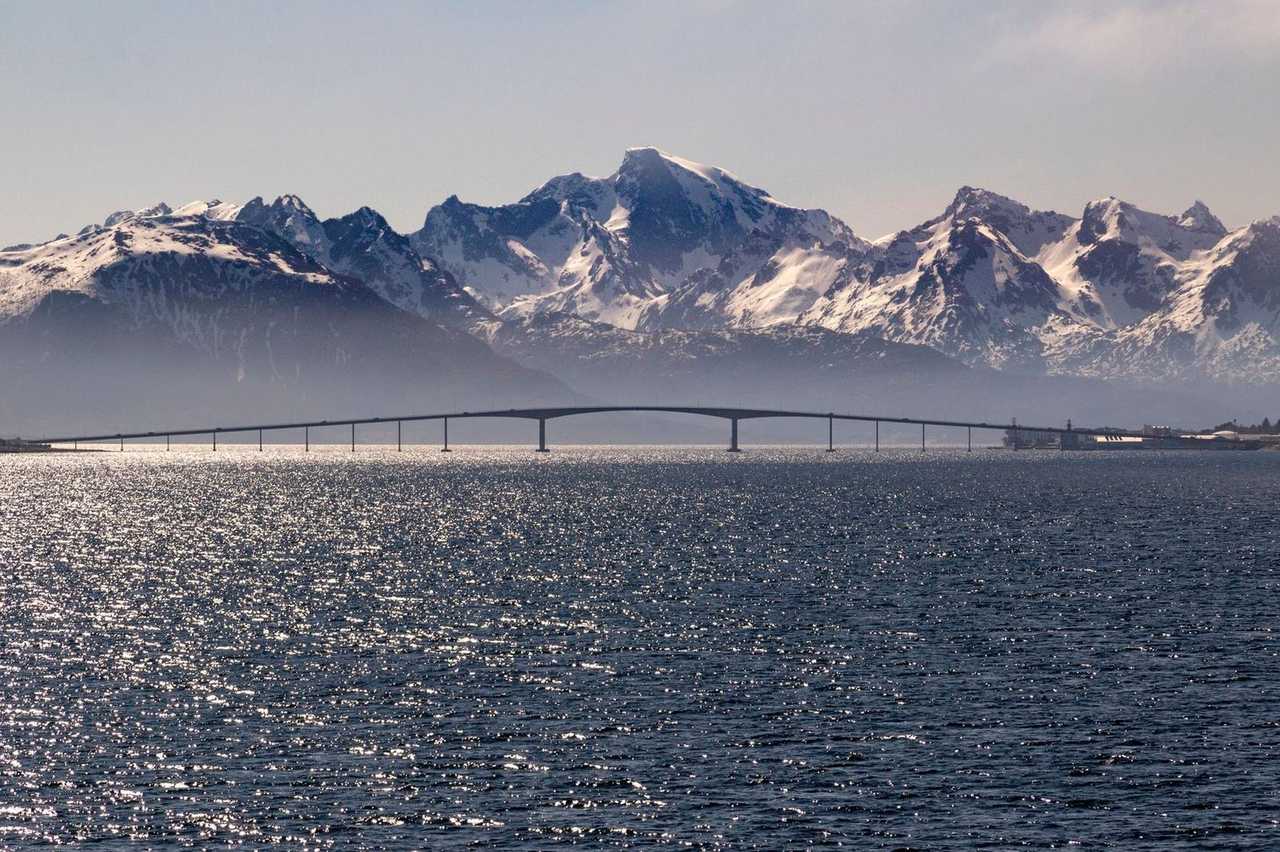
Sortland
Blue town on the Vesterålen bridge
Sortland sits on Sortlandsundet in the Vesterålen islands, linked by bridge to Langøya and the wider archipelago. Ships use the harbour for a quieter Norway call than Lofoten’s postcard villages. Town, bridge views and one island loop — not a race south into every Lofoten harbour. The blue-painted service town sits on Sortlandsundet with the bridge as its postcard; Arctic light and the Vesterålen roads out carry more drama than any single museum hour.
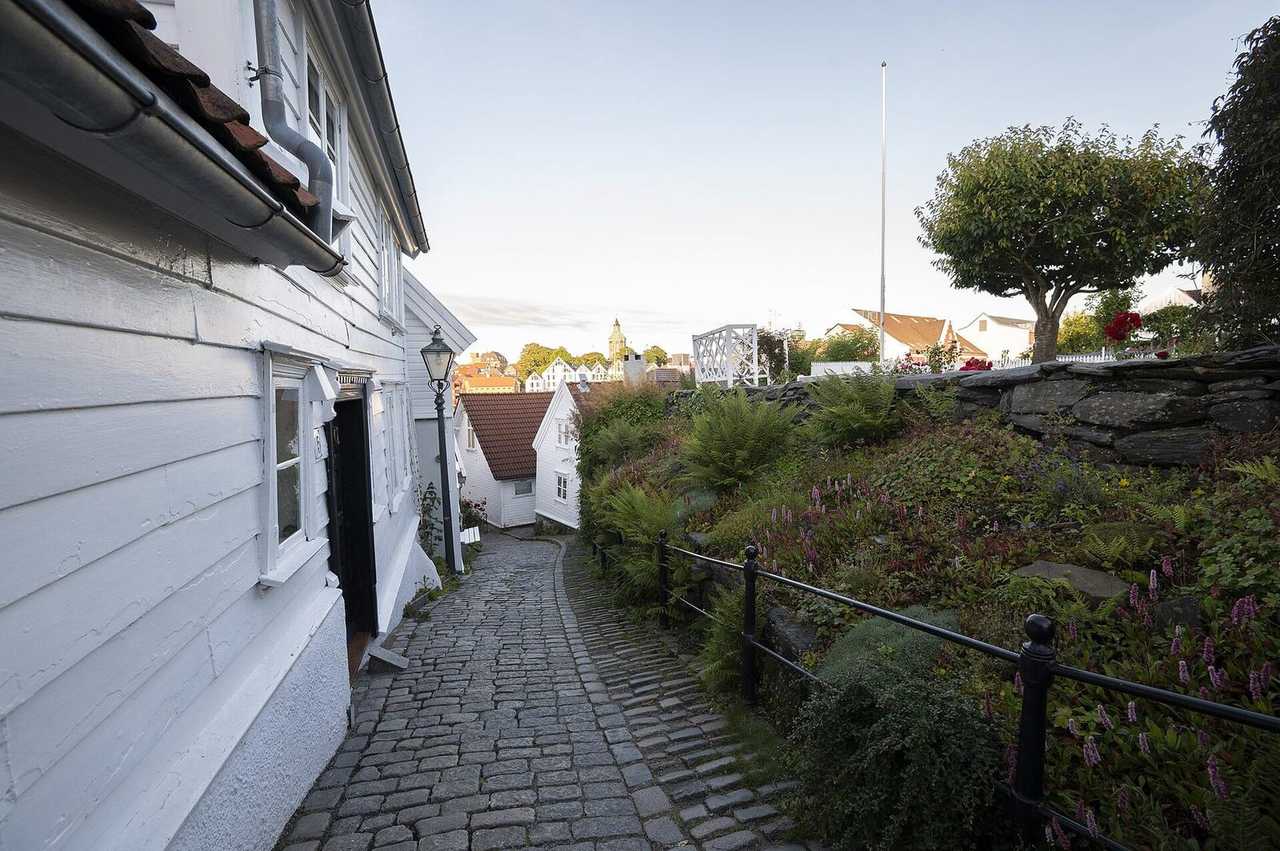
Stavanger
White timber town or Pulpit Rock — not both
Ships berth close to Stavanger’s harbour and the white wooden streets of Gamle Stavanger. Preikestolen — Pulpit Rock — is a separate inland hike with coach or ferry approaches and a long trail. Old town and museum quarter, or the Pulpit outing — combining both is how callers miss the ship. White wooden houses along the harbour make Gamle Stavanger a walk-off delight; Preikestolen is a full mountain day, not a casual hike after the Petroleum Museum.
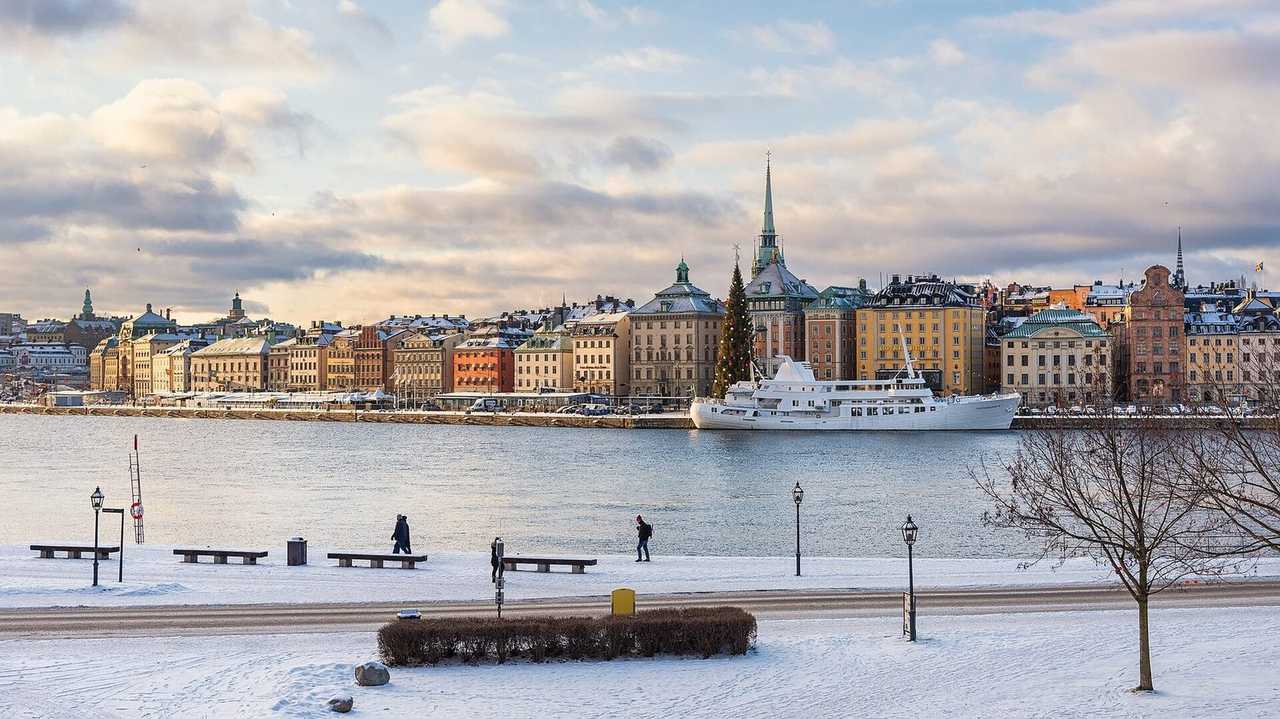
 Stockholm
Gamla Stan first — archipelago only if hours stretch
Cruise ships use Stadsgården, Frihamnen or other berths with shuttle or tram links toward the centre. Gamla Stan, the Royal Palace and the waterfront sit at the heart of a day call. An archipelago boat is optional when time is long — not compulsory before the old town. Gamla Stan’s waterfront and spires are the old-town heart of a city built on islands; archipelago boats only earn a place when the palace and lanes are already done with margin.
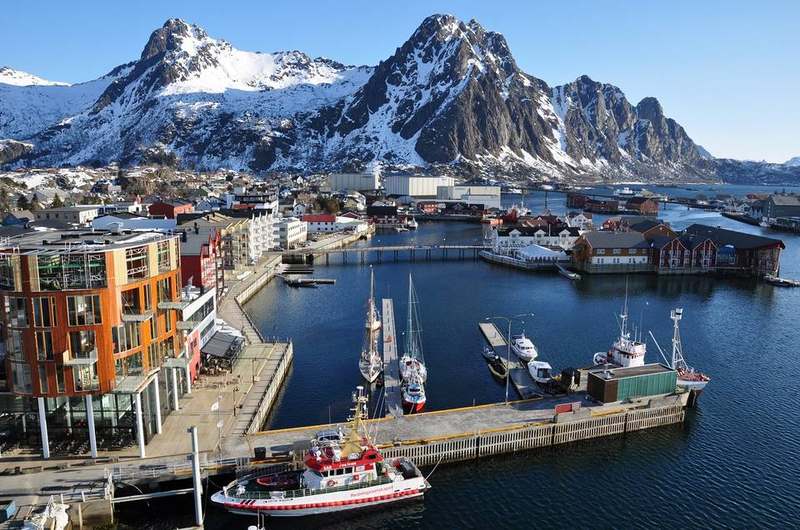
Svolvaer
Lofoten capital quay, peaks, and fishery town
Svolvær is Lofoten’s busy harbour town on Austvågøya: galleries, cod heritage, and mountain walls above the quay — with iconic village photo stops as timed extras, not freebies. The day ashore is town-plus-one scenic arc. Chasing Reine, Henningsvær, and every peak before lunch is how Norwegian distances win.