
 Aberdeen
Granite streets, or one castle outing — not both rushed
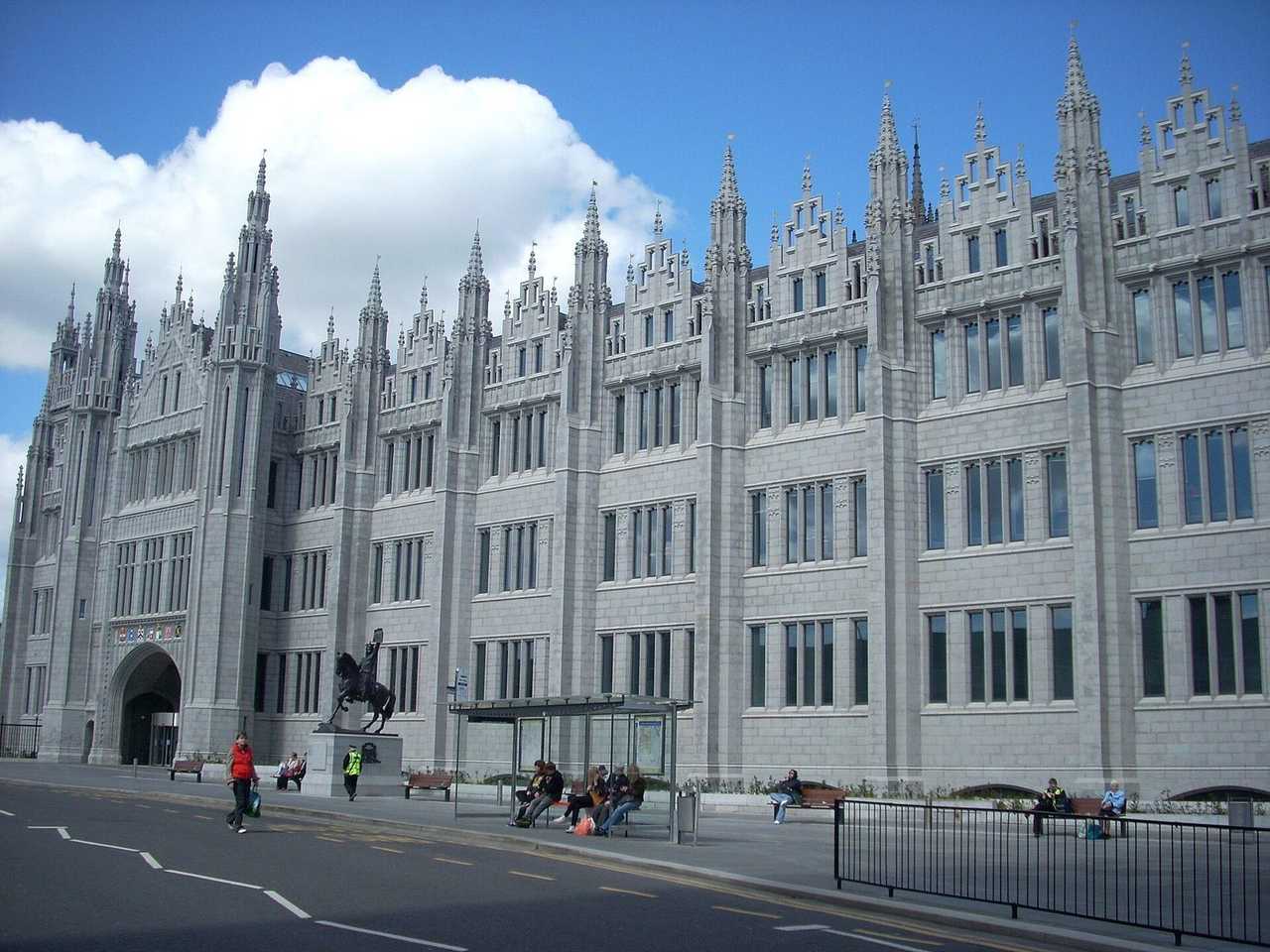
Ships berth in the older North Harbour quays near the centre or at Balmoral Quay in the South Harbour expansion. Union Street and the Maritime Museum suit a half-day city call. Deeside, Speyside and Dunnottar each need a full outing, so choose city granite or castle country rather than a blur of both.
Belfast
Titanic Quarter first, then the rebuilt centre
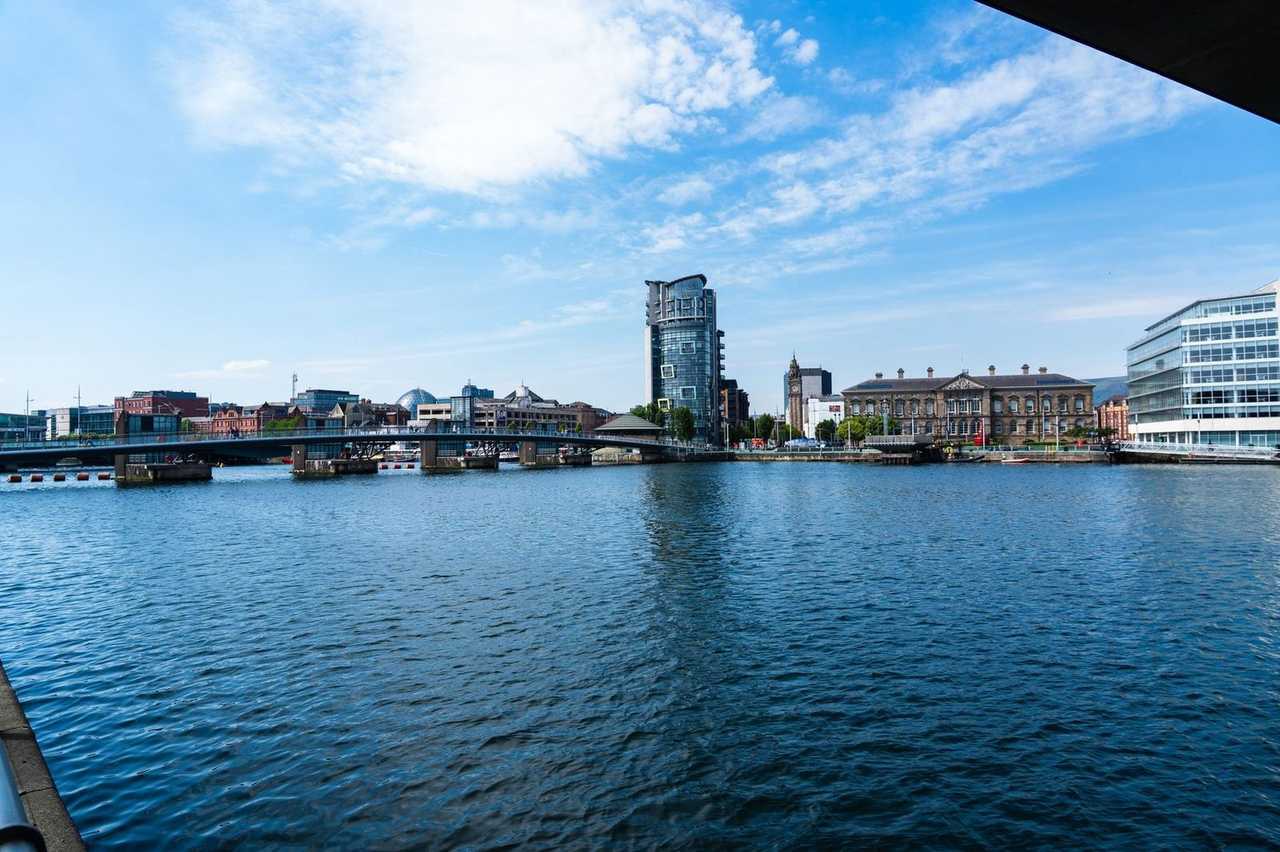
You land in Belfast Harbour’s Titanic Quarter. The museum, slipways and waterfront path sit a short walk or shuttle from the gangway; Donegall Square needs a further hop. The Giant’s Causeway is a separate half-day. Choose shipyard story or city centre — not both plus the coast on a short call.
Bristol
Avonmouth berth — Bristol city on transfer
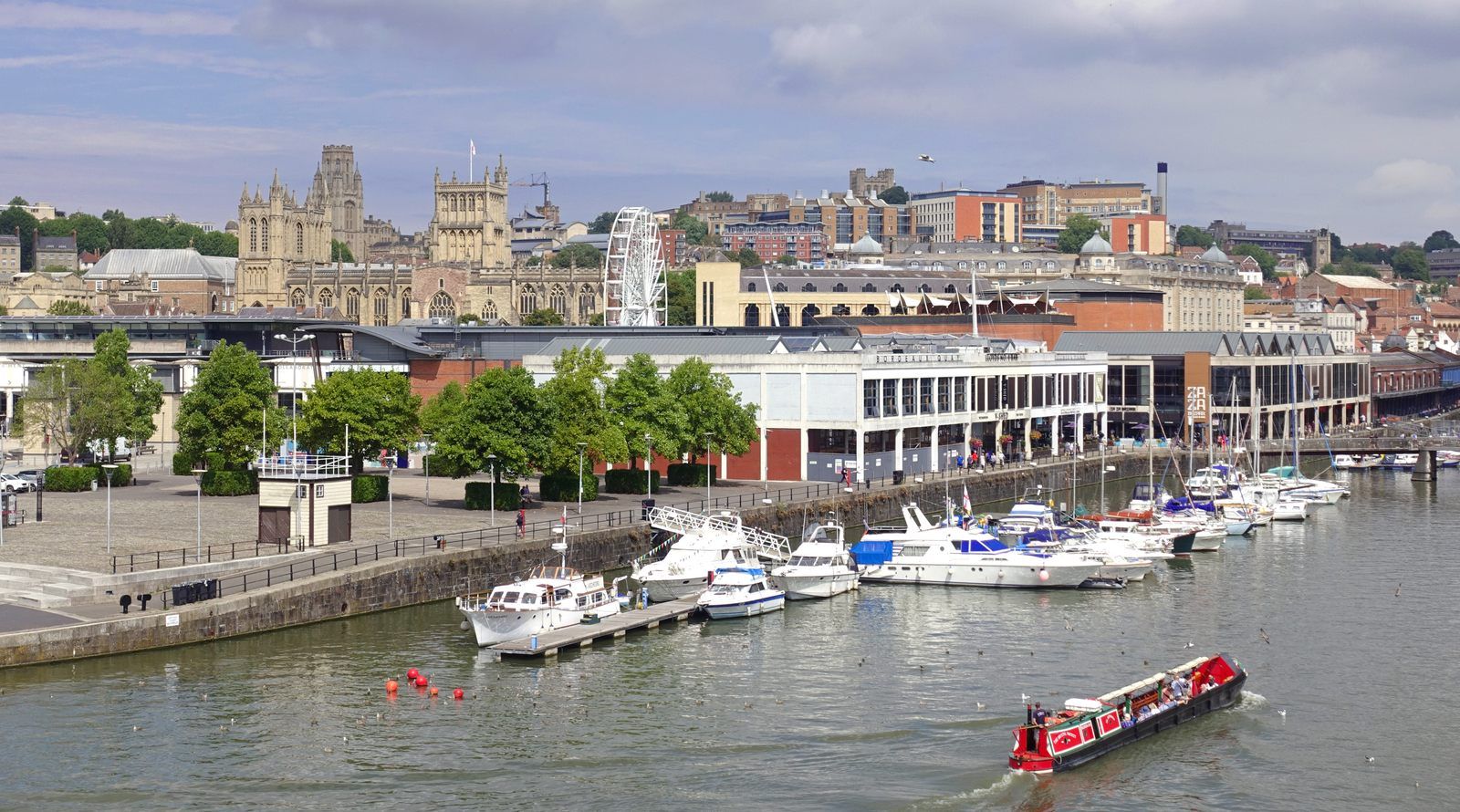
Cruise ships for Bristol berth at Avonmouth, an industrial harbour on the Severn estuary — not beside the harbourside cafés. The day ashore is a transfer into Bristol for SS Great Britain and the harbour. Leave Bath for a separate outing.
 Cork
Cork
Cathedral hill, Titanic quay — Cork optional
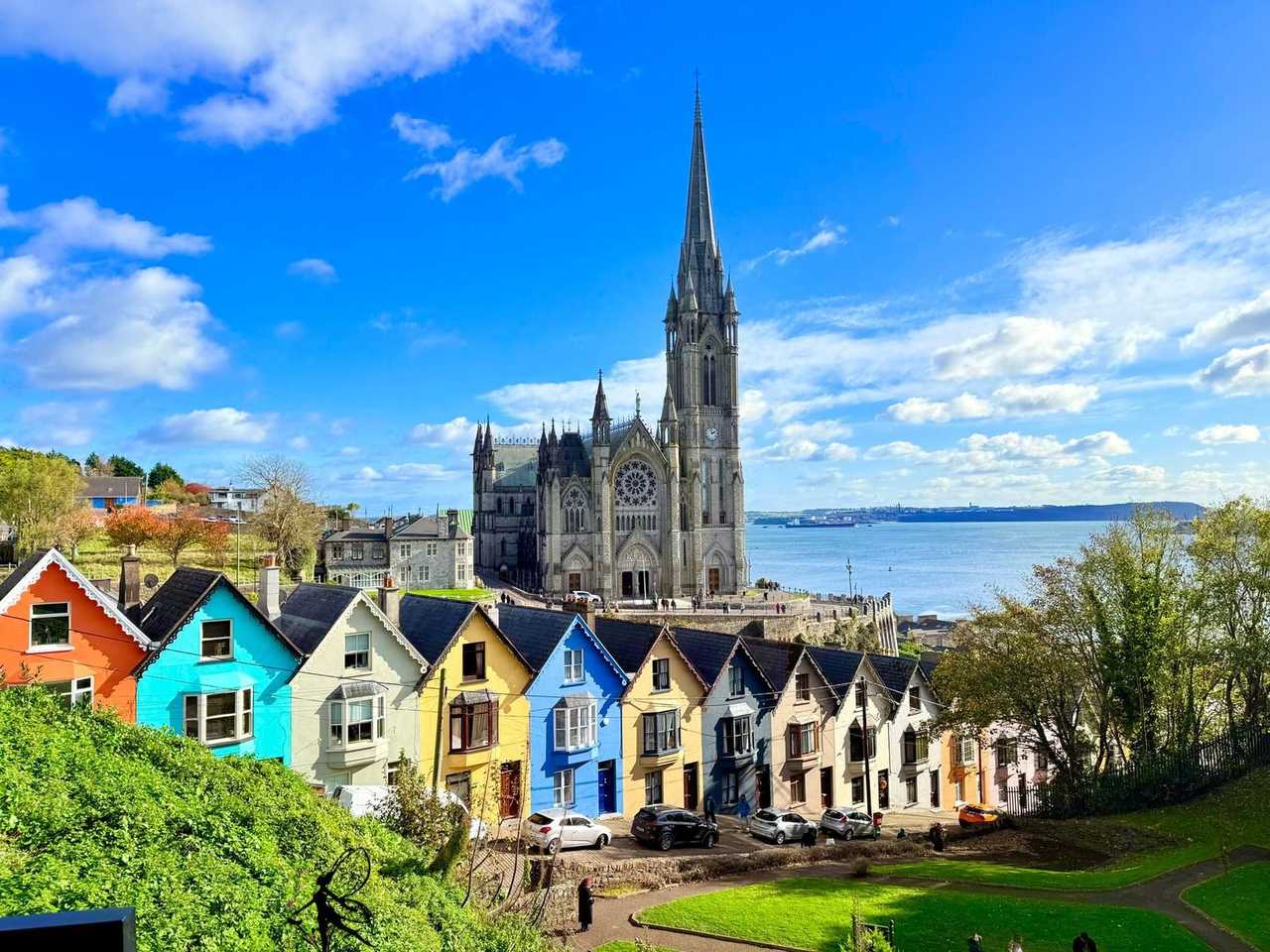
Cork’s cruise berth sits under St Colman’s Cathedral with a walkable harbour front and the Titanic Experience nearby. Colourful terraces climb the hill. Cork city is a train or coach away. Spike Island needs its own timing. Choose Cork depth, or Cork city — stacking Blarney on top usually costs the buffer.
Dingle
Harbour town — Slea Head only if the tender allows
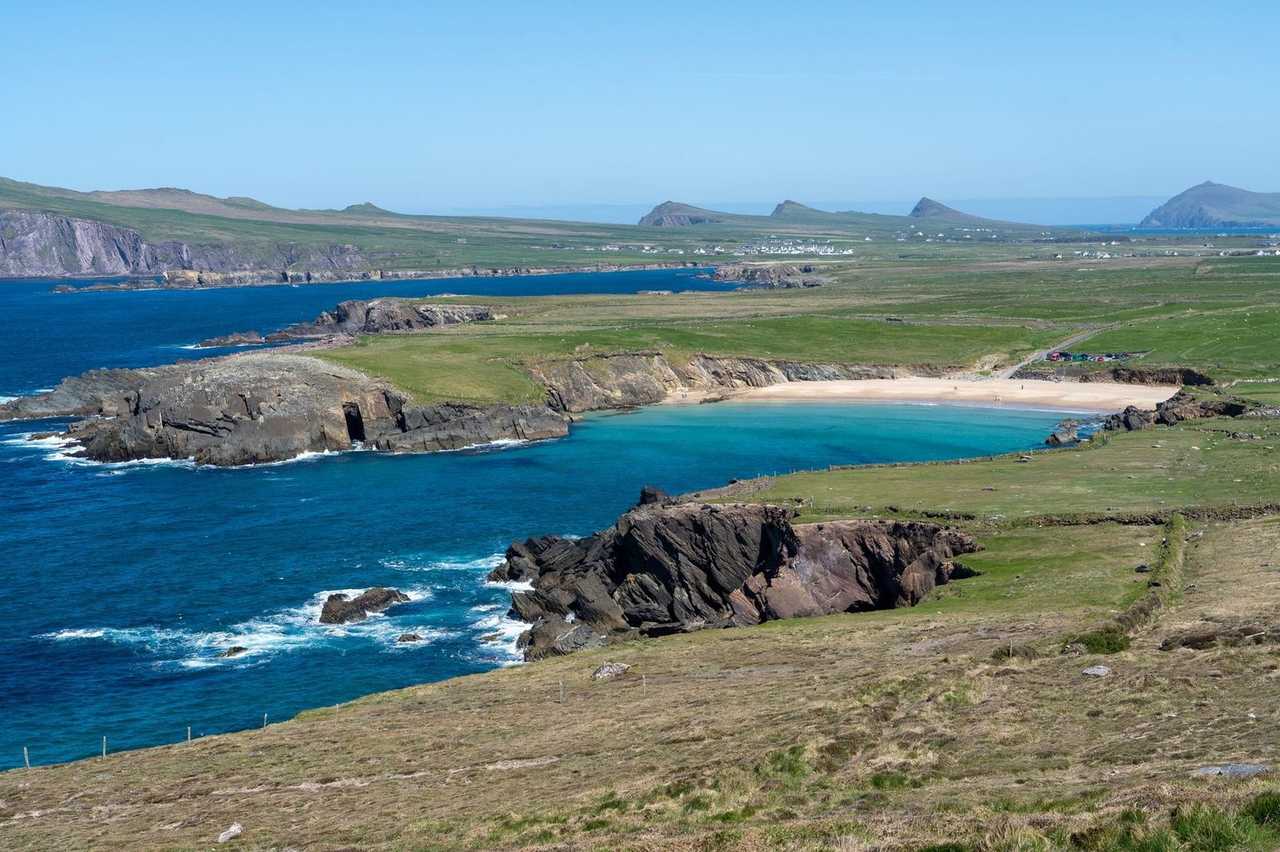
Ships usually anchor and tender into Dingle Harbour below the small town centre. Pier, main street and working waterfront are walkable. Slea Head and the wider peninsula belong on a coach with a hard return to the tender queue. Walk the harbour first; only add the loop if landings and timing look honest.
 Douglas
Douglas harbour day — castle or TT lore, not every parish
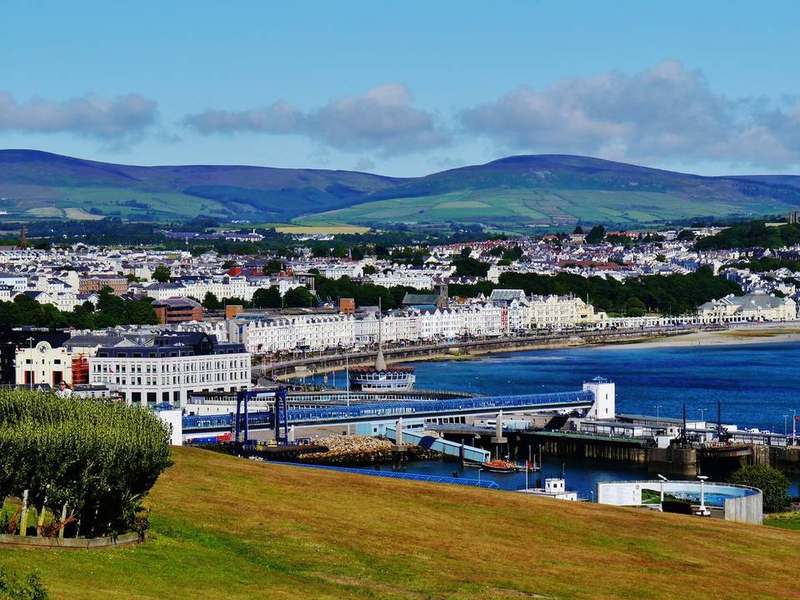
The Isle of Man is a Crown Dependency in the Irish Sea. Cruise guests usually land at Douglas and choose a harbour promenade day, a castle visit or a short inland hop. Trying every parish and museum before sailing is how people meet the pier at a run.
Dover
White cliffs — protect check-in first
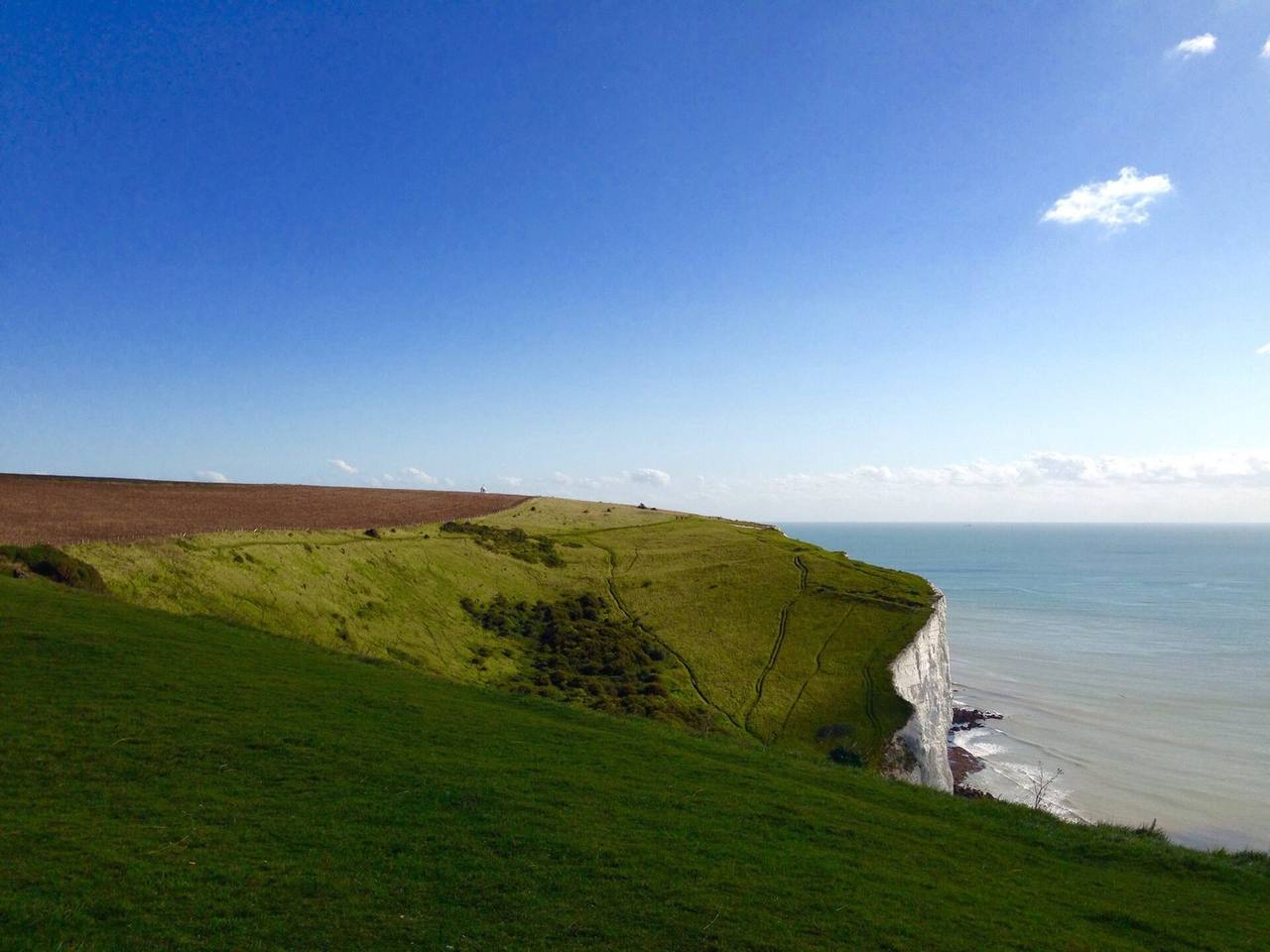
Dover is a major UK cruise embarkation and Channel ferry hub. Ships use the Western Docks cruise terminal under the chalk cliffs, with Dover Castle on the heights above. If you are embarking, go straight to the terminal. Cliffs and castle still look good from the deck once you have sailed.
Dublin
Capital centre — port transfer, not a stroll
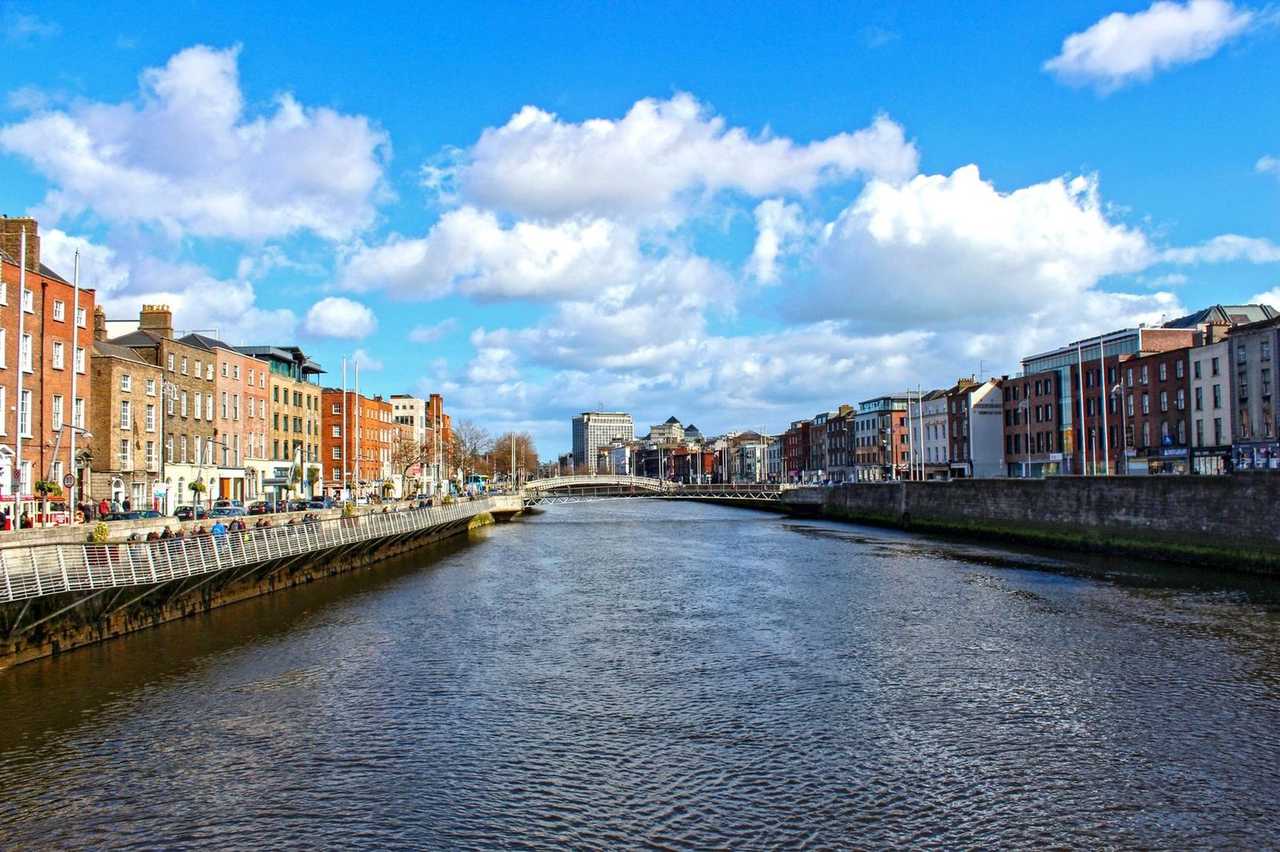
Many ships berth at Dublin Port on the north side of the Liffey mouth. Some itineraries tender or use other Dublin Bay landings. Trinity, Grafton Street and the Guinness Storehouse need a transfer into the centre. Build that hop into the morning before you count museum hours.
Dún Laoghaire
Dublin Bay pier town — city by DART
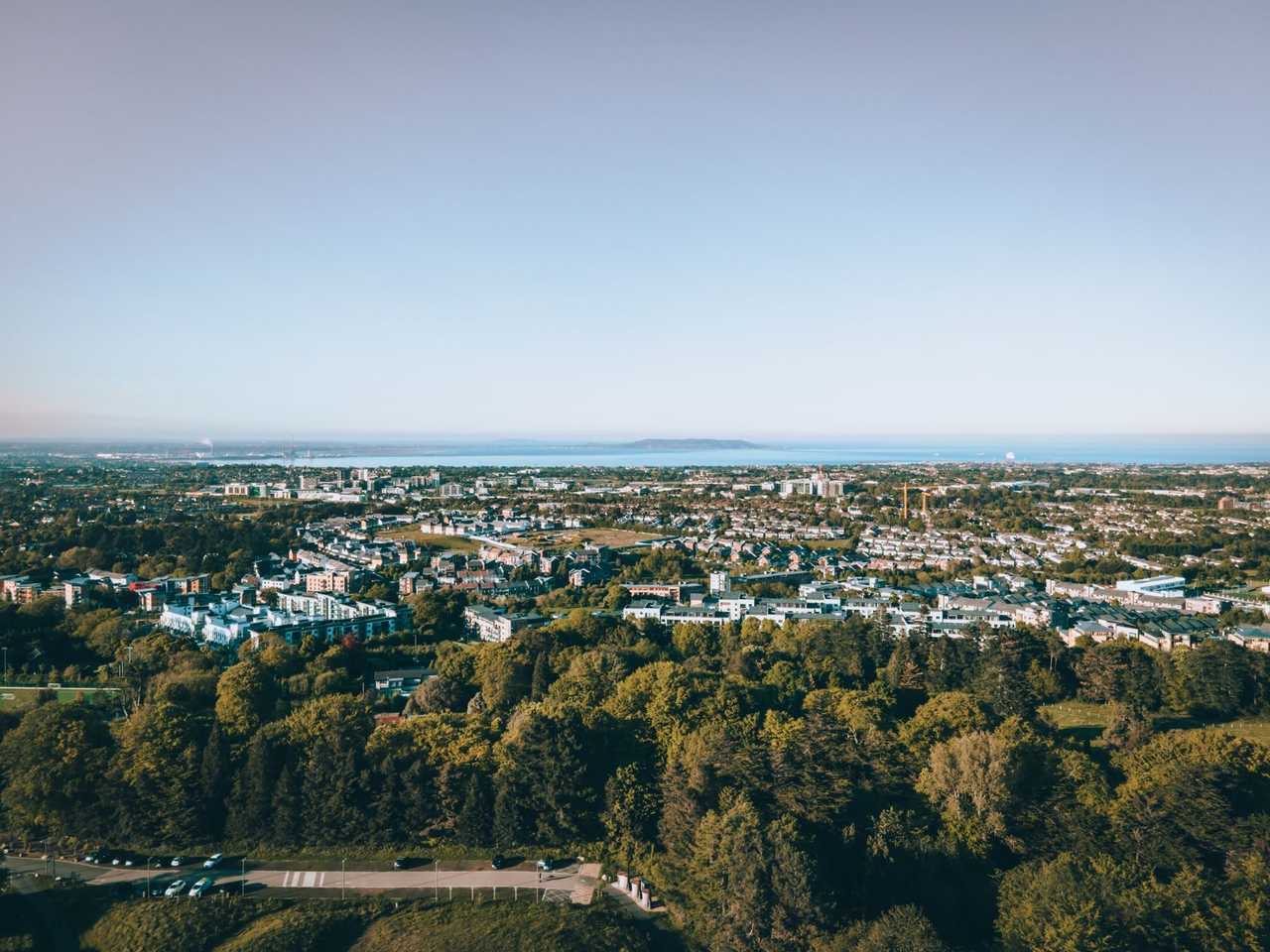
Dún Laoghaire is a Victorian harbour town on Dublin Bay’s south shore, used when Dublin Port is unavailable or for certain calls. East Pier and the waterfront are the walk-ashore story. Dublin centre is a DART ride, not the next quay. Walk the pier first; treat the city as an optional second act with a locked return.
Edinburgh
Castle on the rock — ship usually elsewhere
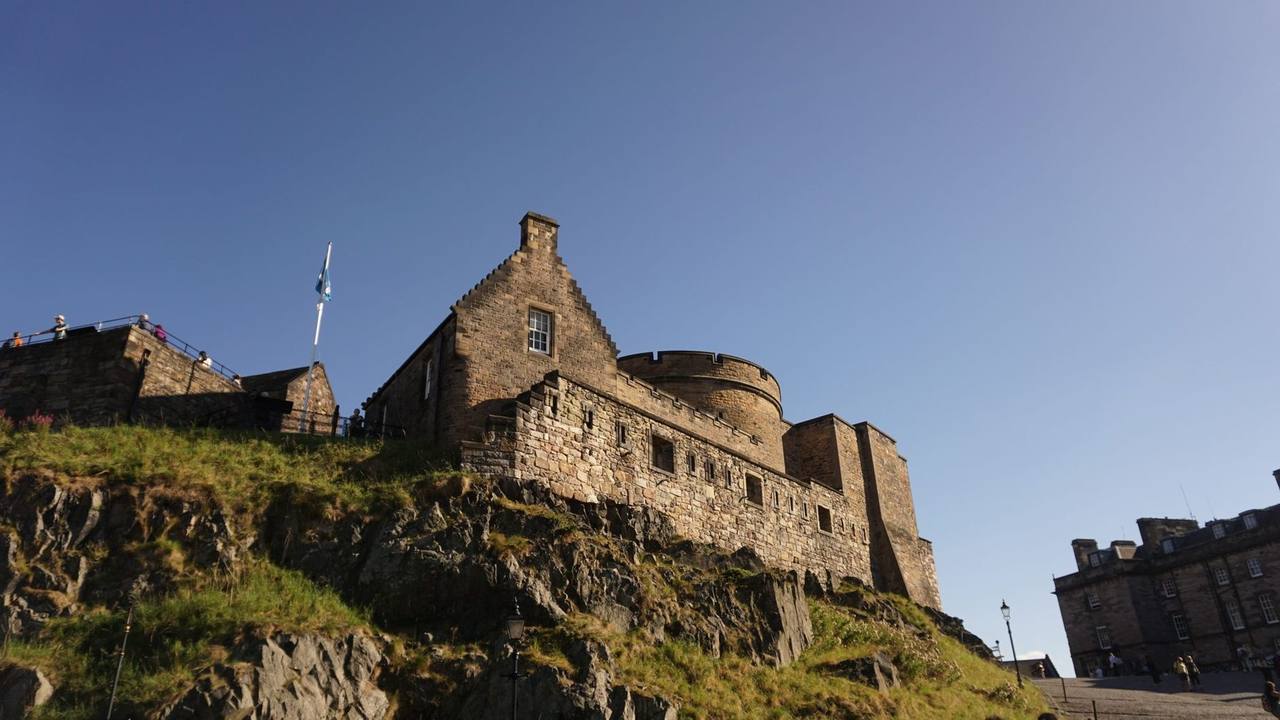
Edinburgh is rarely a walk-off city call. Ships typically use Newhaven, Leith or Rosyth, then road or rail into the Old Town. Castle, Royal Mile and New Town fit a coherent day if you know which Forth berth you have. The castle is not beside the gangway.
Falmouth
Cornwall harbour on the Carrick Roads
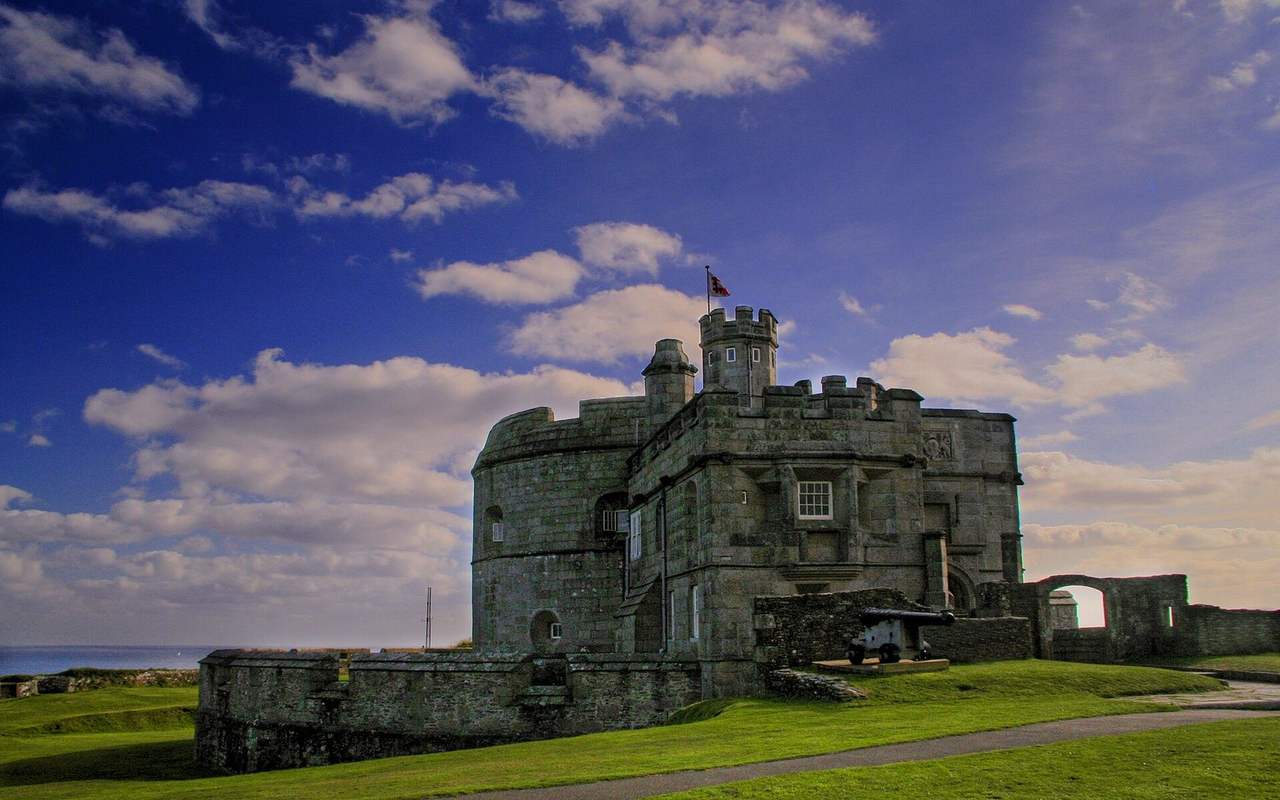
This is Falmouth in Cornwall, England — not the Jamaican port of the same name. Ships use the deep Carrick Roads approaches and local berths or anchorages. The National Maritime Museum and Pendennis headland sit close. Museums and headlands first; Helford gardens only on a long day.
Fishguard
Pembrokeshire harbour, cliffs, and invasion lore
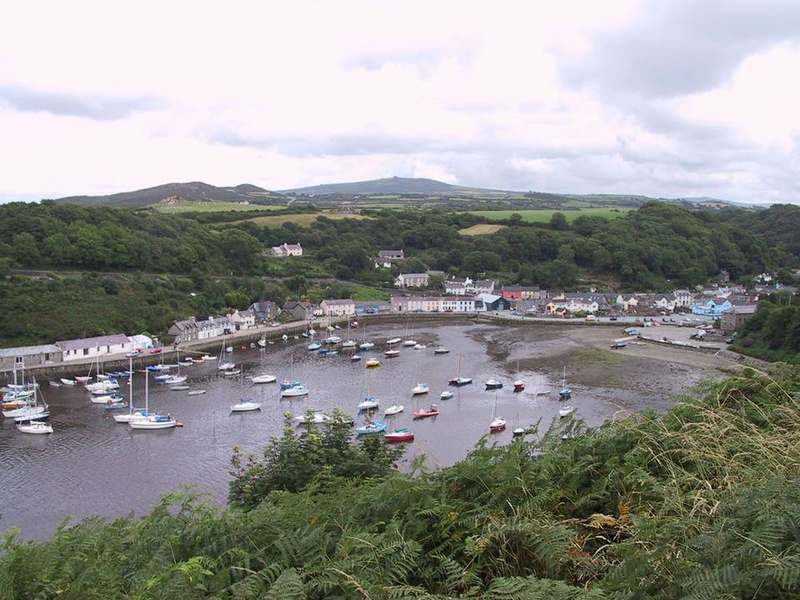
Fishguard is a small Pembrokeshire harbour town on the Welsh coast — Lower Town’s quay, Goodwick’s ferry side and cliff paths above the bay. Cruise calls are intimate: coastal walks, the Last Invasion story of 1797 and market-town texture. Lower Town quay first; cliffs second when the wind allows.
Fowey
Estuary town, Polruan ferry, then a cove if time
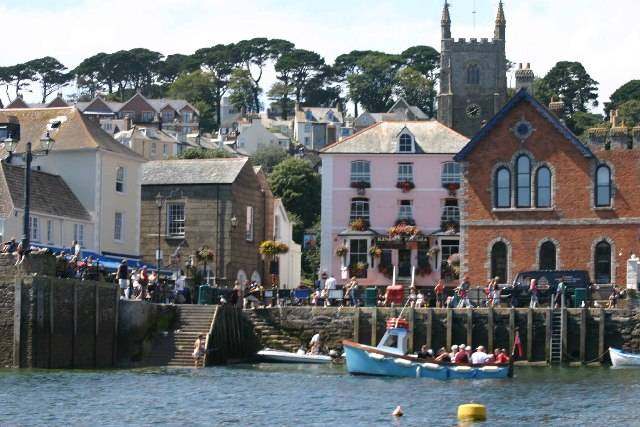
Fowey is a steep Cornish harbour town on a wooded estuary. Cruise ships usually tender, and the day is lanes, waterfront and the Polruan ferry rather than a mega-pier mall. Readymoney Cove and a short coast-path stretch work when legs and tide agree. Leave the Eden Project for a call that can hold the inland transfer.
Foynes
Flying-boat museum first, then one outing
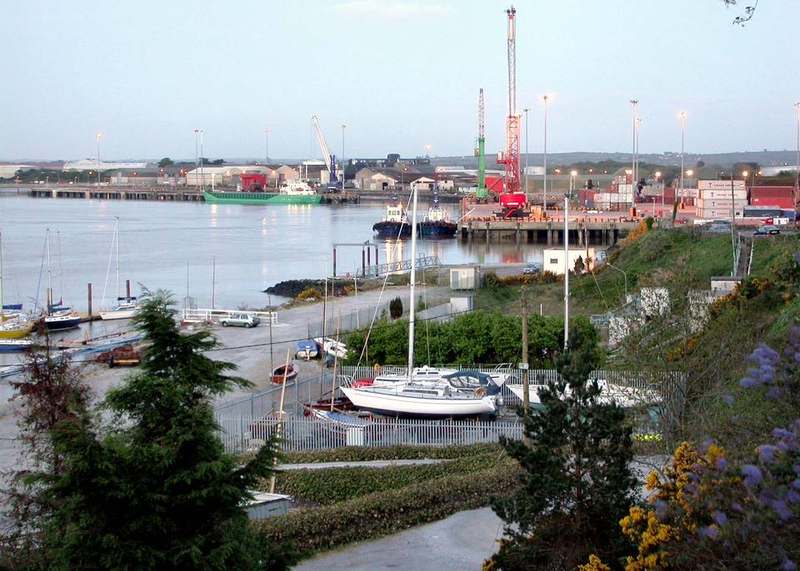
Foynes is a Shannon Estuary port famous for flying-boat days and the Irish coffee origin story. The Flying Boat Museum is the local anchor. Limerick, Bunratty and the Cliffs of Moher need road time — choose one after the museum, not all three. Organised excursions protect the return better than hopeful rural taxis.
Galway
Latin Quarter streets — cliffs only with a booked clock
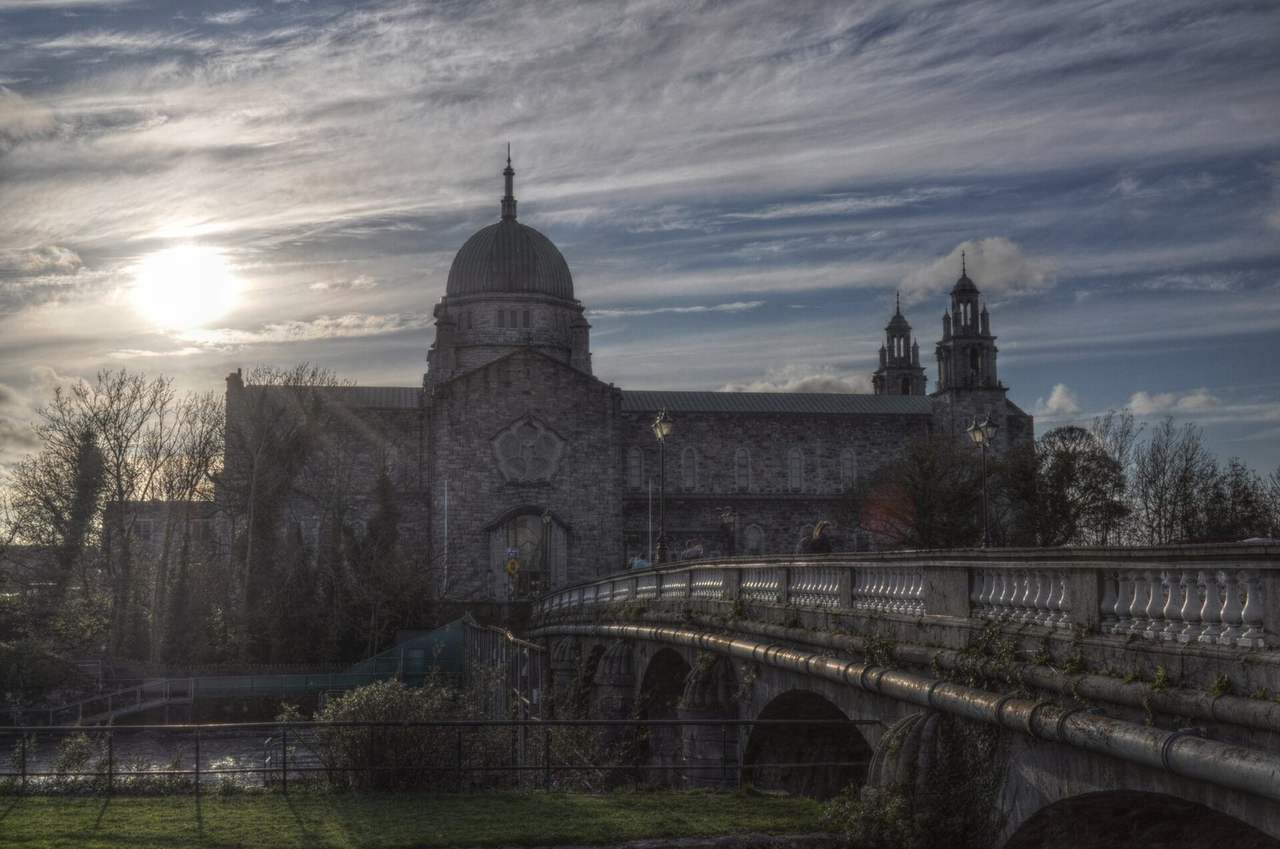
Ships use Galway’s harbour approaches on the north shore of Galway Bay. Latin Quarter, Spanish Arch and Shop Street sit a shuttle or taxi hop from the landing. A day call is the walkable medieval grid and bay edge. Cliffs of Moher and Connemara need a verified coach return — not a hopeful add-on after pub time.
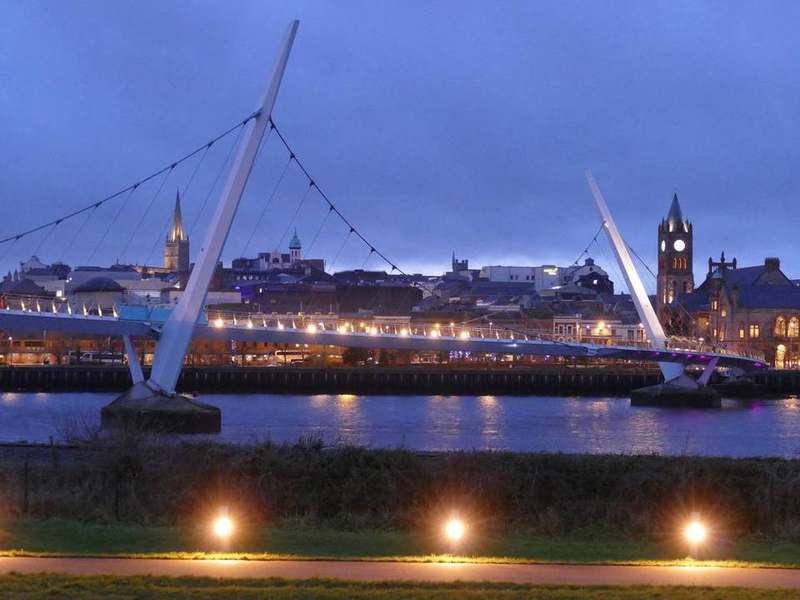
Greencastle
Foyle tender for Derry walls or Inishowen
Cruise ships calling Greencastle anchor off the Donegal shore of Lough Foyle and tender to the fishing pier. There is no deep-water cruise berth yet. The village is small; the day is usually Derry’s walls or quieter Inishowen viewpoints. Giant’s Causeway needs a long road day — not a stack on top of a full Derry museum circuit.
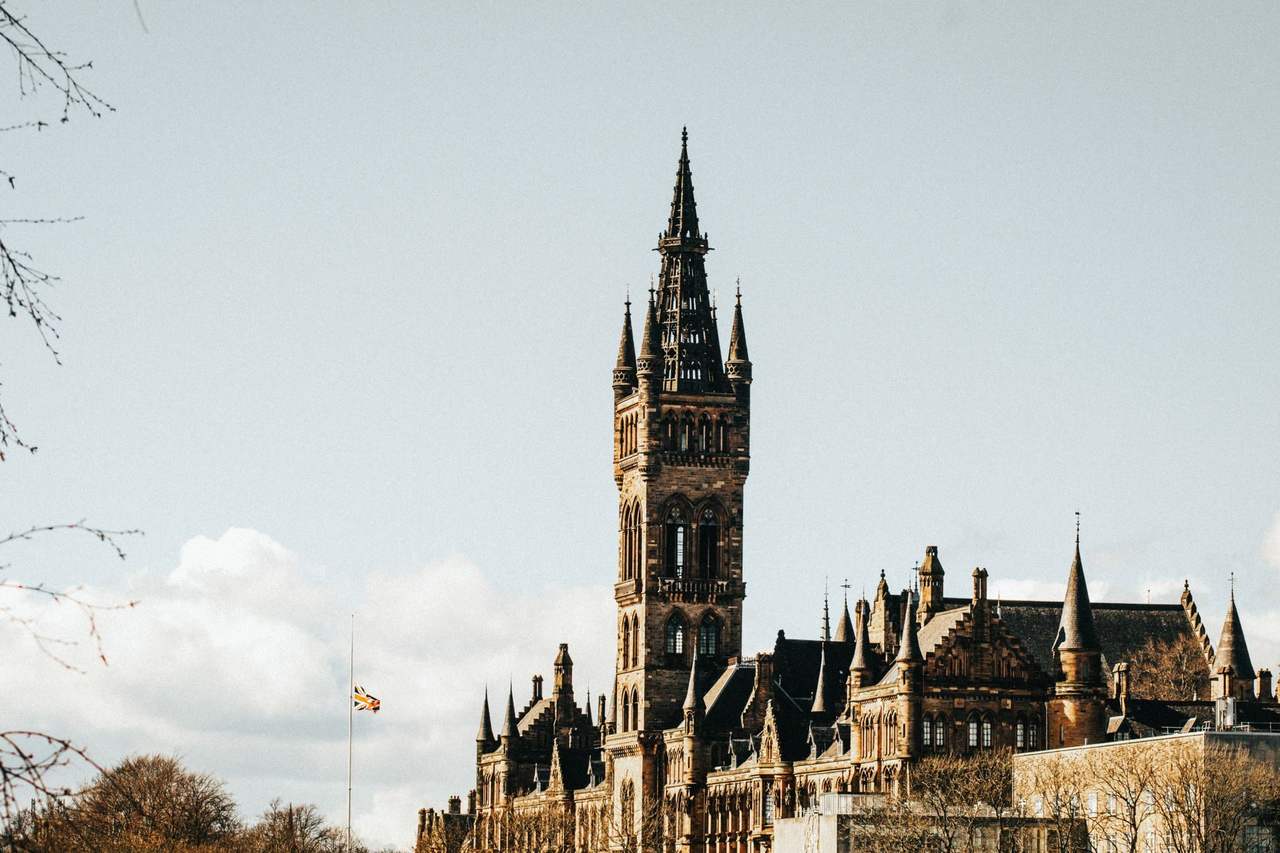
Greenock
Clydeport berth — transfer to Glasgow and back
Same Greenock Ocean Terminal as the town guide, different decision. This page treats the call as a Clydeport-to-Glasgow transfer problem: rail from Greenock Central or West, taxi on the M8, or a line shuttle when offered. Pick one Glasgow focus, reverse with a buffer, and abort to Greenock if the clock shrinks.
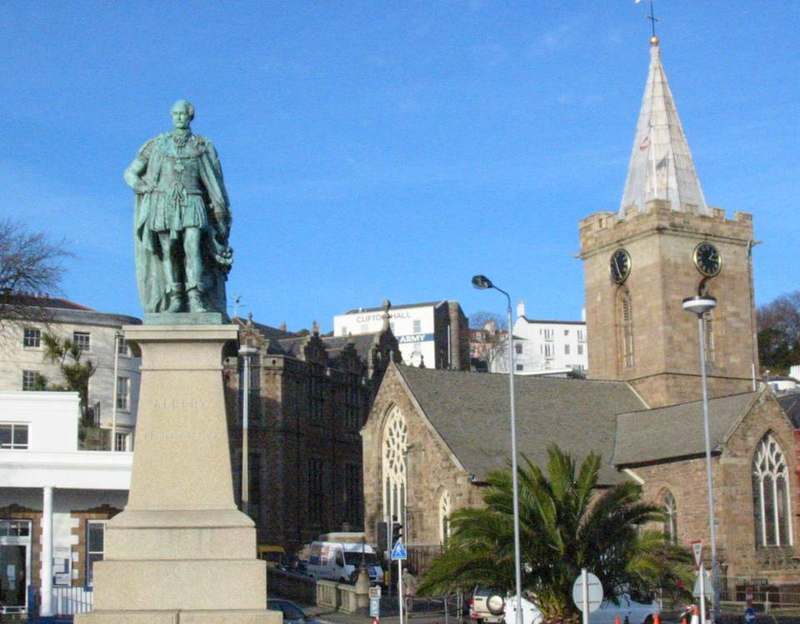
Guernsey Island
Castle and cobbles first — Herm only if the clock allows
St Peter Port is Guernsey’s capital harbour: castle rock, steep cobbled streets and a tender-friendly town that rewards walking over coach theatre. Cruise days are Castle Cornet, the high-street climb, and maybe Herm if the tender clock is kind. Leave Jersey and full-island circuits for another itinerary.
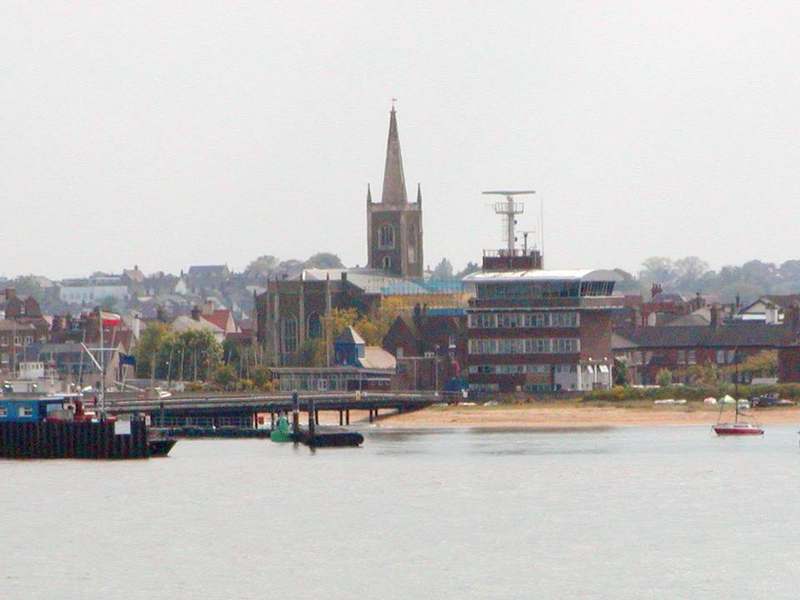
Harwich
Protect check-in — pier walks are for spare hours
Harwich is a UK cruise embarkation and ferry harbour in the Haven ports complex beside Felixstowe. Most passengers are joining or leaving a ship rather than touring. If you have spare hours, the old town, Ha’penny Pier and the High Lighthouse sit nearby. Leave Constable country for a different morning.
Holyhead
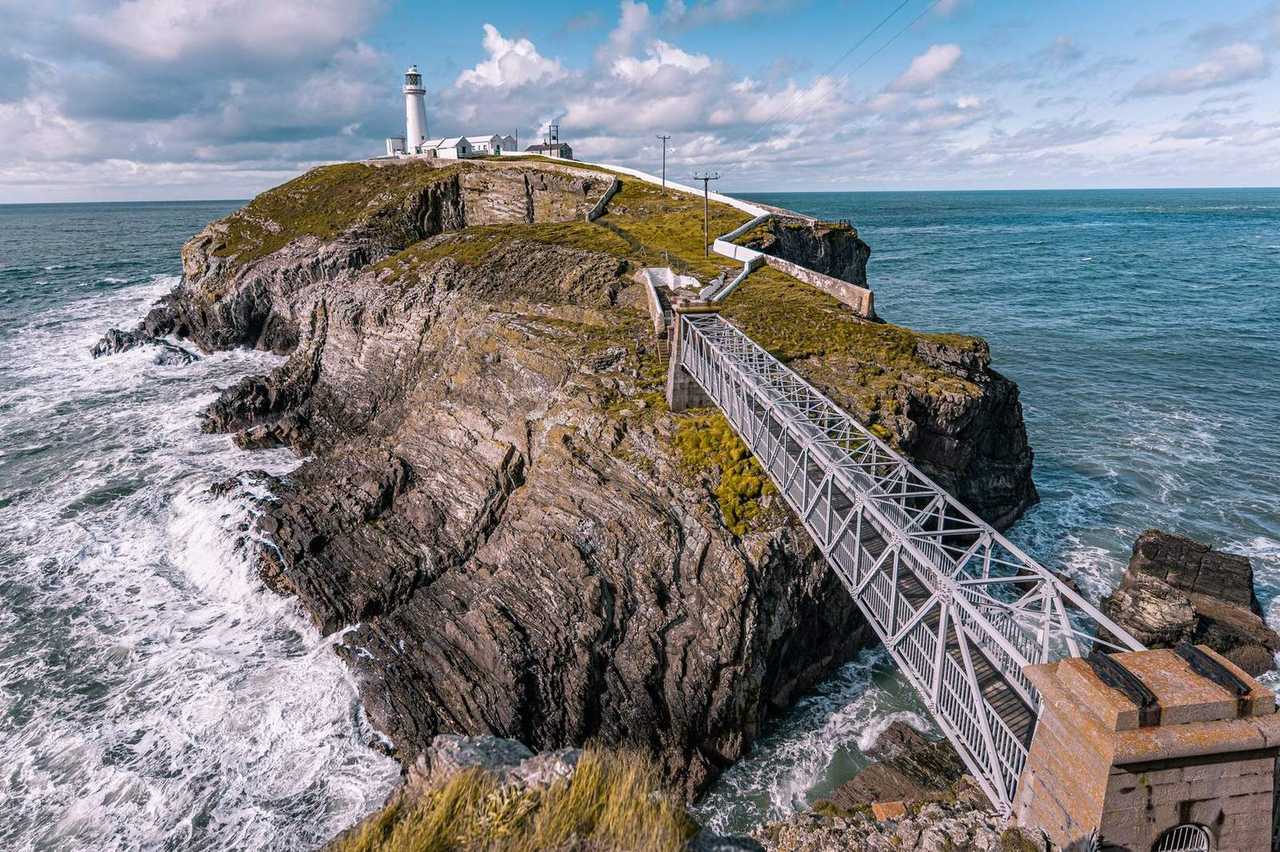
Holyhead as the door to Anglesey — one island arc
Same Holyhead harbour, wider frame: this listing treats the call as a gateway to Anglesey rather than only the ferry town. Ships still use Holyhead on Holy Island. Island coasts, Beaumaris or inland villages work if the clock allows. One island arc beats a mainland mountain dash.
Invergordon
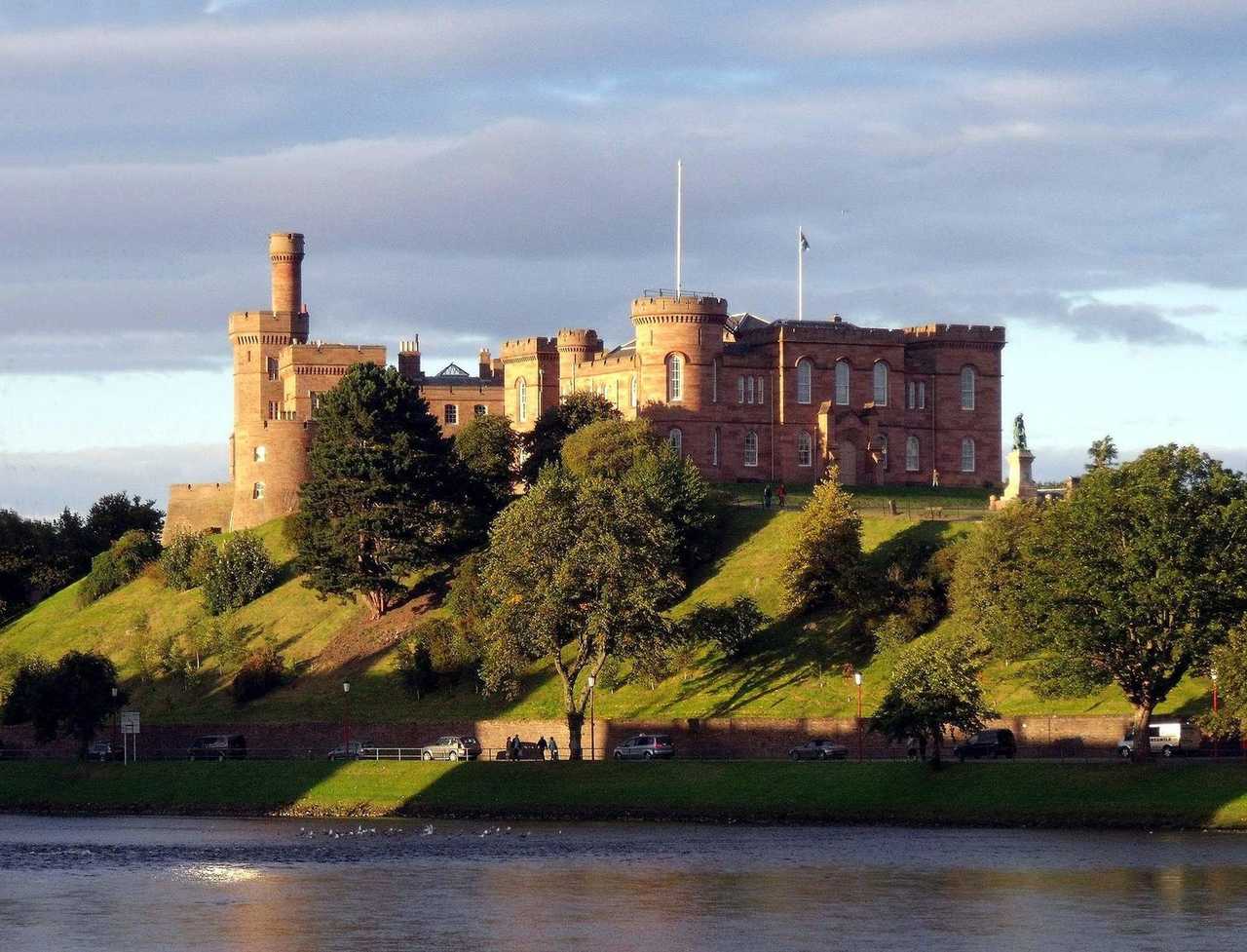
Cromarty Firth landing — Highlands by road, not a walk-off
Invergordon is a working Cromarty Firth port where large ships berth. The Highland sights that sell the call — Loch Ness, Culloden, Distillery country or Inverness — need a coach or hire car. Town walks fill a short window; the glens do not sit at the gangway.
Isle of Barra
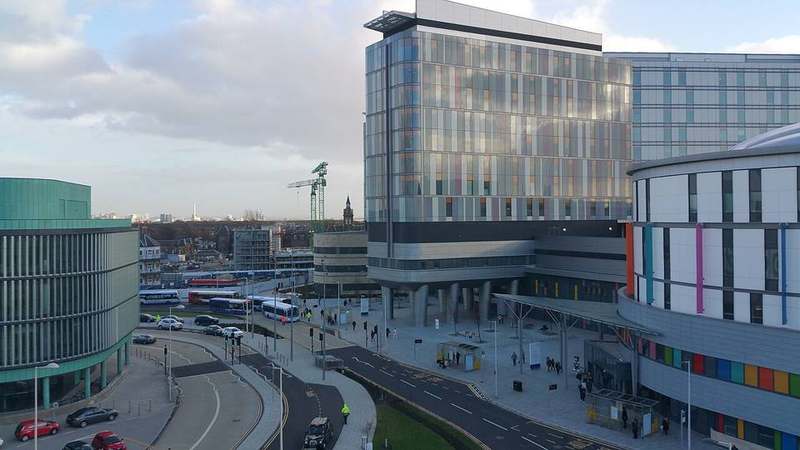
Castlebay harbour and Kisimul — Hebridean sand if the clock allows
Castlebay is Barra’s harbour village in the Outer Hebrides, with Kisimul Castle on its rock and wide Atlantic beaches a short road away. Cruise calls are usually tender or small-ship landings. Castle and village first; cockleshell beaches as a deliberate add-on, not a rushed island circuit.
Isle of Mull
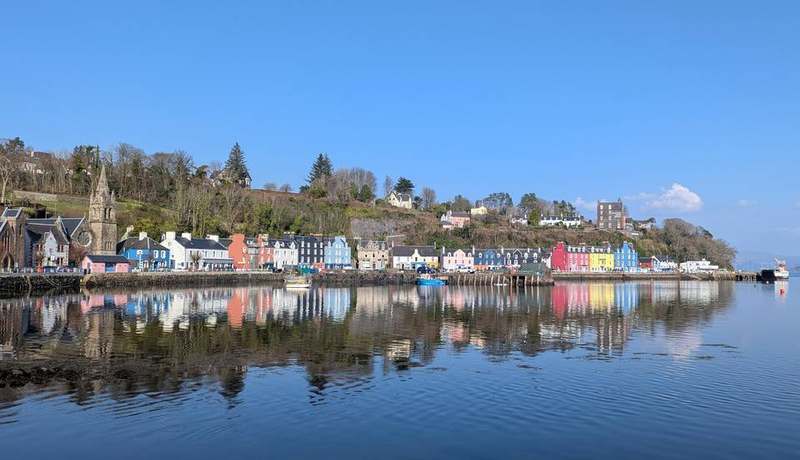
Craignure landings — Tobermory colour or Iona, not both rushed
Mull’s cruise landings often use Craignure, with Tobermory’s coloured harbour and the Iona ferry from Fionnphort as the big draws. Road time across the island is real. Choose Tobermory depth or an Iona crossing with firm returns — not a highlight reel of both plus every viewpoint.
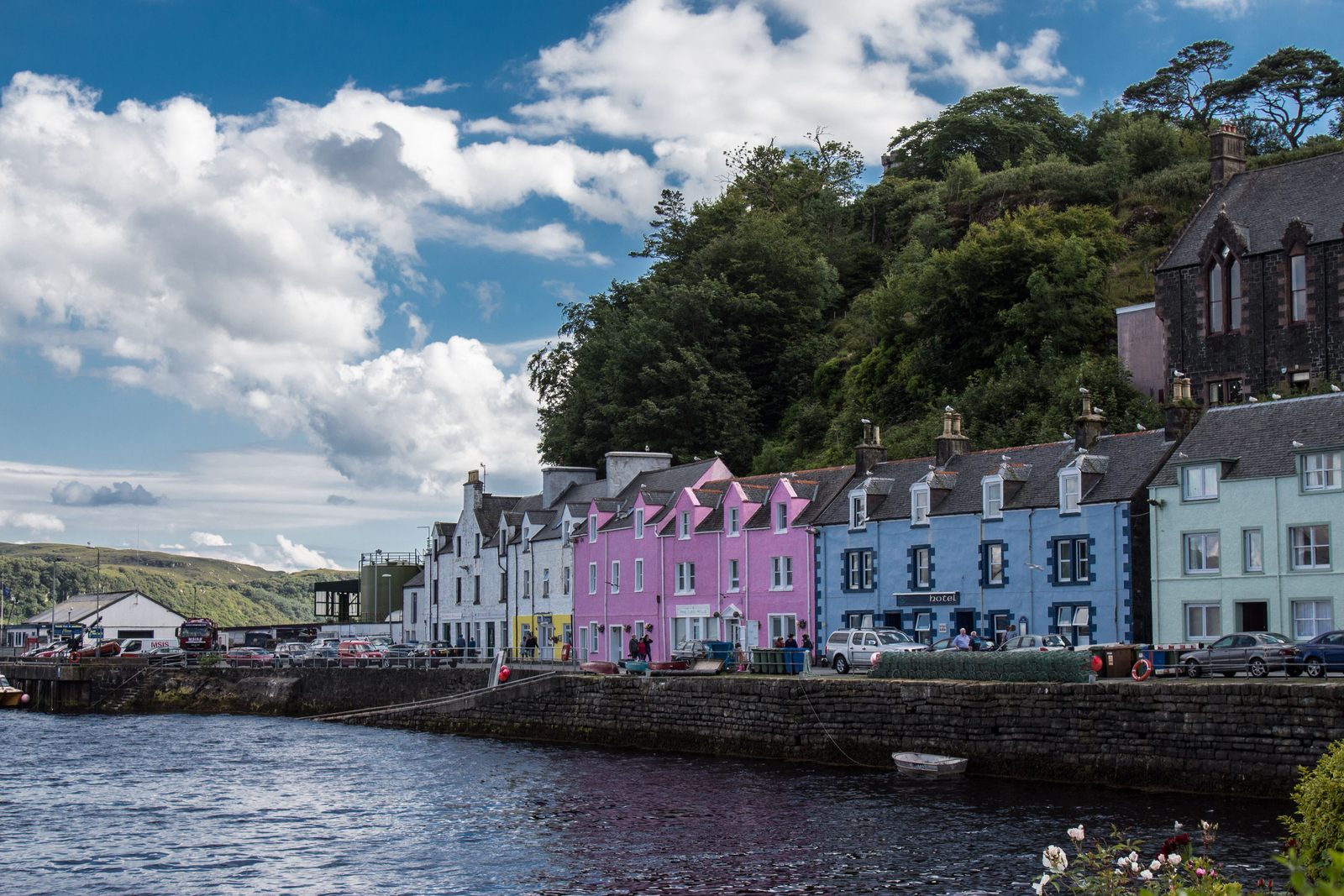
Isle of Skye
Skye by berth — Portree, Dunvegan or the Cuillin edge, not all three
Skye cruise calls may use Uig, Armadale, Portree or other landings depending on the ship and day. Portree, Dunvegan Castle and Cuillin viewpoints are the usual prizes. Confirm your exact berth first, then choose one main arc — the island is larger than the postcard suggests.