
 Isle of Wight
Cowes and the Solent — town sailing streets or one island hop
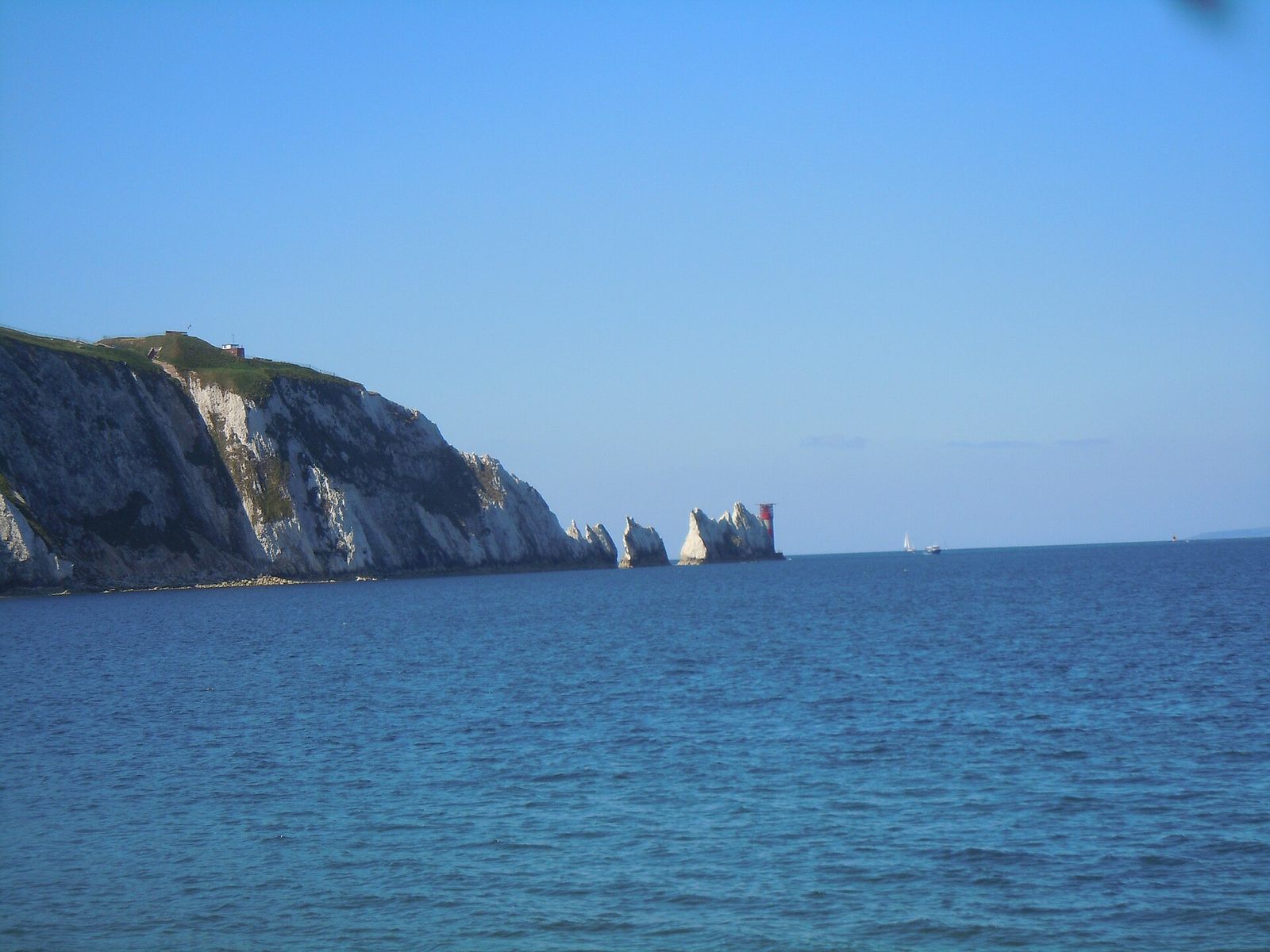
Cowes on the Isle of Wight is the Solent’s sailing capital: yacht masts, High Street bustle and ferry energy rather than a quiet beach pier. A cruise day fits Cowes harbour walks and maybe Osborne or a bay — not a full-island coach that ignores all-aboard.
 Killybegs
Donegal Bay stop — cliffs or trawlers, not Dublin
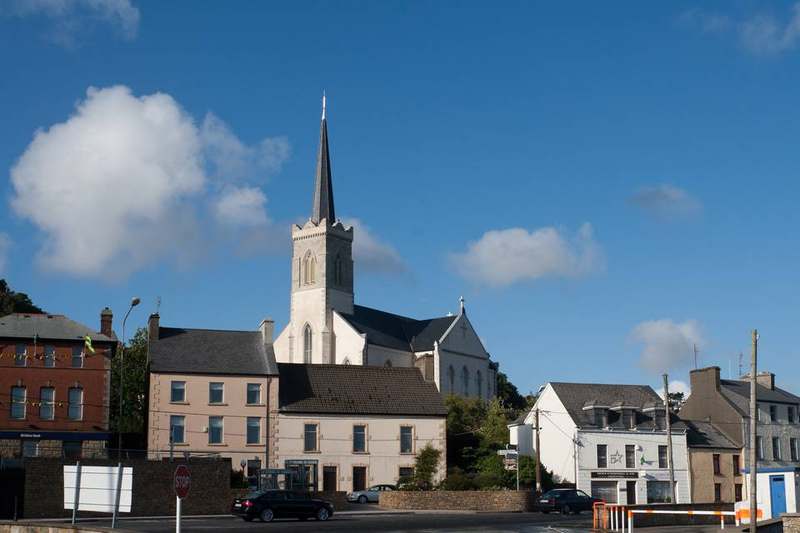
Listings that spell out Killybegs, Ireland mean the same Donegal berth as a plain Killybegs call, framed for itineraries that stress the Republic rather than the harbour name alone. Expect a working pier, a flat village walk, and Slieve League only with booked road time. Ireland in the listing name still means Donegal Bay — not a capital day trip.
Kirkwall
Cathedral in town, stones in the west — pick one circuit
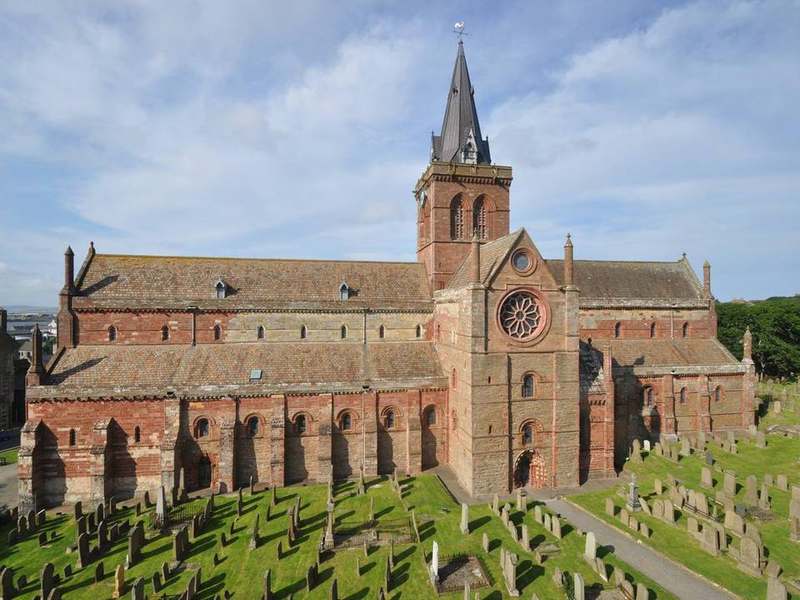
Most ships berth at Hatston Pier a few kilometres from town and take the complimentary shuttle into Kirkwall. St Magnus Cathedral sits in the centre. Skara Brae, the Ring of Brodgar and the Stones of Stenness sit in the west Mainland and need a coach circuit. Pick cathedral town or Neolithic west — not a hurried half of both. Trying to do every stone circle before the shuttle usually means a late scramble.
Lerwick
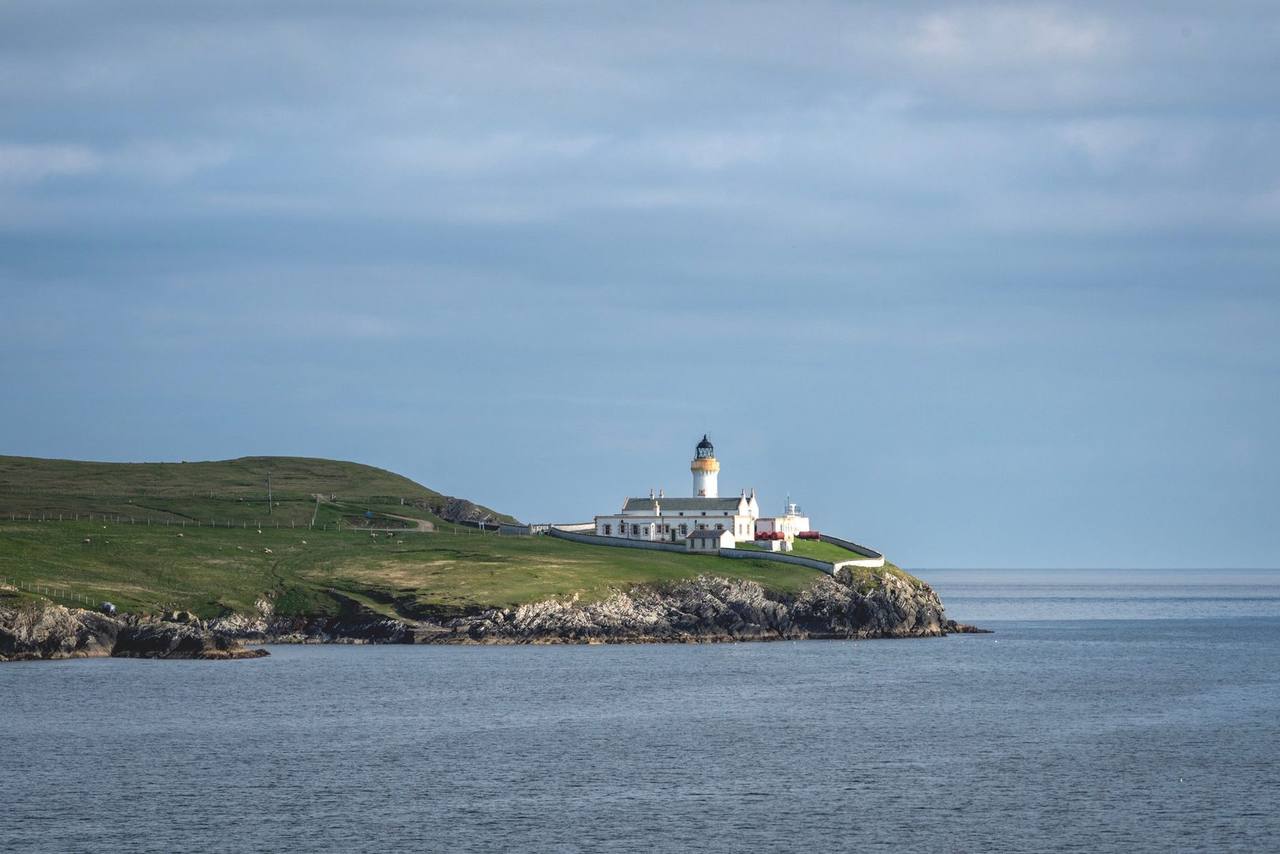
Shetland lanes, broch, then the south road
Most ships berth at Holmsgarth north of the centre and shuttle or taxi into Lerwick. Commercial Street, Fort Charlotte and Clickimin Broch sit close. Jarlshof and Sumburgh Head need a south Mainland road day. Commercial Street fills a short call. Trying to do town, Scalloway and Jarlshof before all-aboard usually means a rushed drive in changeable weather.
Liverpool
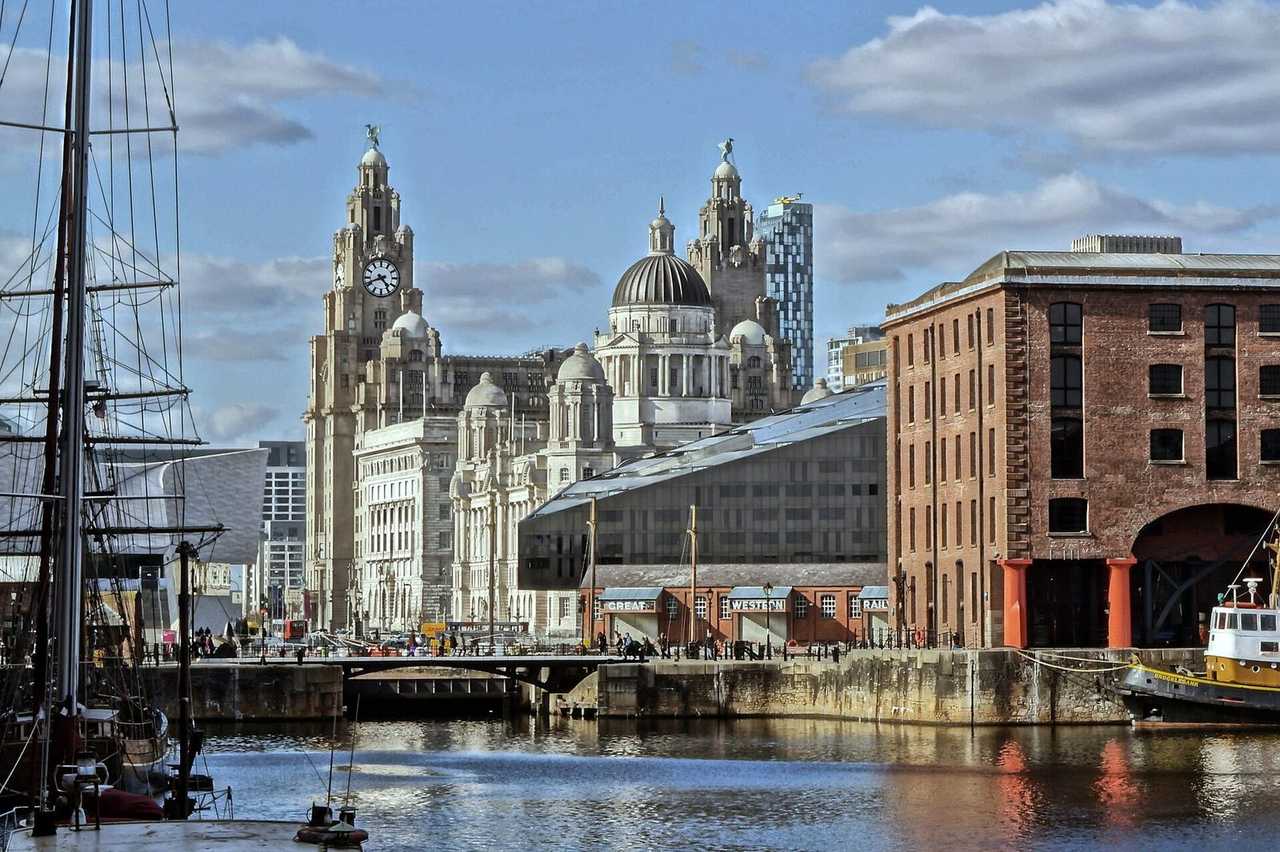
Pier Head gangway, docks and one music stop
The cruise terminal sits on the Pier Head beside the Royal Liver Building and the Museum of Liverpool. Albert Dock, a focused Beatles stop and the Anglican cathedral are realistic on foot or by short hop. Manchester is a different city day. Trying to see every dock museum and every music shrine before all-aboard usually means a rushed waterfront scramble.
London Tilbury
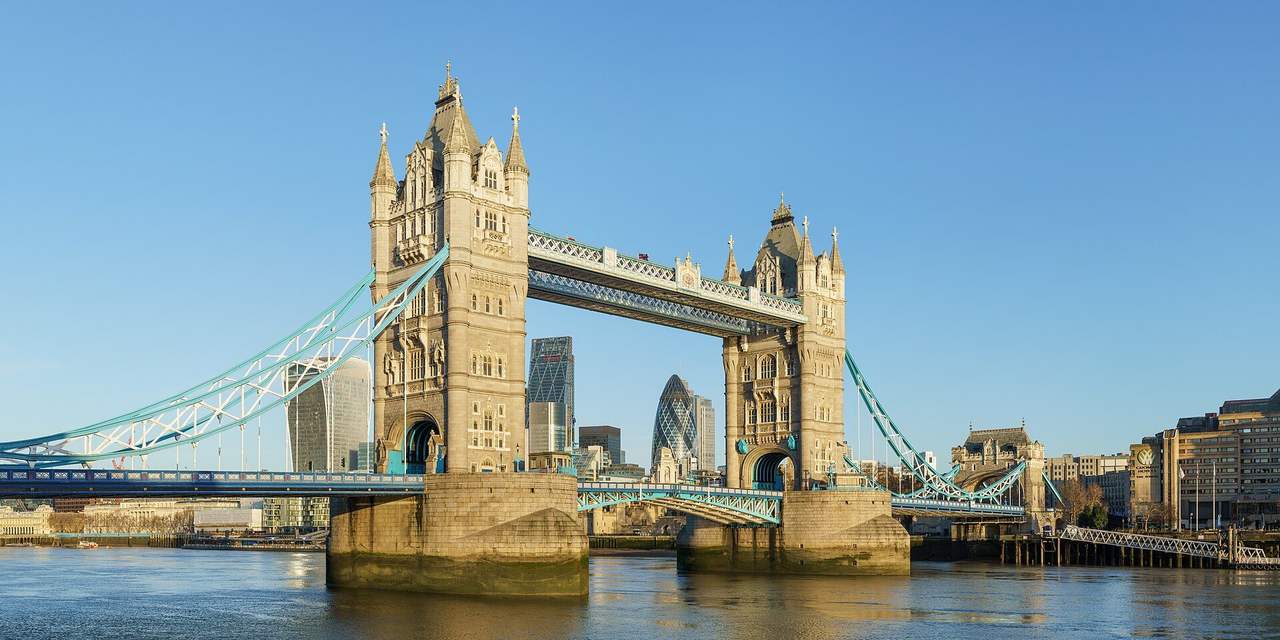
Tilbury Fort and Thames embark — stay estuary
London International Cruise Terminal sits at Tilbury on the Essex bank of the Thames. This guide is the local embark story: Tilbury Fort, the riverfront and the practical terminal area. Central London remains an optional rail commitment covered more fully under the London port reading — here the honest default is the fort and the estuary. Tilbury Fort’s bastions and the Thames embark quays are the product on the Essex bank; central London is an optional rail overtime, not the automatic plan from this pier.
Newcastle
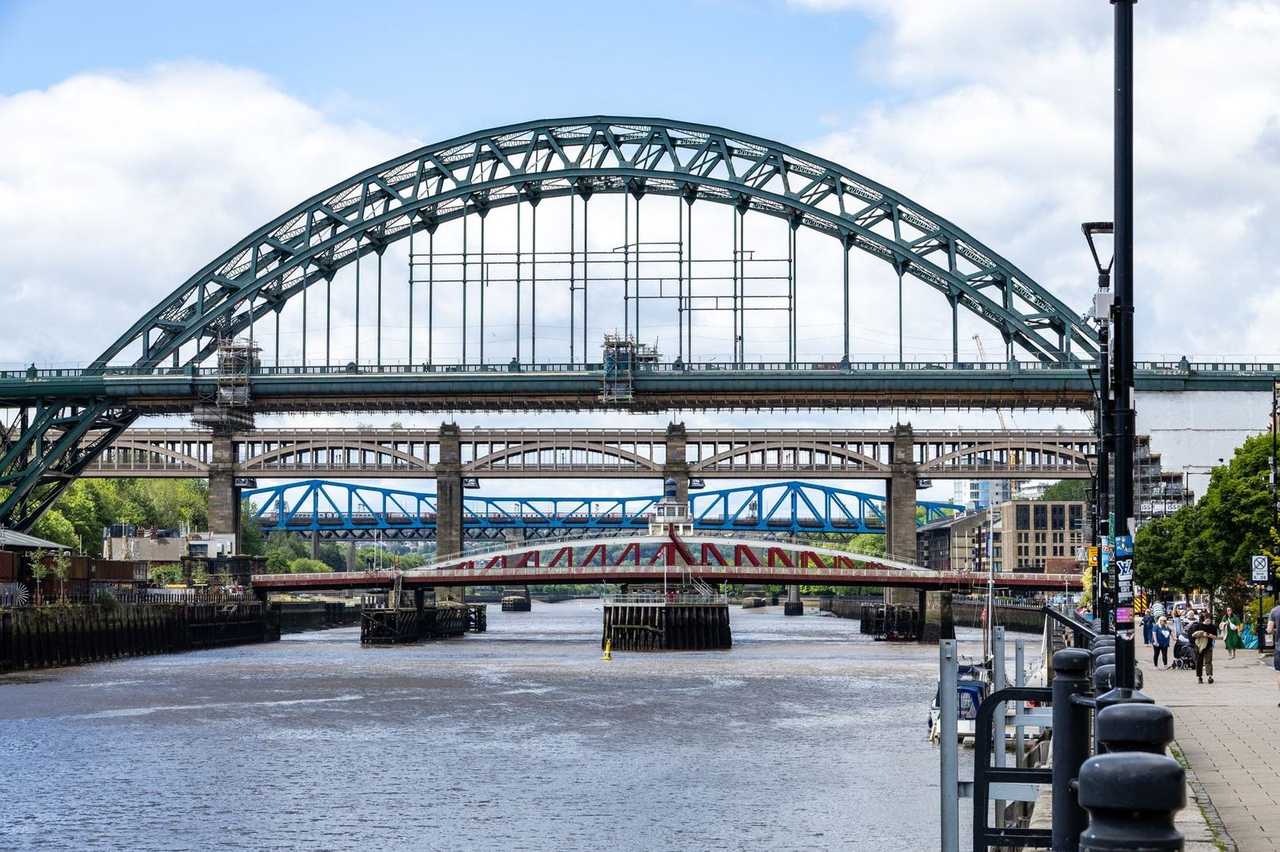
Tyne quays, bridge spans and a walkable centre
Cruise callers use Tyne quays with Newcastle city centre and the Quayside a short hop from the berth. Bridges, Castle Keep and Grainger Town streets are the honest day. Durham or Hadrian’s Wall need a longer clock and eat the riverfront you came for.
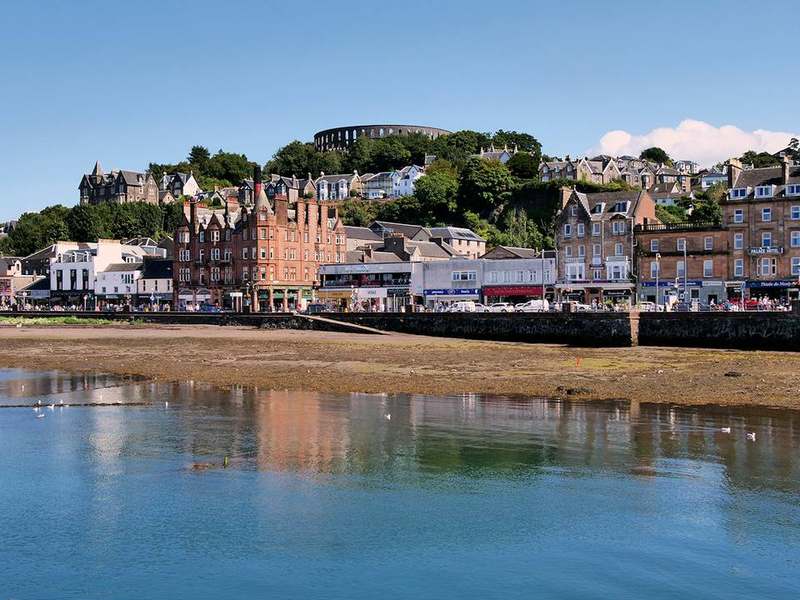
Oban
Harbour front and McCaig’s Tower — whisky as either/or
Ships use Oban’s bay with the harbour and town centre a short walk from most berths. McCaig’s Tower viewpoint, ferry light and a waterfront lunch fill a normal day. Mull and Iona need ferry timing that eats the bay walk you came for.
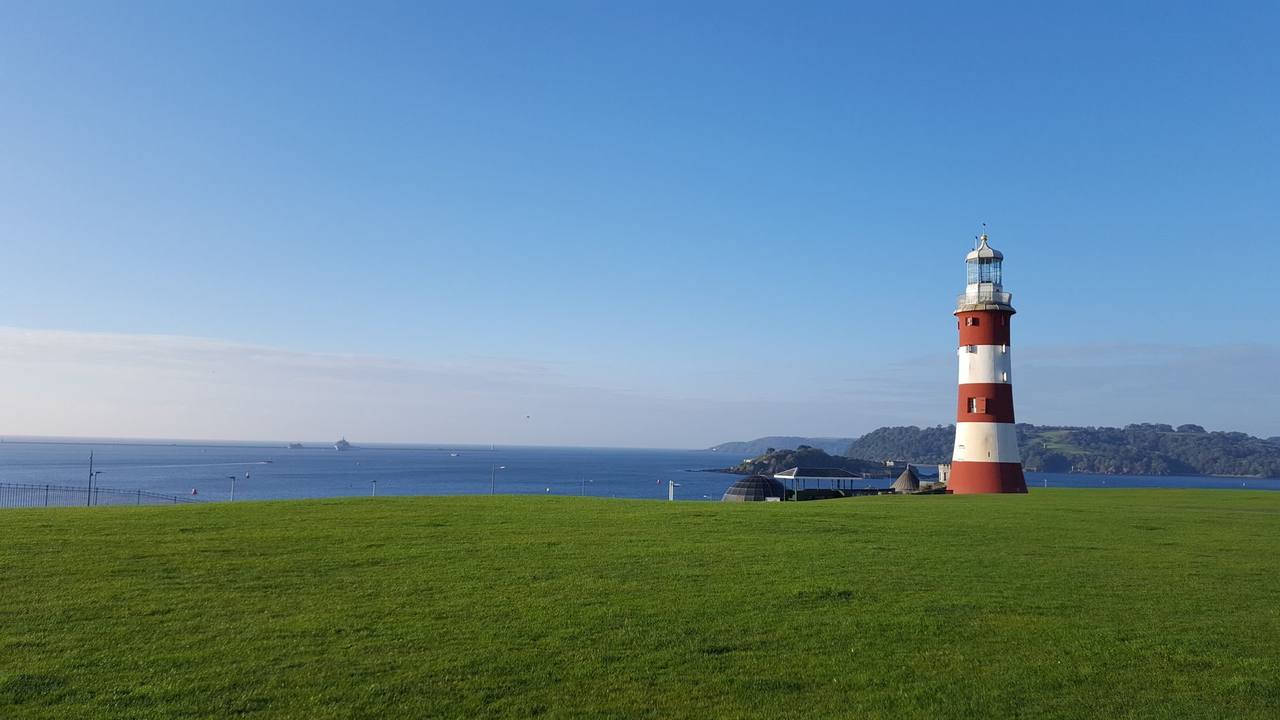
Plymouth
Hoe grass, Barbican stone, Sound light
Ships use Plymouth’s waterfront with the Hoe and Barbican within reach on foot or by short hop. The Mayflower story, the citadel edge and the view across Plymouth Sound fill a calm day. Dockyard visits need separate planning and gate rules — not a casual add-on after lunch.
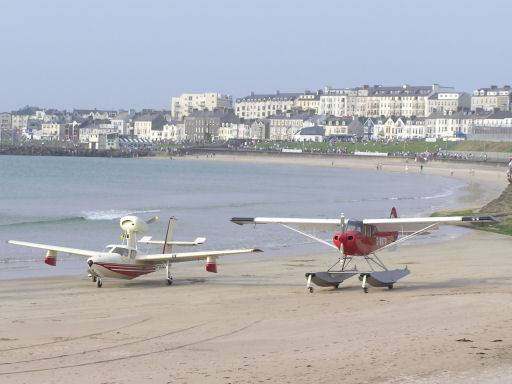
Portrush
Causeway Coast base — cliffs or distillery, not everything
Portrush is a classic County Antrim seaside town and the practical cruise gateway to the Giant’s Causeway and Dunluce Castle. Ships bring Atlantic weather, harbour walks and an honest either/or: World Heritage basalt coast, or town strands if weather closes the cliffs. Waterproof layers matter.
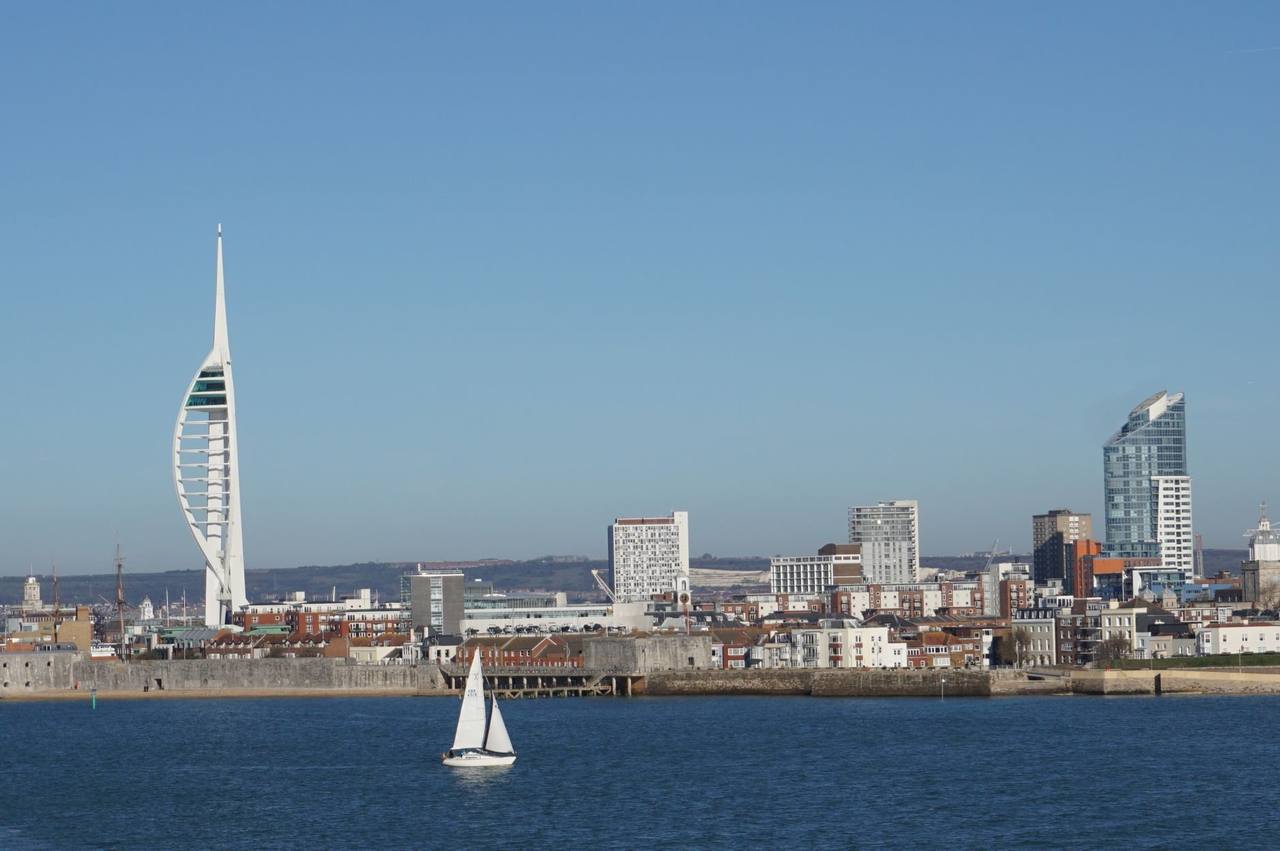
Portsmouth
Victory, Mary Rose, Solent light — dockyard first
Ships use Portsmouth’s commercial and naval harbour on the Solent. The honest day call is the Historic Dockyard — Victory, Mary Rose and the harbour museum quarter — with Gunwharf and Old Portsmouth within walking range. Leave the Isle of Wight and Winchester for itineraries that give you the hours.
Scrabster
Caithness ferry harbour — Thurso and one headland
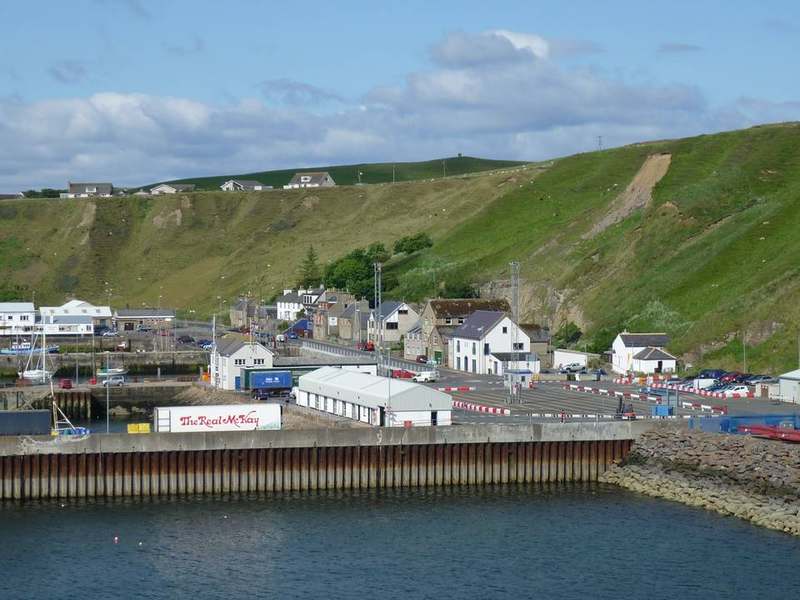
Scrabster is the working ferry and cruise harbour for Thurso on Scotland’s far north coast — Orkney sailings, Caithness wind and cliff country rather than Edinburgh’s Royal Mile at the pier. A day call fits Thurso town and one headland. Orkney is a ferry day of its own, not a casual add-on.
Southampton
Britain’s main no-fly cruise port
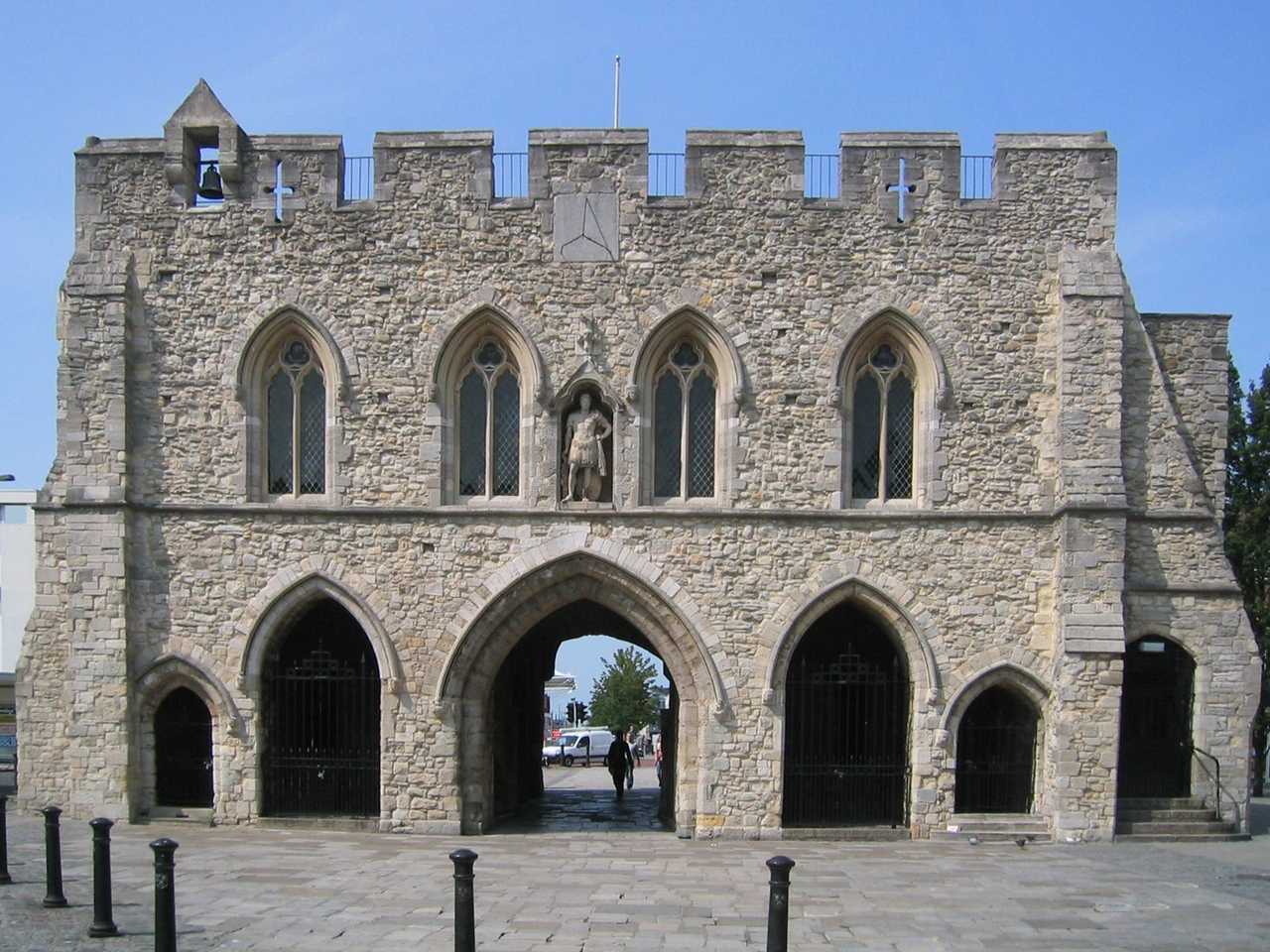
Most UK no-fly cruises begin or end in Southampton. Ocean Terminal and City Cruise Terminal are closest to the old town. QEII Terminal is further west and needs more transfer time. If you have an hour before check-in, walk the medieval walls from Bargate. Leave the New Forest for a day when you are not also boarding a ship.
Stornoway
Callanish stones or Harris beaches from Stornoway
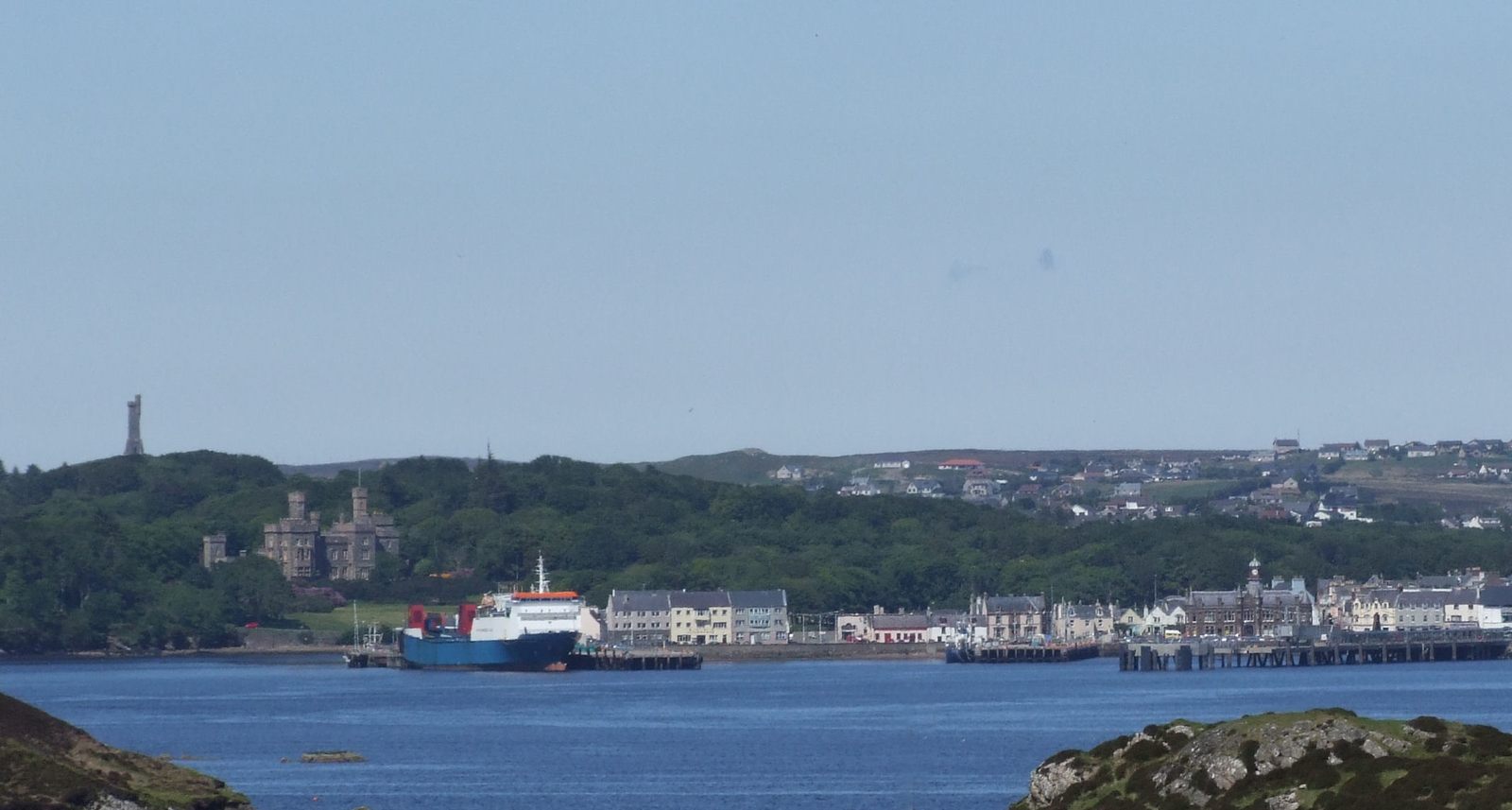
The same Stornoway berth opens Lewis and Harris as a wider island day. Callanish stone circle to the west and the Atlantic beaches of Harris to the south are the signature outings. Treat Stornoway town as the landing, then choose stones or beaches — not both plus every croft museum on the map. This framing is the island day from Stornoway: Callanish standing stones under wide Lewis sky west, or Harris sand south — not a second lap of harbour shops.
Tresco
Scilly subtropical gardens and car-free sand
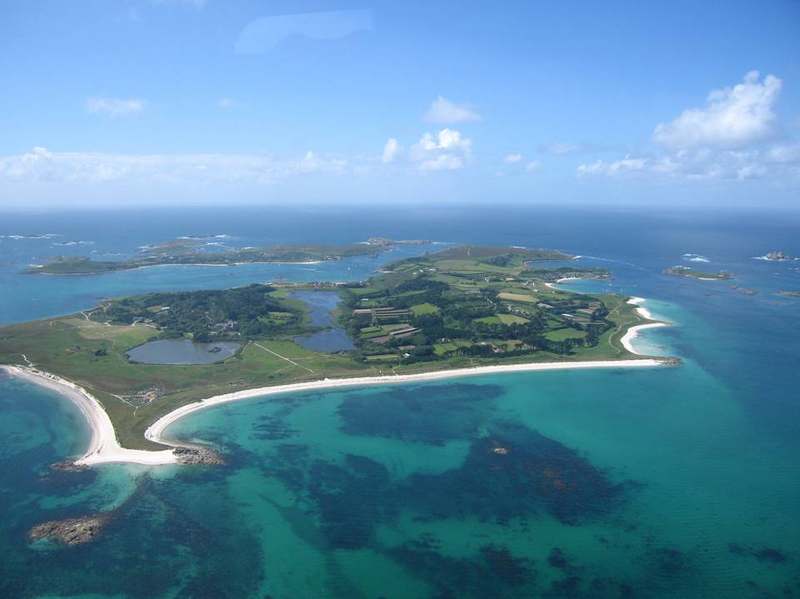
Tresco is the garden island of England's Isles of Scilly — Abbey Gardens packed with plants that should not thrive at this latitude, white-sand bays, and almost no cars. Cruise guests usually reach it by tender or local boat within the archipelago, weather permitting. The day is gardens plus one beach walk, not a rushed tick of every Scilly isle on the chart.
Ullapool
Assynt rock, Inverewe planting, or the pier
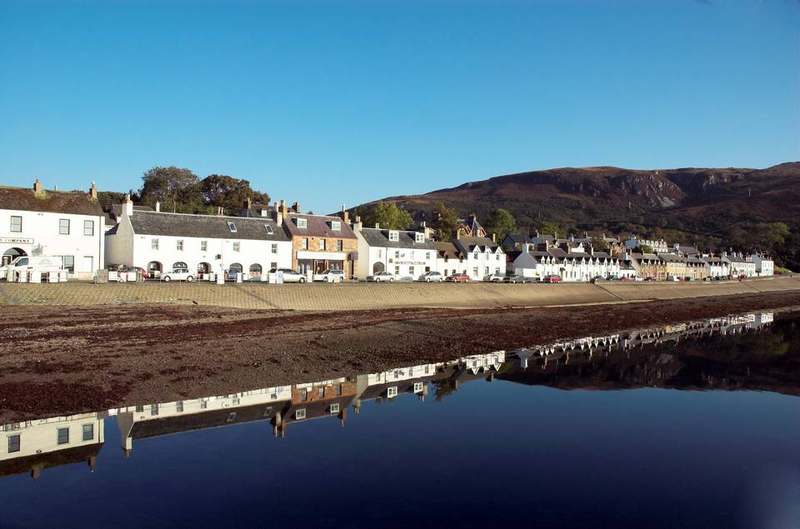
Ullapool faces Loch Broom as the mainland pier for Stornoway and the road into Assynt. Ships use the harbour pier or a short tender. One Assynt loop, Inverewe Garden when the coach fits, or ferry theatre from the shore — not Corrieshalloch stacked with every Wester Ross lay-by. Loch Broom’s shore and the Assynt hills beyond frame the ferry pier; treat that gateway as one outing, not a licence to chase every Wester Ross lay-by before all-aboard.
Waterford
Viking Triangle from the Suir quay
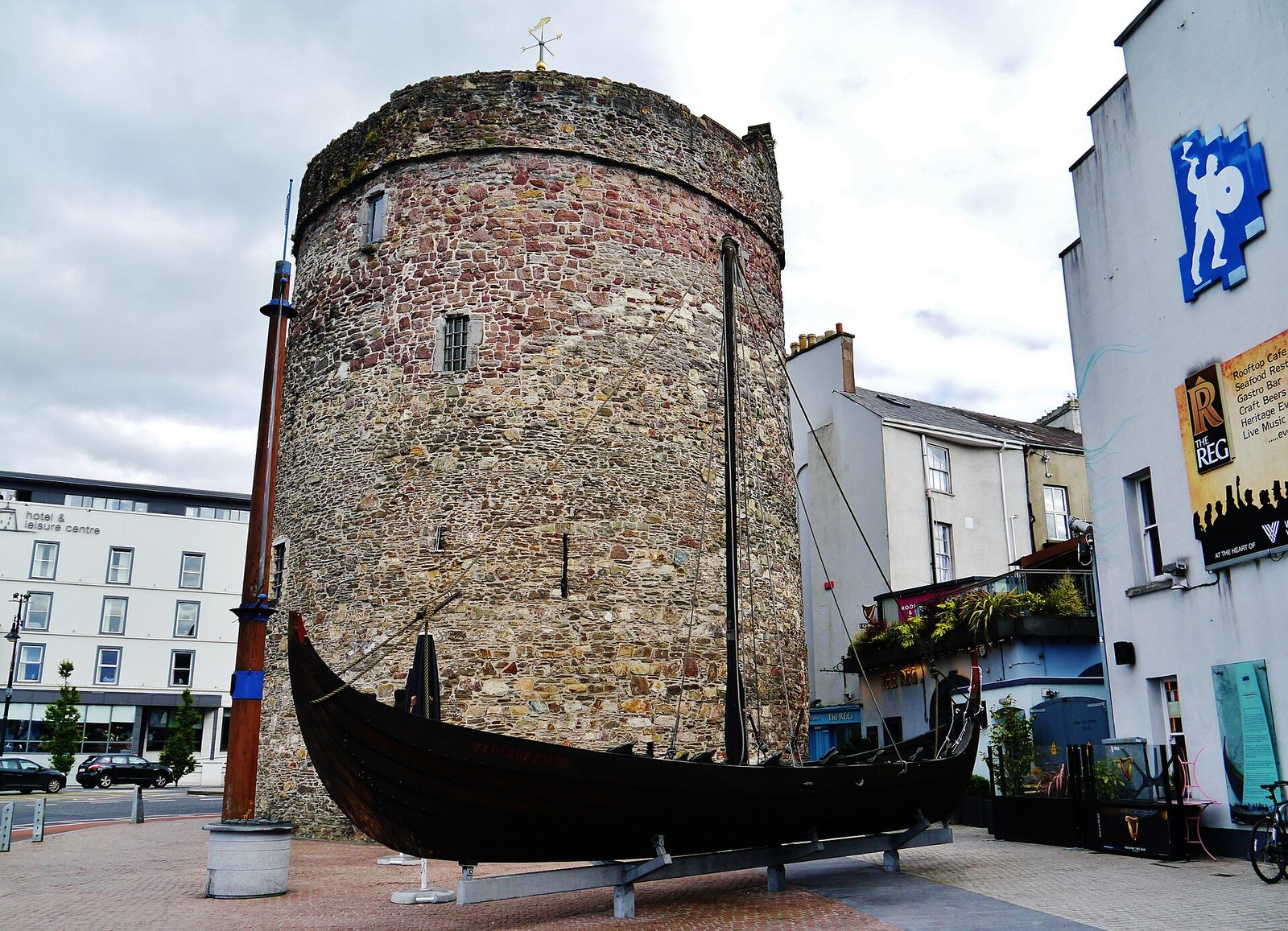
Ships use Waterford’s river berths on the Suir. The Viking Triangle — Reginald’s Tower, the medieval museums and the compact old streets — sits a short walk from the quay. That historic core is the day, not a county-wide driving circuit. River quay to the Viking Triangle keeps Reginald’s Tower and the compact old streets as the day — not a county-wide driving circuit from the Suir.